
Frank Hurley
James Francis "Frank" Hurley (1885–1962) was an Australian photographer and filmmaker. He served as the official cinematographer on multiple polar expeditions, capturing raw footage that resulted in early documentary films such as Home of the Blizzard (1913) and South (1919). Hurley also worked as an official military photographer and cinematographer during both WWI and WWII, documenting campaigns across Europe, the Middle East, and North Africa. His broader filmography includes directing ethnographic documentaries and serving as a principal cinematographer on Australian narrative feature films.
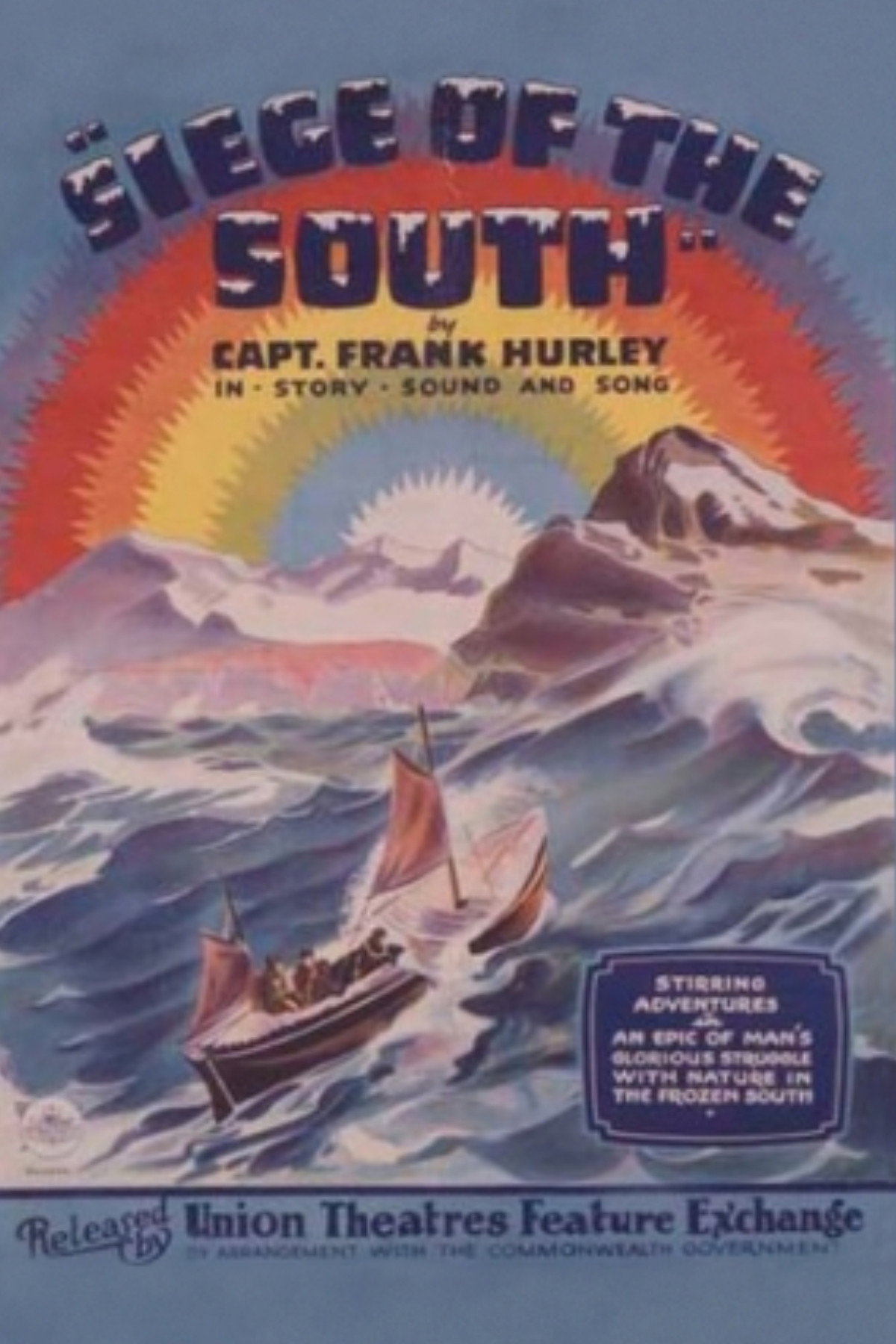
Siege of the South
(Self - Narrator, Photographer & Cinematographer)

Antarctic Pioneers
(Self - Narrator/Interviewee)

Treasures of Katoomba
(Self - Narrator (voice))
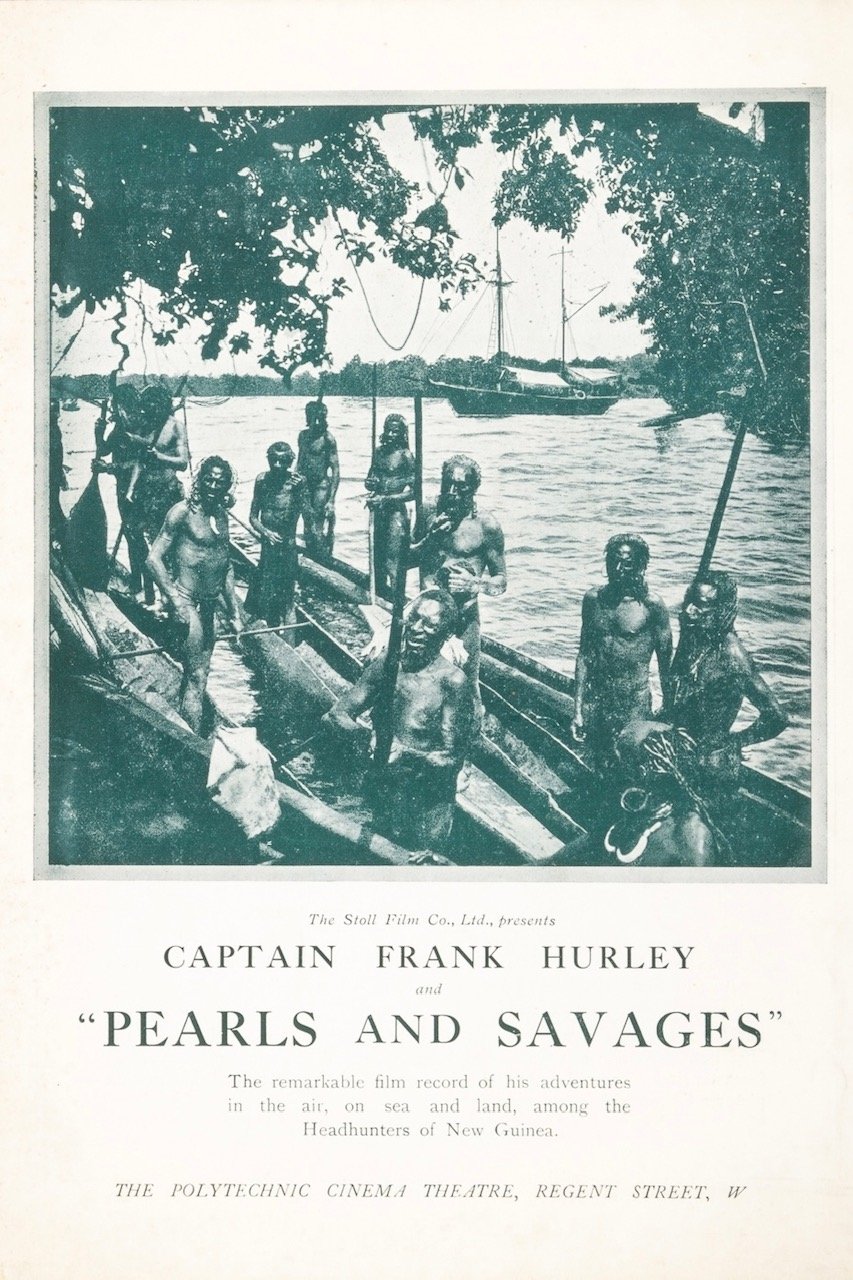
Pearls and Savages
(Self)
Endurance
(Self (archive footage))
Jewel of the Pacific
(Self - Narrator)
Isle of Many Waters
(Self - Narrator (voice))
Here is Paradise
(Director)
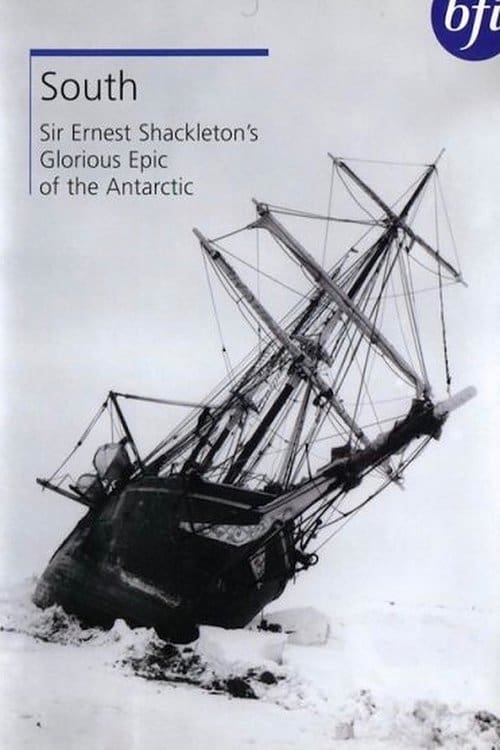
South
(Director of Photography)
South
(Director)
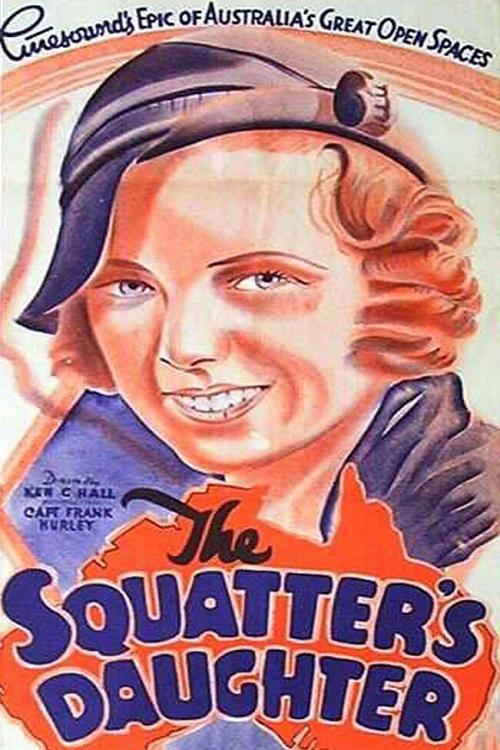
The Squatter's Daughter
(Director of Photography)
Jungle Woman
(Writer)
Jungle Woman
(Producer)
Jungle Woman
(Cinematography)
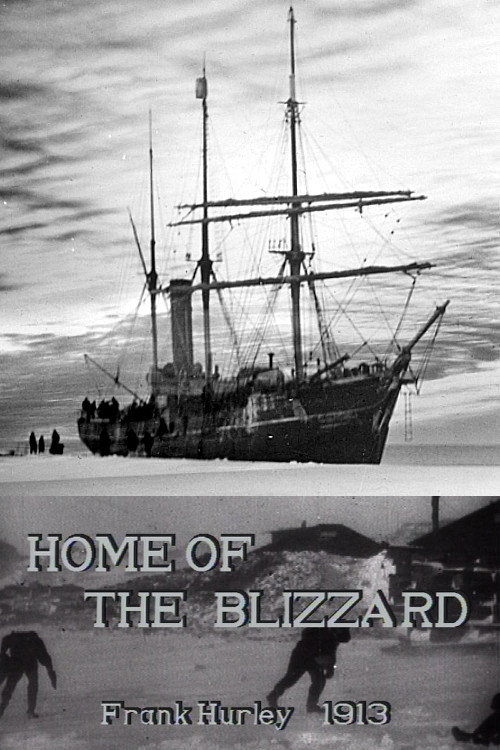
Home of the Blizzard
(Director)
Pearls and Savages
(Director)
Sagebrush and Silver
(Director)
Jungle Woman
(Director)
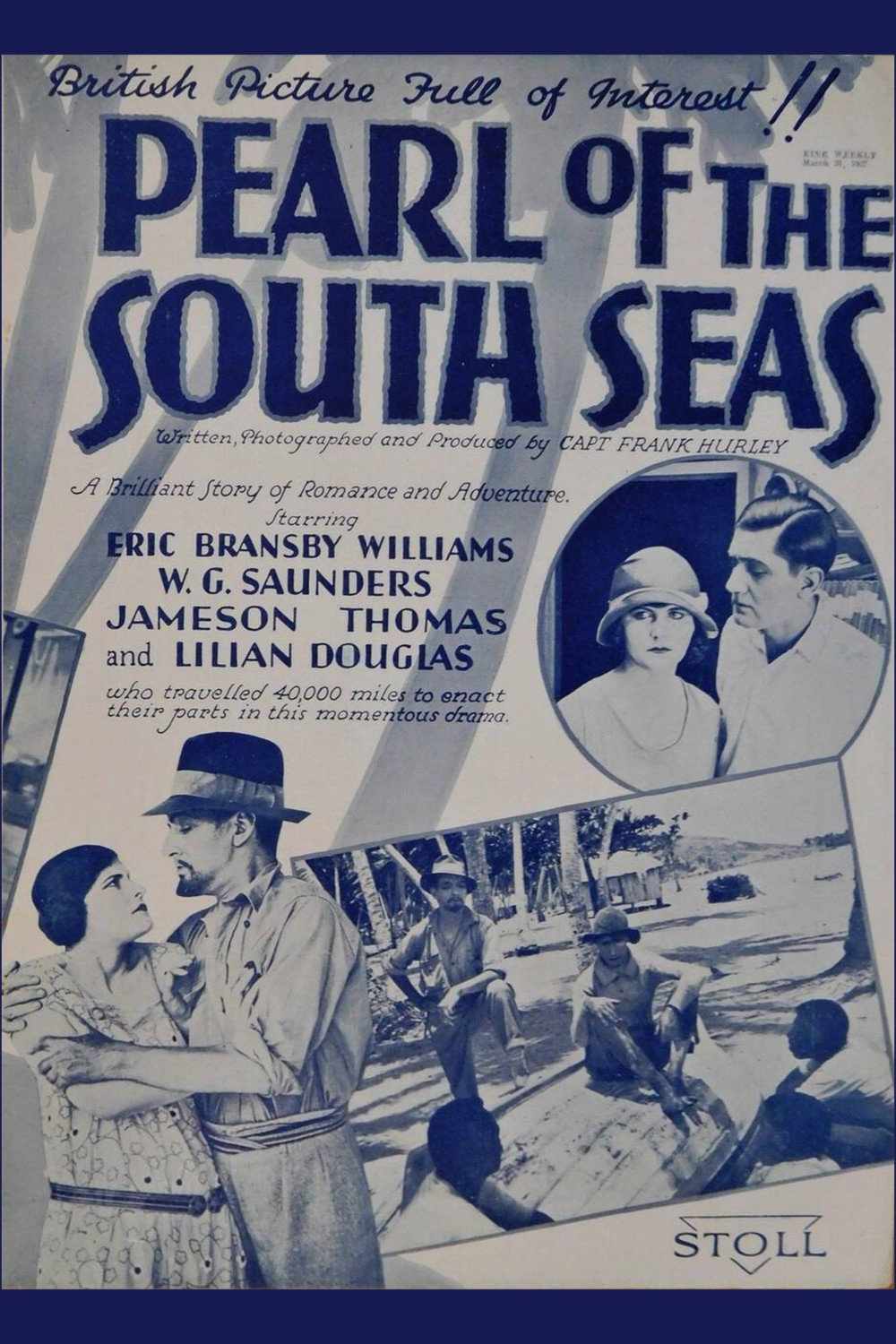
The Hound of the Deep
(Director)
A Nation is Built
(Director)
Siege of the South
(Director)
Home of the Blizzard
(Producer)
Home of the Blizzard
(Cinematography)

The Silence of Dean Maitland
(Director of Photography)
Treasures of Katoomba
(Director)
Treasures of Katoomba
(Writer)
Treasures of Katoomba
(Director of Photography)
Treasures of Katoomba
(Sound)
Antarctic Pioneers
(Director)
Antarctic Pioneers
(Cinematography)
A Nation is Built
(Writer)
Australia at War 1914-1918
(Director of Photography)

Tall Timbers
(Story)
Strike Me Lucky
(Cinematography)

Follow the Sun
(Director)
Follow the Sun
(Cinematography)
Follow the Sun
(Writer)
With the Australian forces in Palestine
(Director)
With the Australian forces in Palestine
(Cinematography)
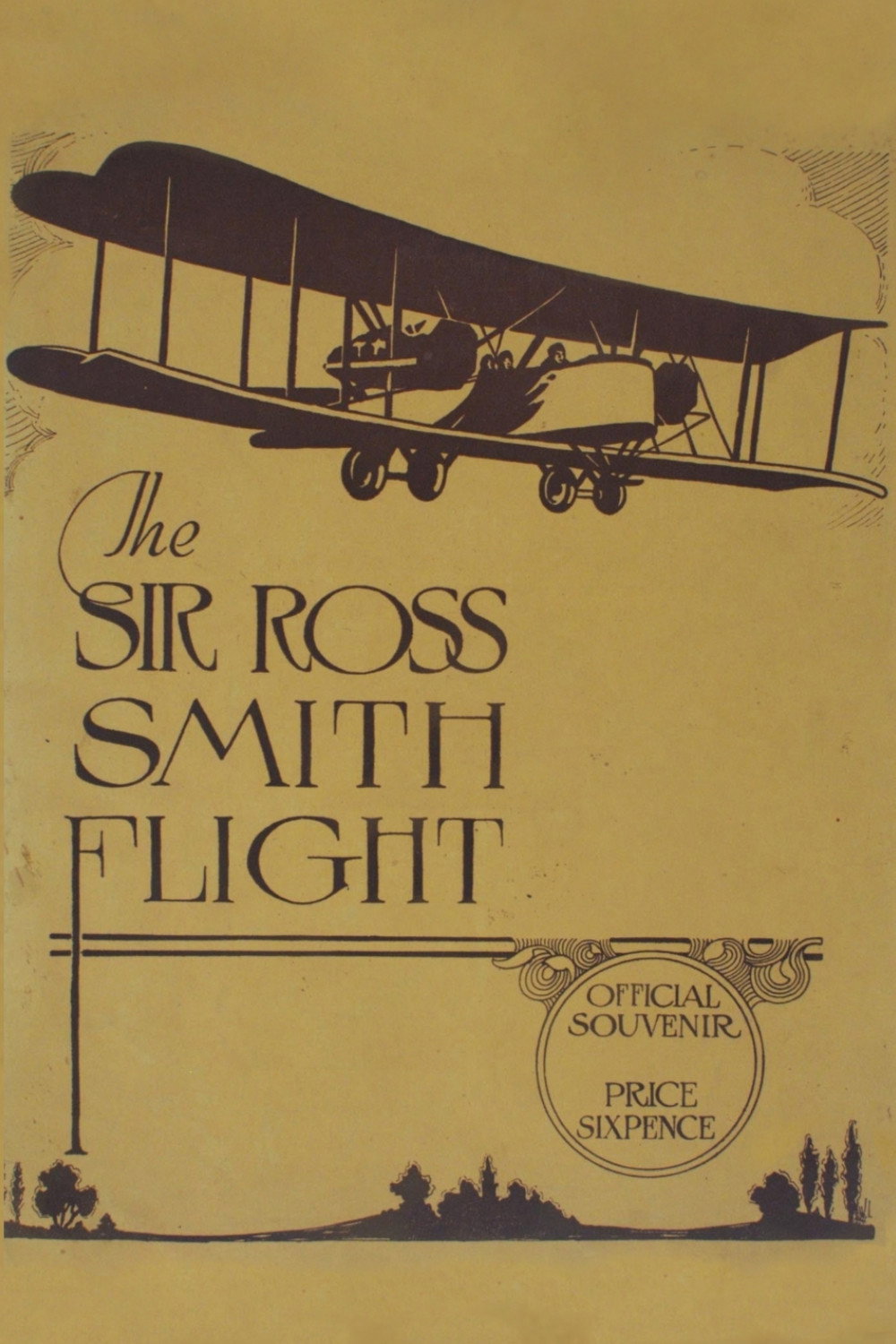
Ross Smith’s Flight from London to Australia
(Director)
Ross Smith’s Flight from London to Australia
(Cinematography)
Jewel of the Pacific
(Director)
Jewel of the Pacific
(Cinematography)
The Hound of the Deep
(Producer)
The Hound of the Deep
(Writer)
The Hound of the Deep
(Cinematography)
Isle of Many Waters
(Director)
Isle of Many Waters
(Cinematography)