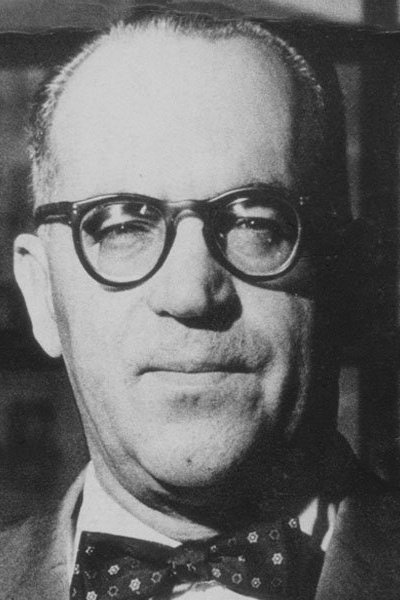
Guimarães Rosa
João Guimarães Rosa (27 June 1908 – 19 November 1967) was a Brazilian poet, diplomat, novelist, short story writer and doctor, considered by many to be the greatest Brazilian writer of the 20th century and one of the greatest of all time. Rosa only wrote one novel, Grande Sertão: Veredas (known in English as The Devil to Pay in the Backlands), a revolutionary text for its blend of archaic and colloquial prose and frequent use of neologisms, taking inspiration from the spoken language of the Brazilian backlands. For its profoundly philosophical themes, the critic Antonio Candido described the book as a "metaphysical novel". It is often considered to be the Brazilian equivalent of James Joyce's Ulysses. In a 2002, poll by the Bokklubben World Library, "Grande Sertão: Veredas" was named among the best 100 books of all time. Rosa also published four books of short stories in his lifetime, all of them revolving around the life in the sertão, but also addressing themes of universal literature and of existential nature. He died in 1967 — the year he was nominated for the Nobel Prize in Literature — due to a heart attack. (Wikipedia)
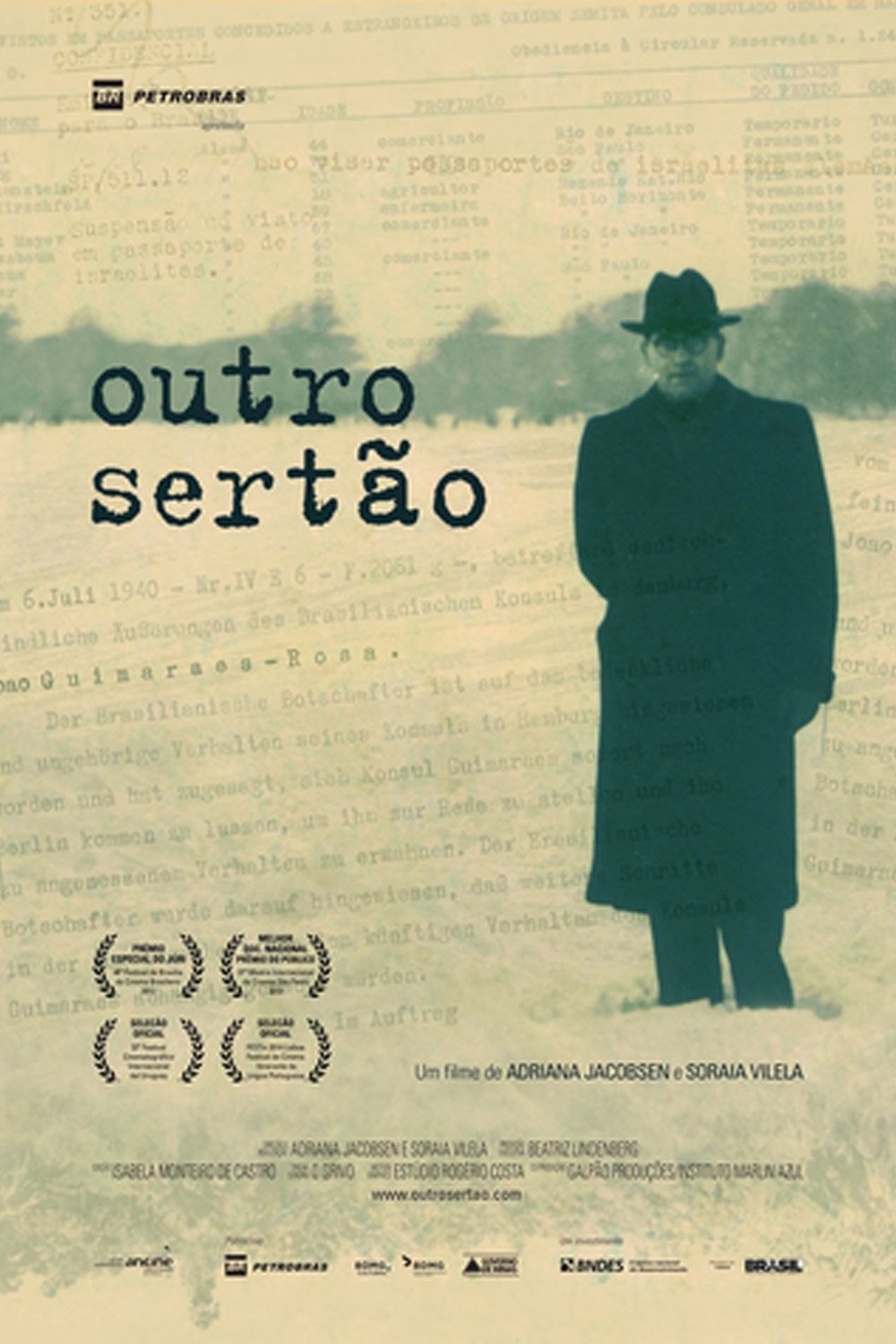
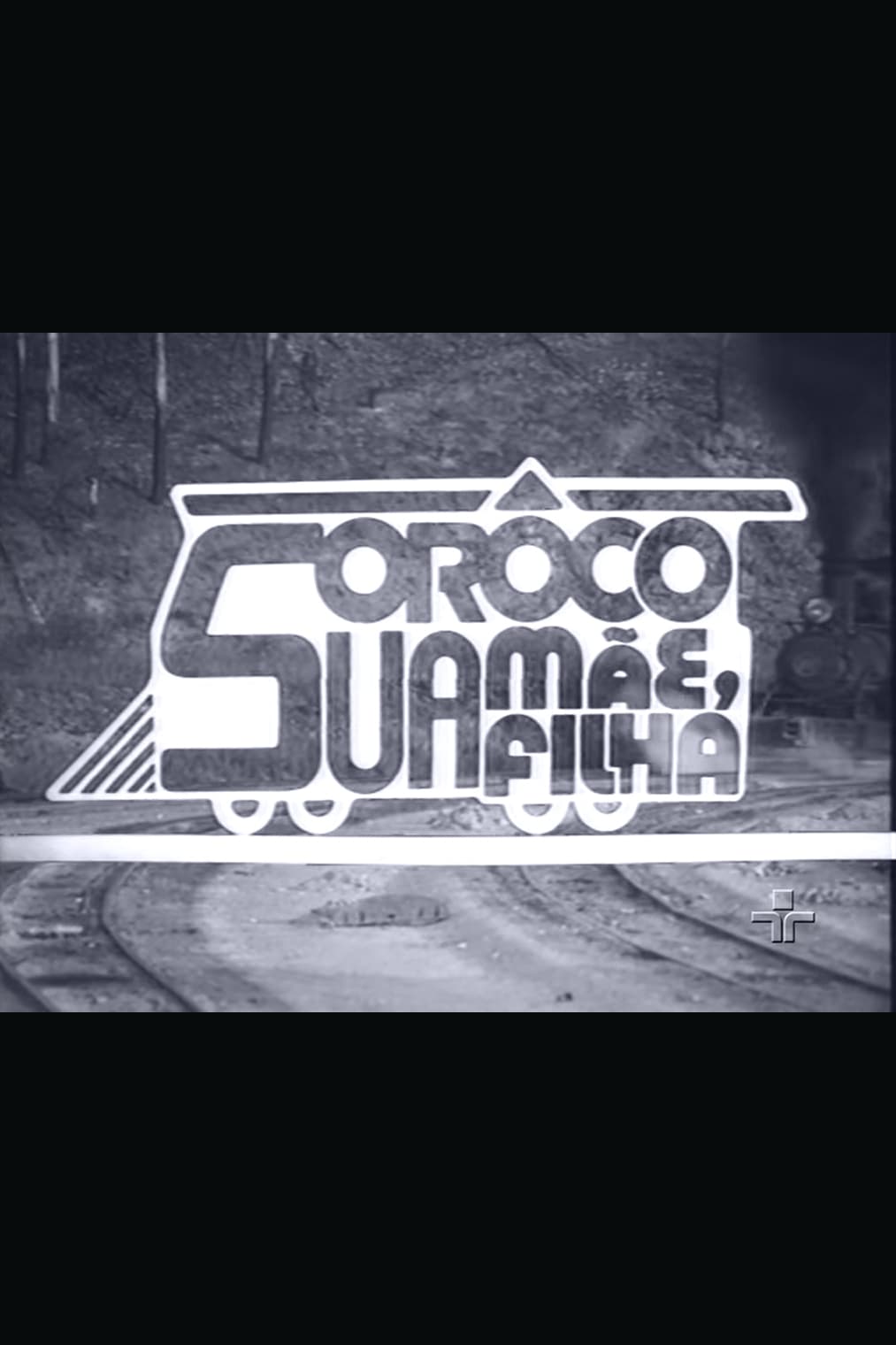
Sorôco, Sua Mãe, Sua Filha
(Original Story)
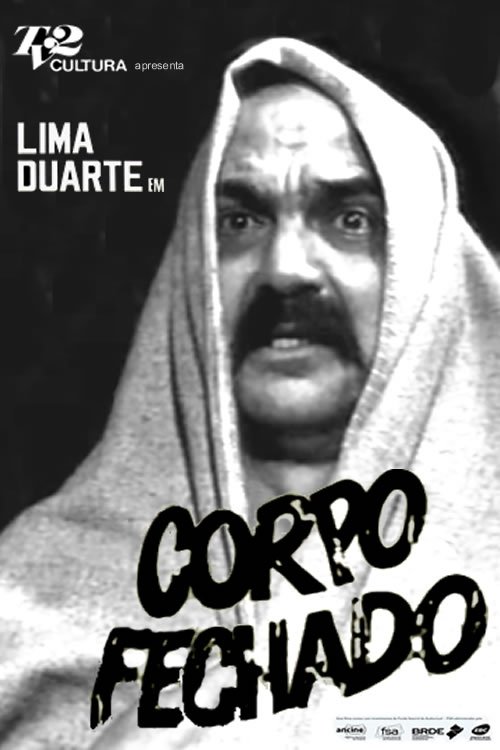
Corpo Fechado
(Original Story)
Sertão: Veredas
(Novel)

The Devil to Pay in the Backlands
(Original Story)
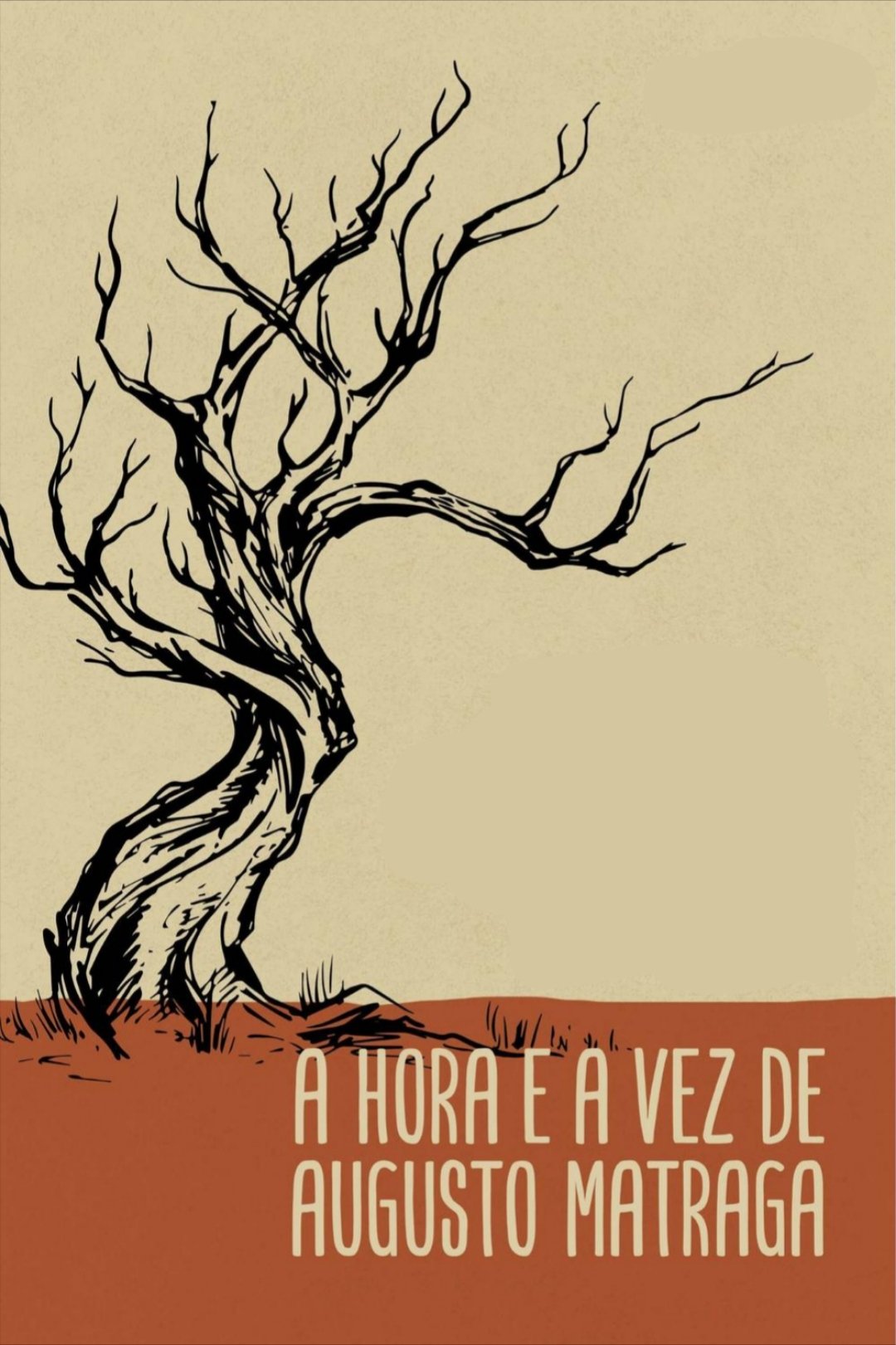
The Time and Turn of Augusto Matraga
(Original Story)
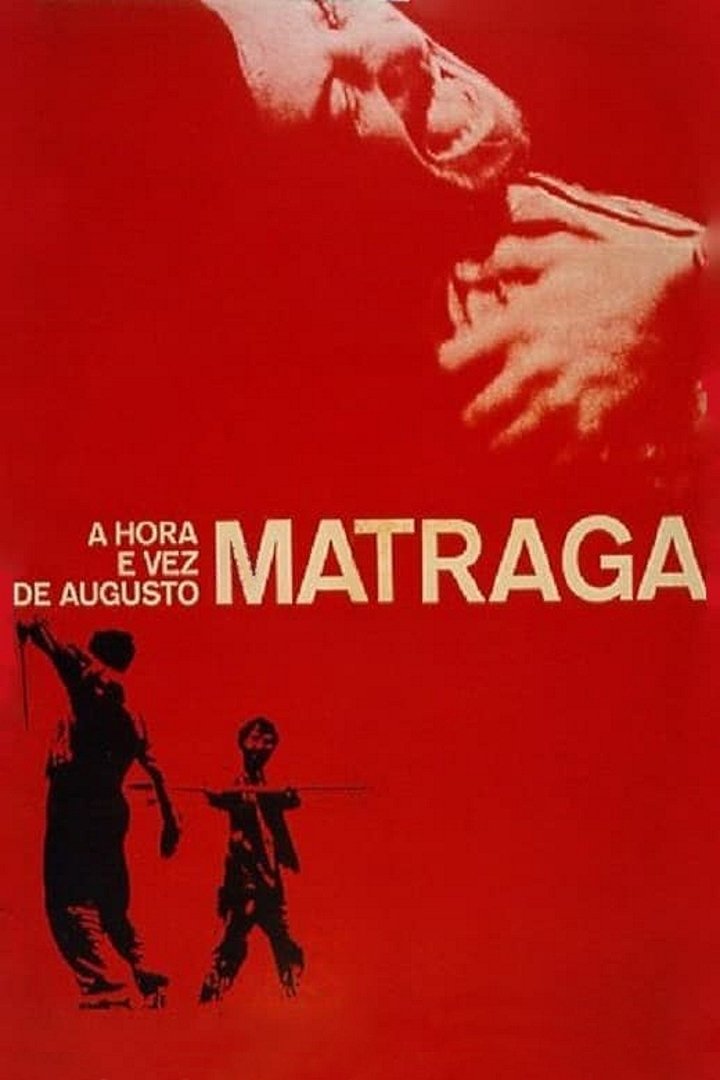
The Hour and Turn of Augusto Matraga
(Original Story)
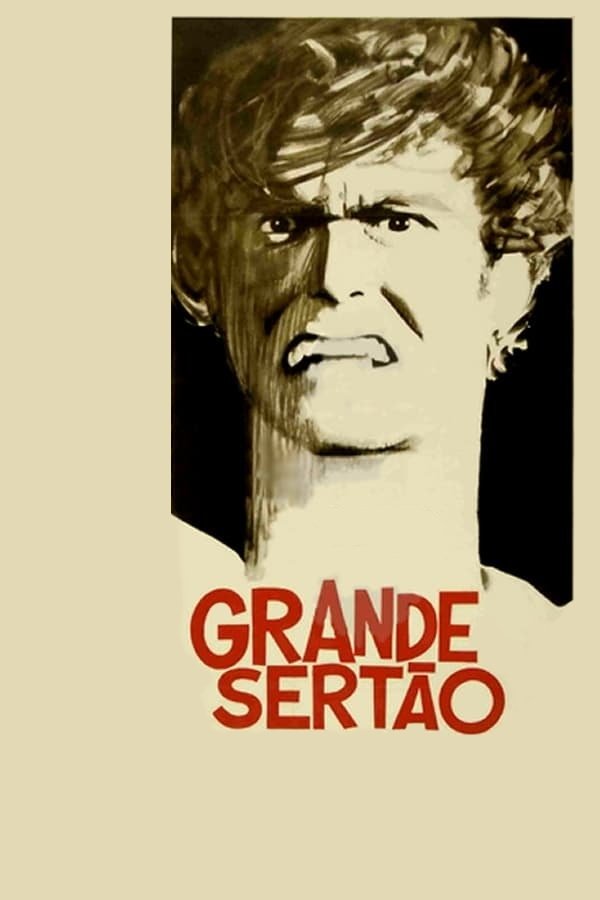
Grande Sertão
(Original Story)
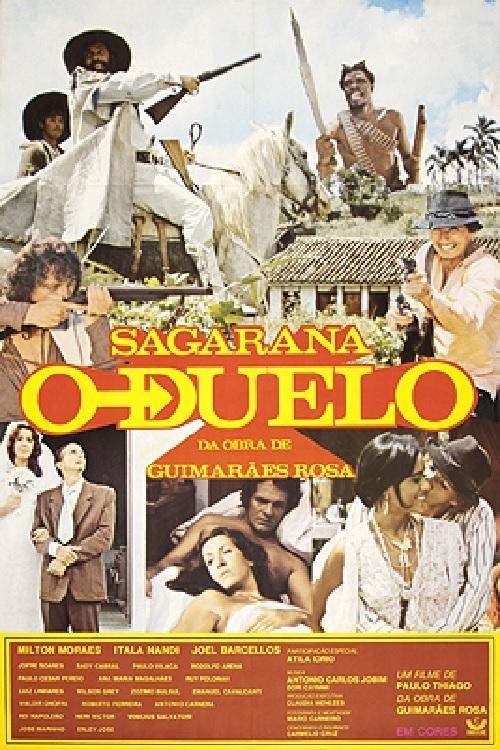
Sagarana: O Duelo
(Original Story)
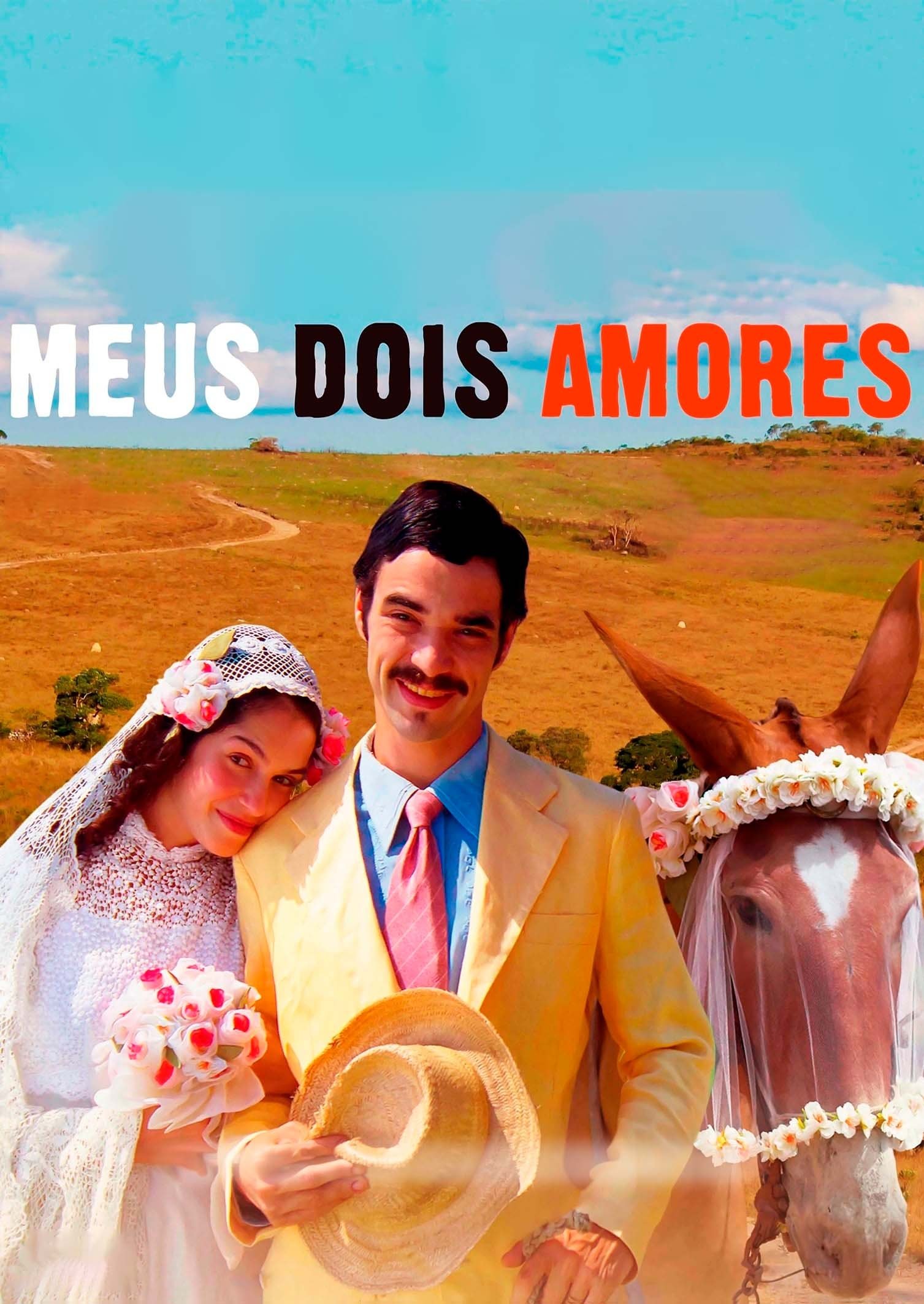
Meus Dois Amores
(Original Story)
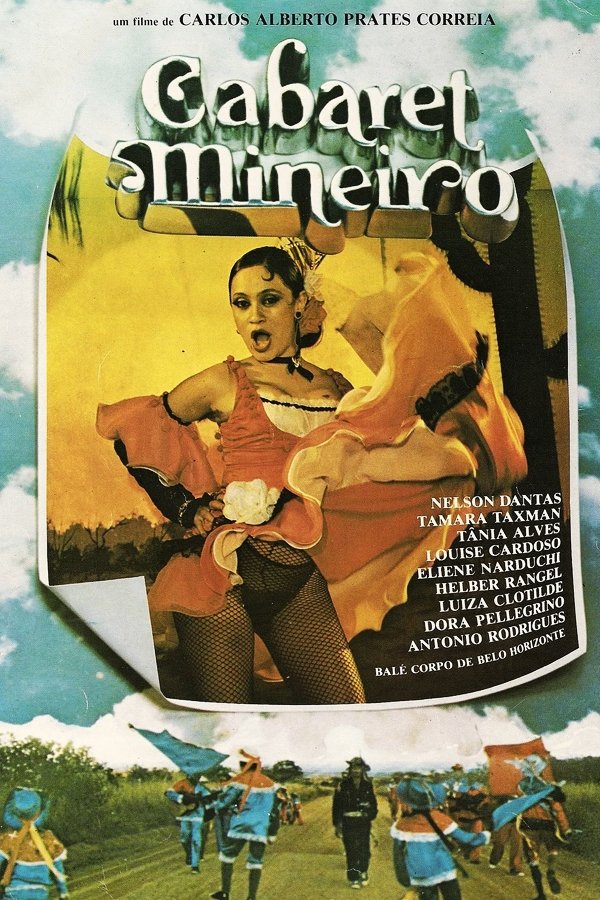
Cabaret Mineiro
(Original Story)
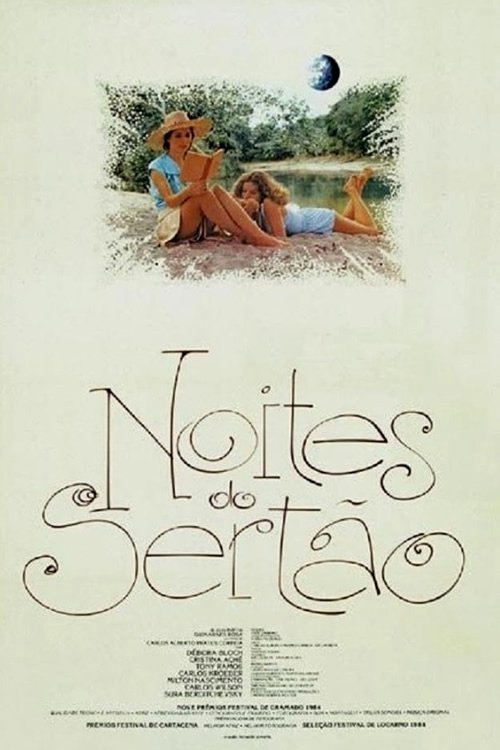
Noites do Sertão
(Original Story)
The Third Bank of the River
(Novel)
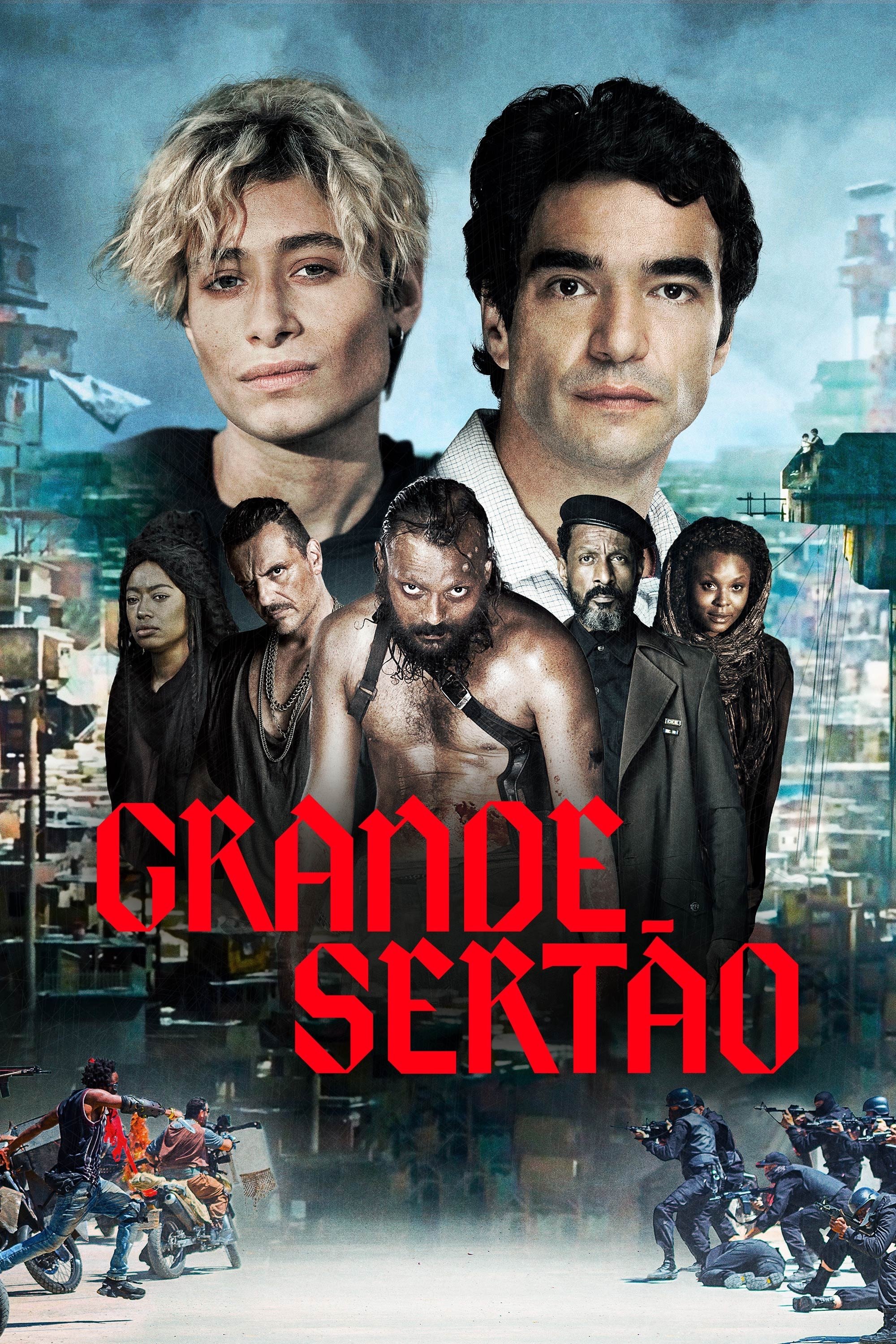
Great Sertão
(Novel)
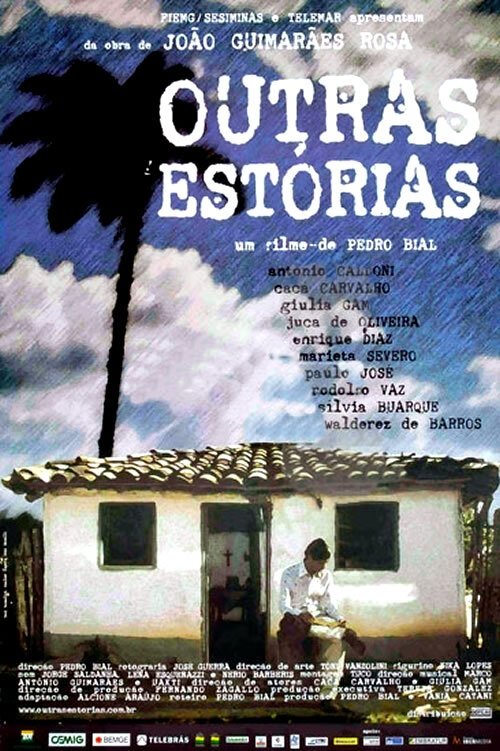
Outras Estórias
(Original Story)

Famigerado
(Original Story)
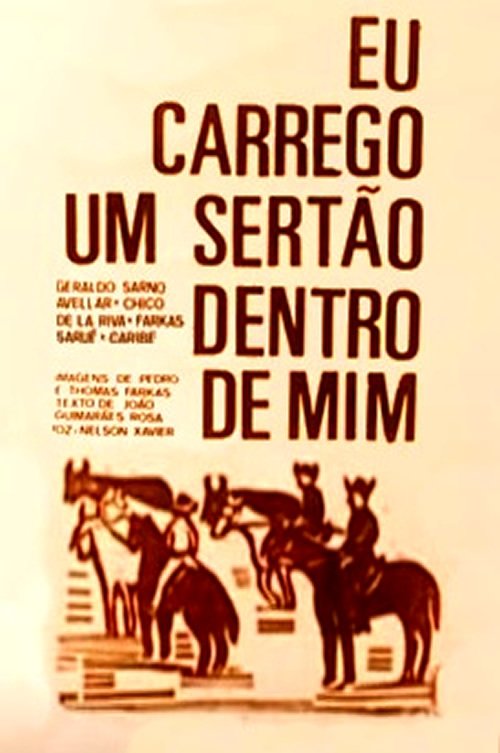
Eu Carrego um Sertão Dentro de Mim
(Original Story)
A João Guimarães Rosa
(Original Story)

Mutum
(Book)
Rio de Janeiro, Minas
(Original Story)
Desenredo
(Original Story)
Sagarana
(Writer)
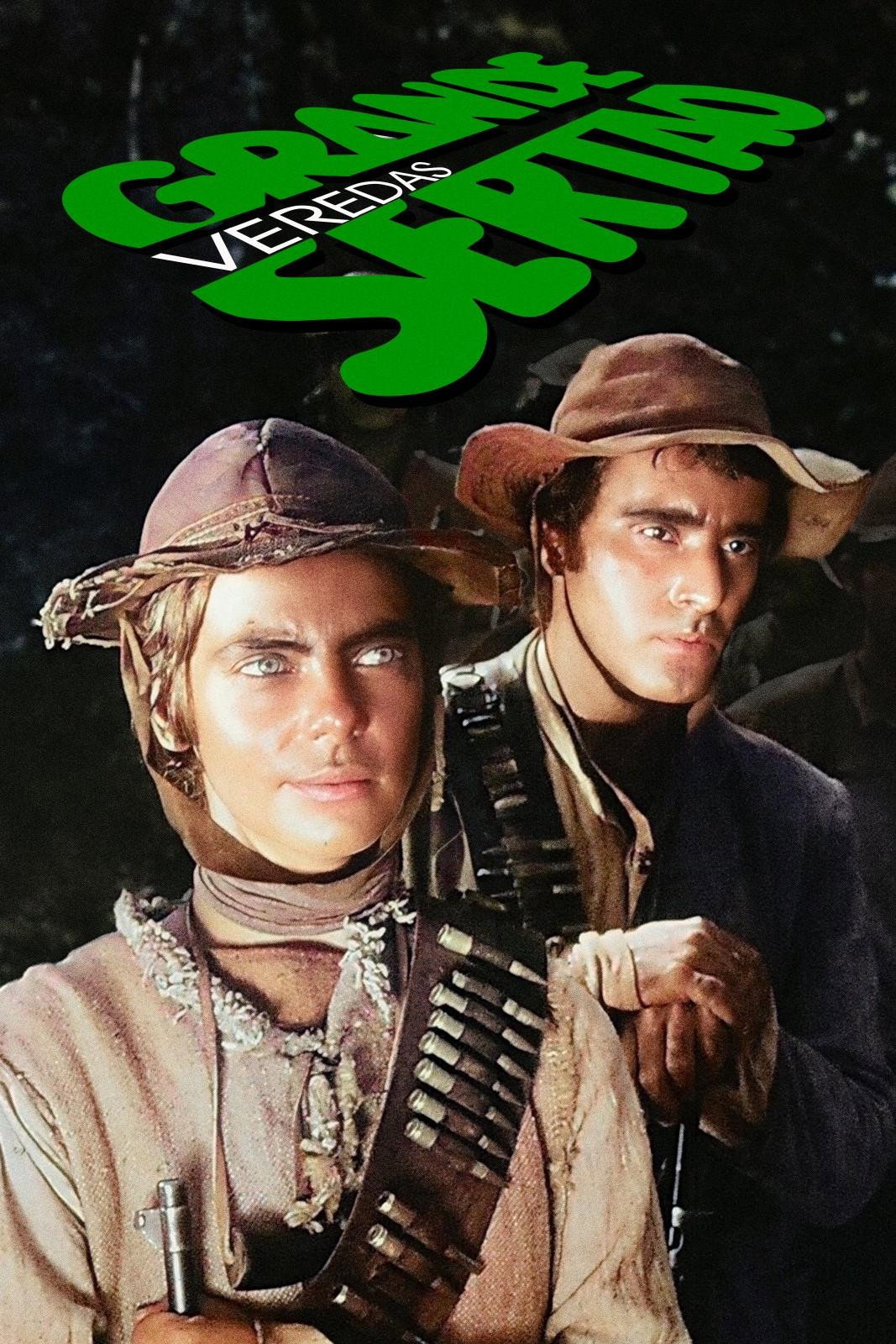
Grande Sertão: Veredas
(Novel)
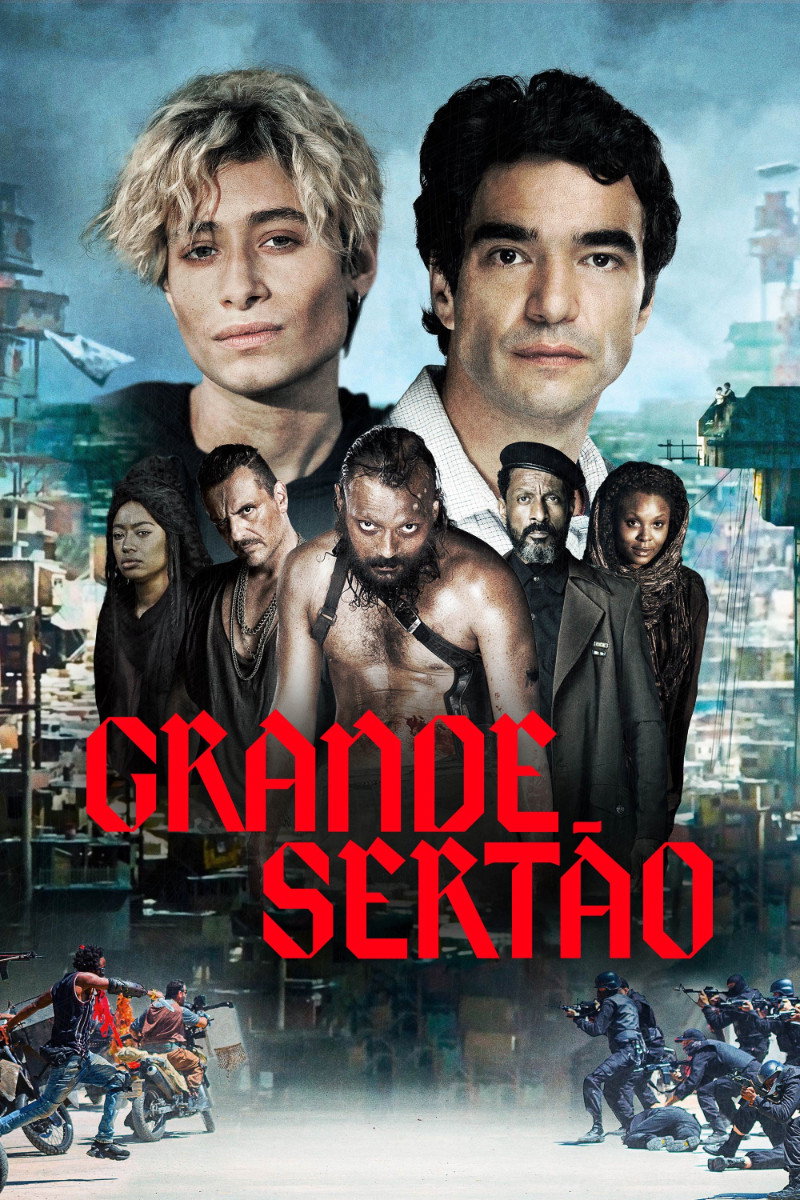
Grande Sertão
(Original Story)