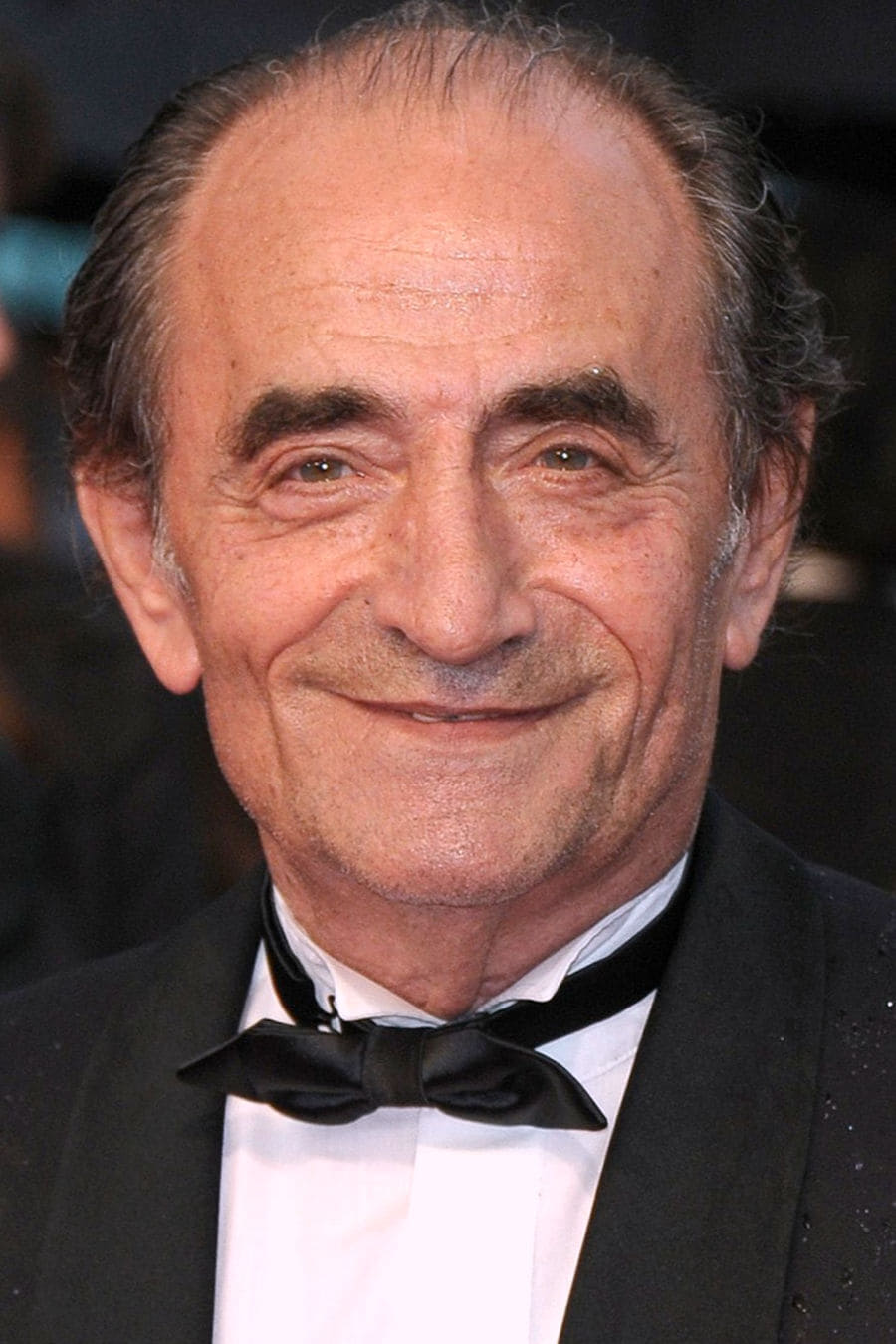
Richard Bohringer
Richard Bohringer is a French actor, singer, writer, and film director. He is the father of actresses Romane Bohringer and Lou Bohringer. Bohringer was born in Moulins, Allier, France, to a French mother, Huguette Foucault and a German father. His parents met during World War II, making him a child of war. At his birth, his parents left him with his maternal grandmother who lived in an HLM in Deuil-La Barre, his mother leaving to live in Germany. His father, dispatched to the Russian front, was taken prisoner for five years. Despite these difficulties, Bohringer describes his childhood with his grandmother as a happy one. During his life, he was able to see his father only three times. He made his stage debut near the end of the 1960s. His first play, Les Girafes, was produced by Claude Lelouch. He entered the world of film with his first feature, Gérard Brach's La Maison, in 1970. In 1972, Richard Bohringer landed a significant role in L'Italien des Roses. It took until the beginning of the 1980s, however, for the actor, already in his forties, to truly make an impact, becoming one of the most notable French actors of this period. Beginning in 1981 with the film Diva by Jean-Jacques Beineix, he followed with numerous other roles, winning two César Awards for L'Addition(1984) and The Grand Highway (1987). Other notable performances include his work in Luc Besson's Subway (1985) and Gérard Jugnot's Une époque formidable... (1991). He also became a favored actor for Jean-Loup Hubert, playing the flighty husband in J'ai épousé une ombre (1983), and a collaborator with Jean-Pierre Mocky and his friend Bernard Giraudeau. In 1992, Bohringer and his daughter, Romane, were brought together on-screen by Claude Miller for The Accompanist. In the 1990s, he became the presenter for Mission Appolo, a French-language variety show on Antenne 2, followed by the film Tango (1993), after which he worked more sparingly. Bohringer would then turn again to television with the series Un homme en colère (1997–2002). Well before Bohringer began writing novels, he also attempted to write poetry set to music, himself a fan of slam poetry. He released a series of such albums between 1980 and 2002. In 2010, at The European Theatre in Paris, France, he staged a one-man show adapted from his book Traîne pas sous la pluie. This began a tour of more than two years, with Bohringer regaling the public with stories of alcohol, travel, Africa, women, and more. In July 2011, he performed the show during The "Off" Festival of Avignon. In January 2013, he created the play J'avais un beau ballon rouge, where he shared the stage with his daughter Romane for the first time. The play went on to great success on tour, and in Paris, at the Théâtre du Rond-Point. A lover of literature, in April 2017, he read from the texts of Jack London and writer and war correspondent Olivier Weber during the opening night of festival of Literature and Journalism in Metz. In 2018, he guest-starred in the television series À votre service. In 2023, his daughter Romane put him onstage at the Théâtre de l'Atelier in Quinze rounds, a solo performance derived from his work of the same title. Awards and recognition. ... Source: Article "Richard Bohringer" from Wikipedia in English, licensed under CC-BY-SA.

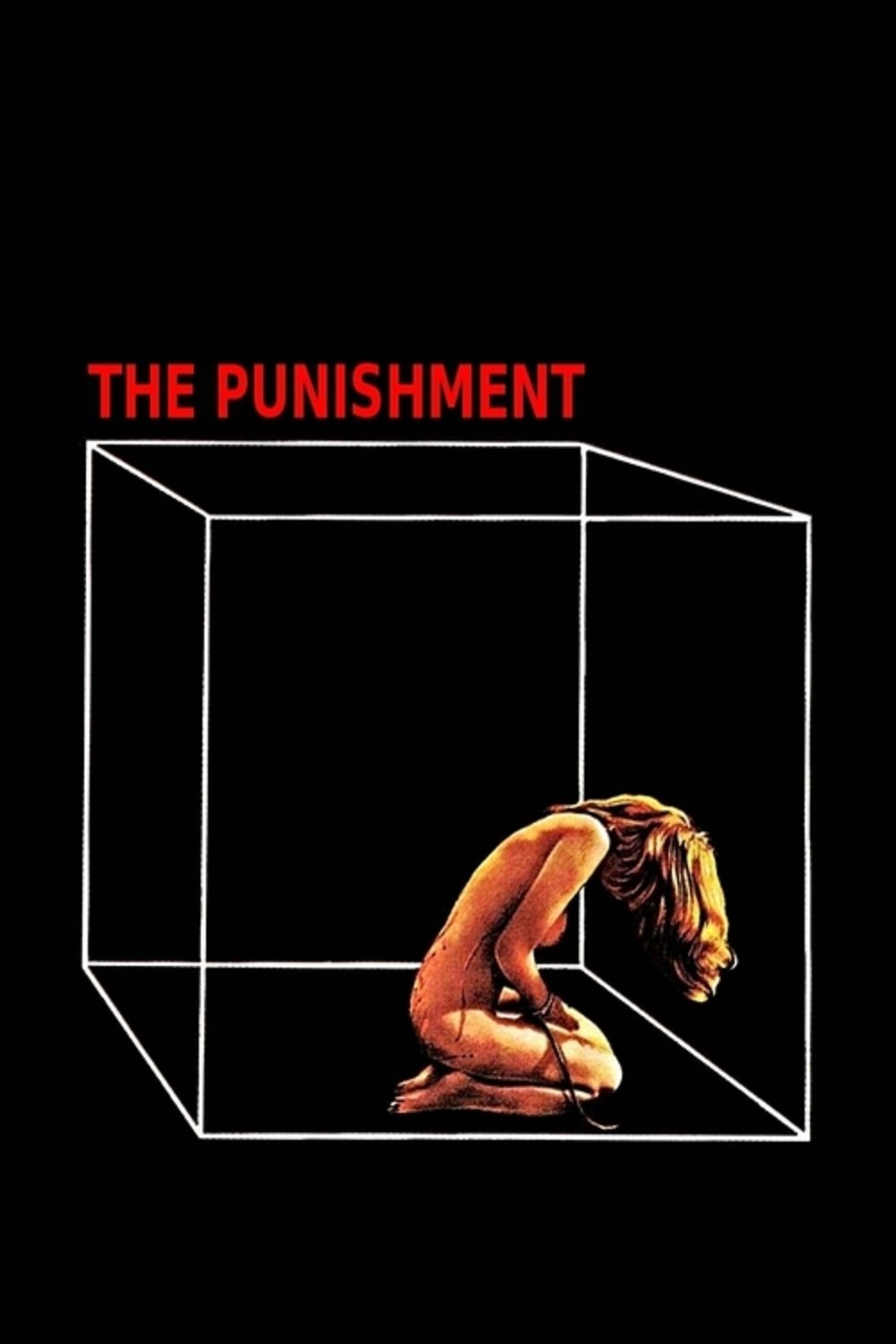
The Party
(Guibert, trucker who helps with the move)
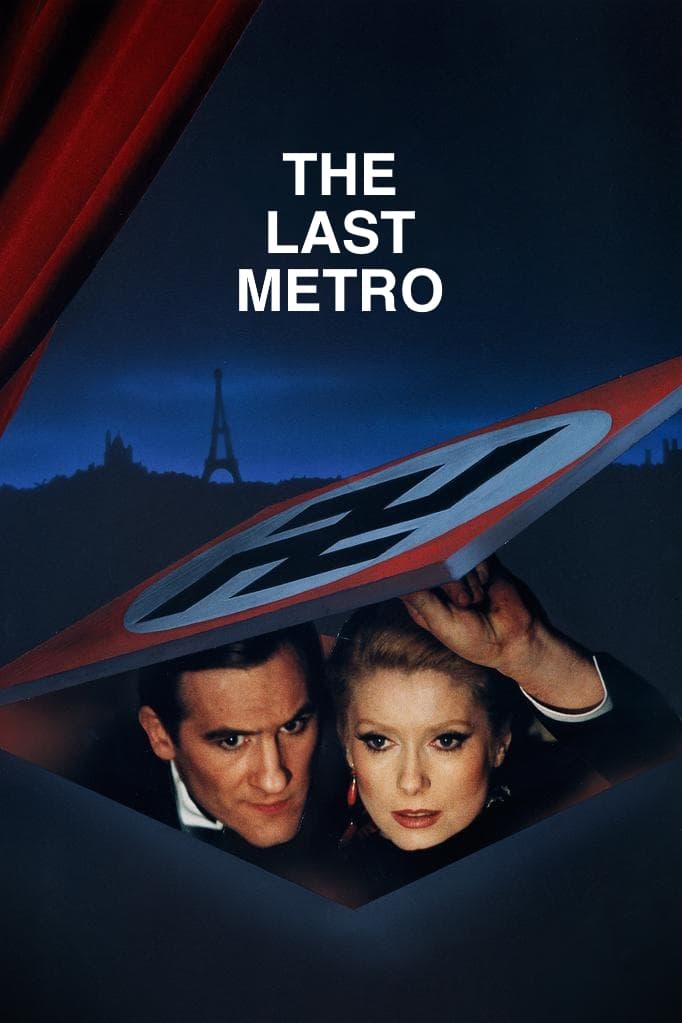
The Last Metro
(Gestapo Officer)
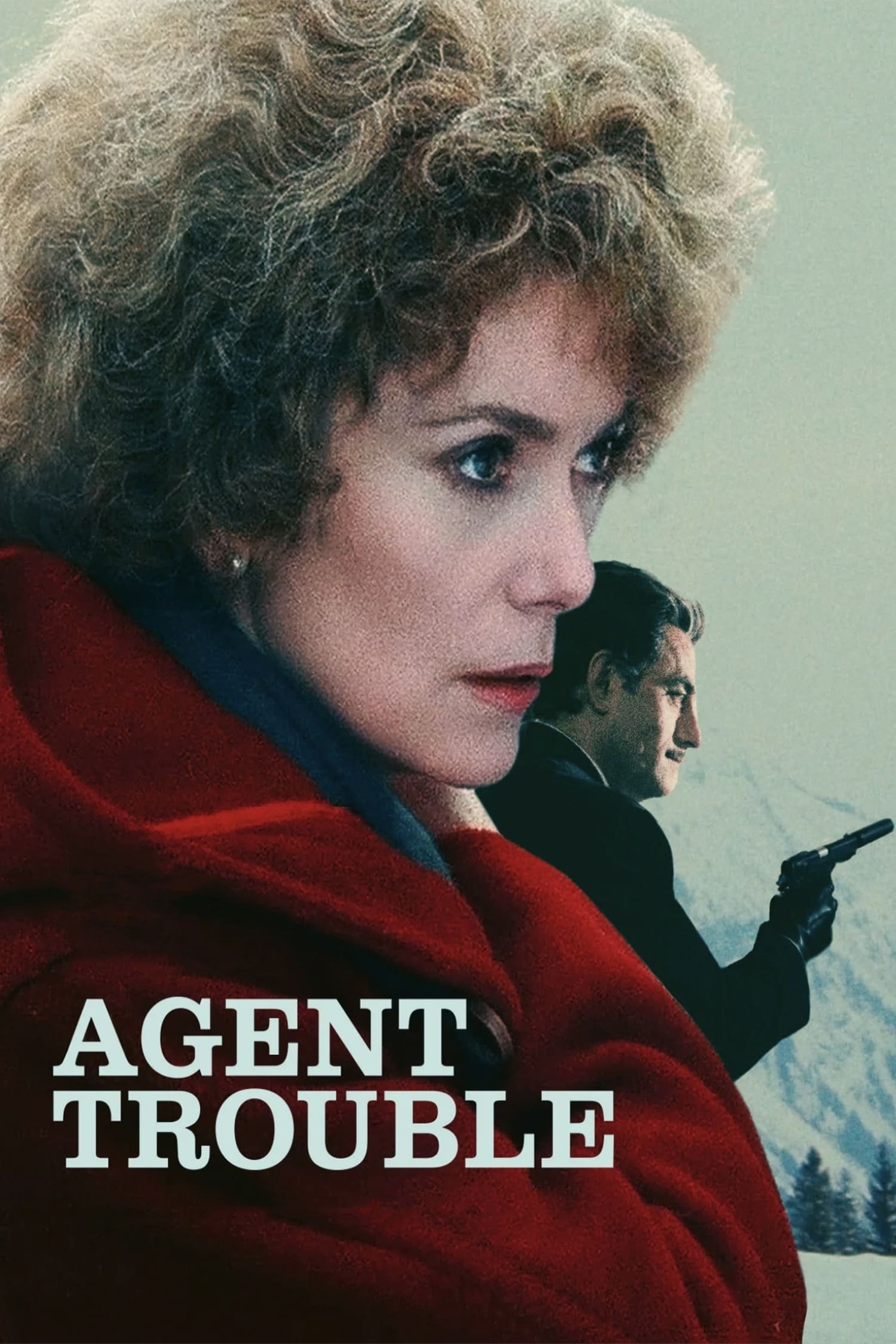
Agent trouble
(Alex)
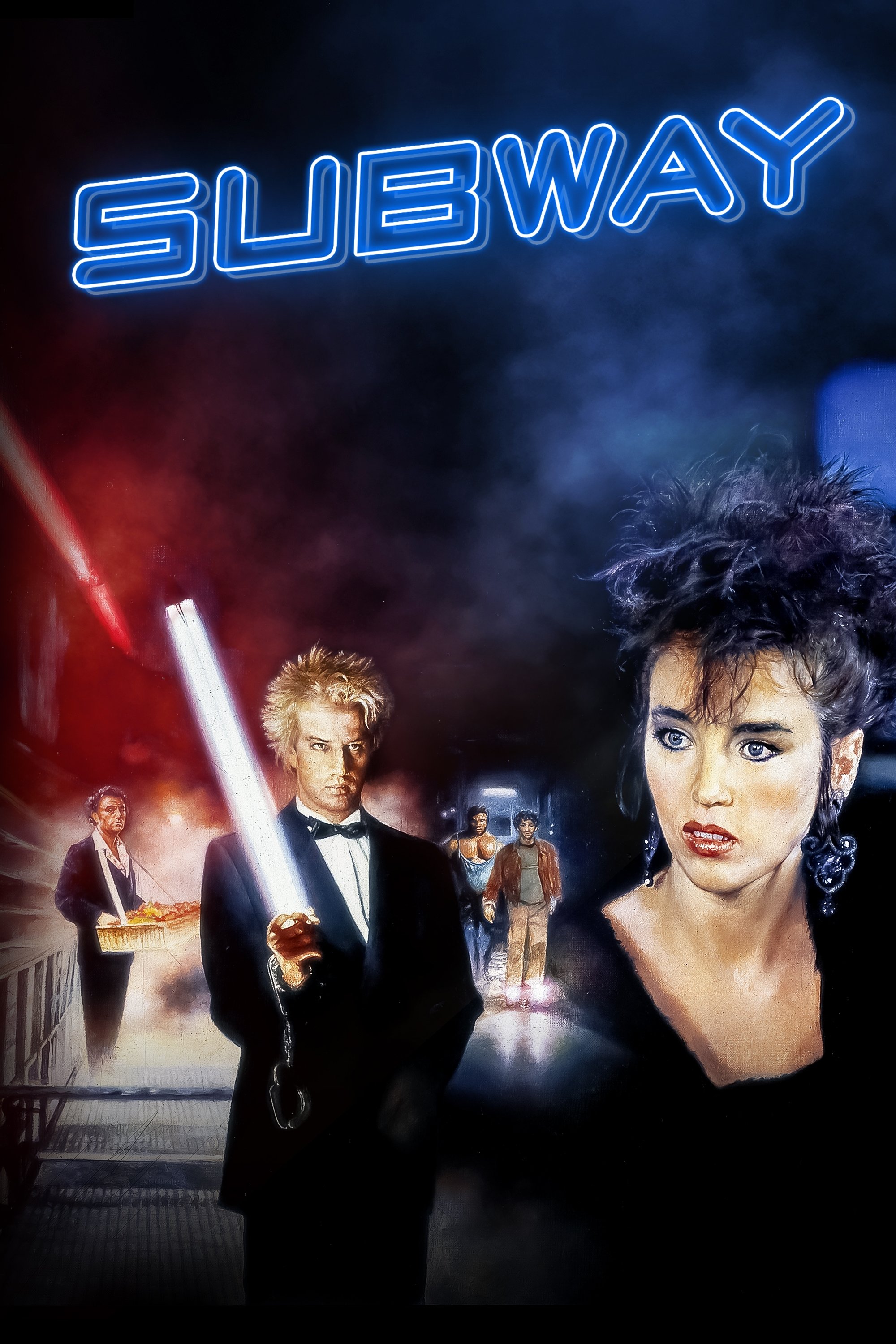
Subway
(Le Fleuriste)
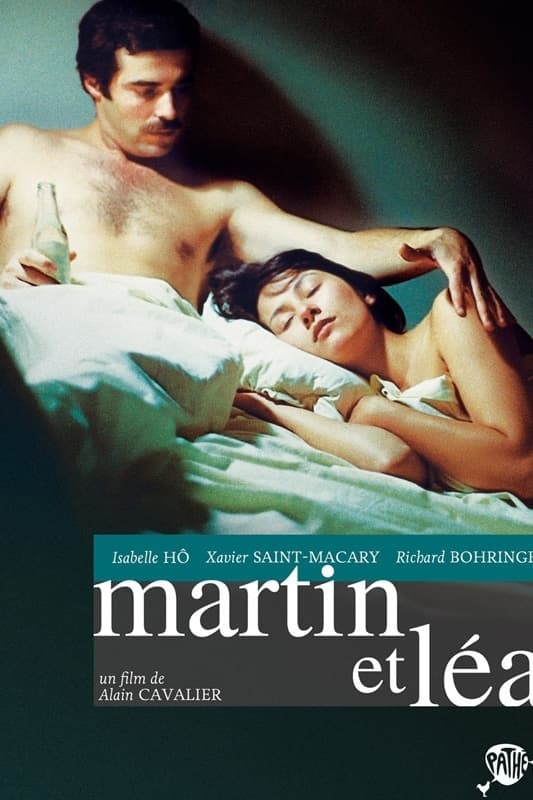
Martin and Lea
(Lucien)
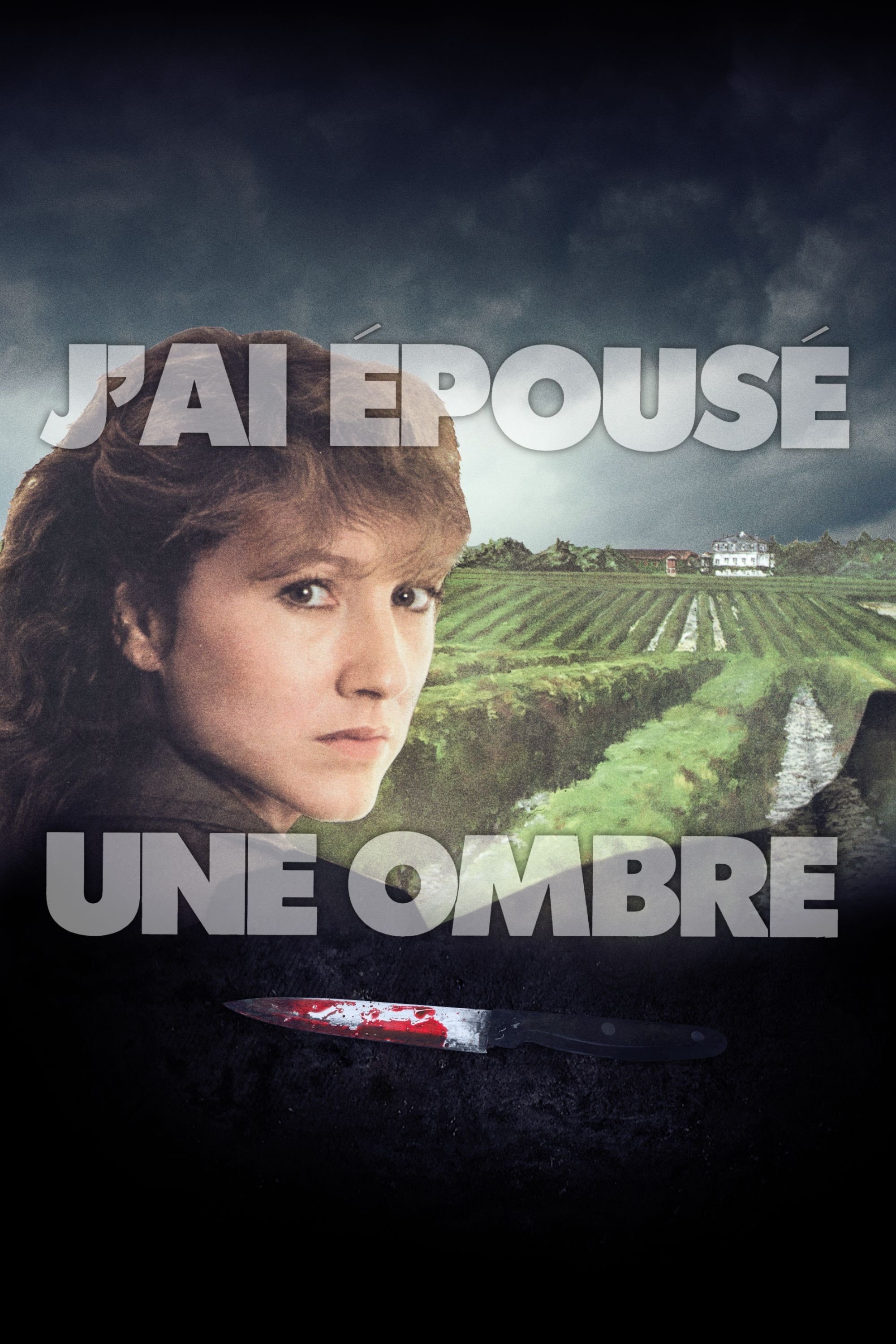
I Married a Shadow
(Frank)
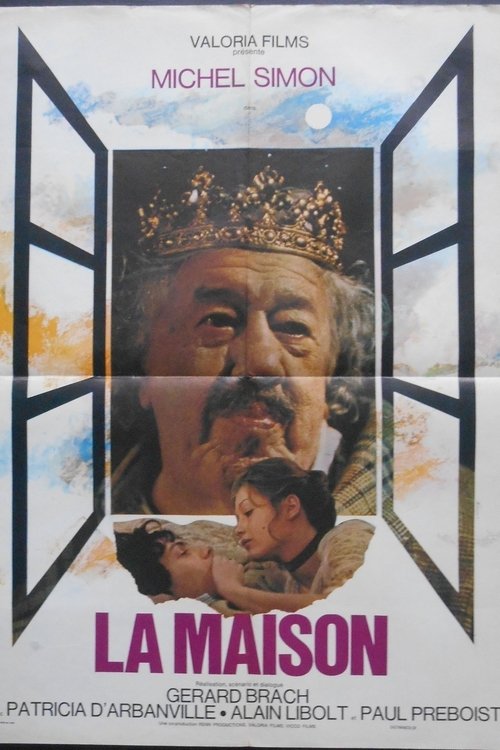
The House
(Friend of Lorraine)
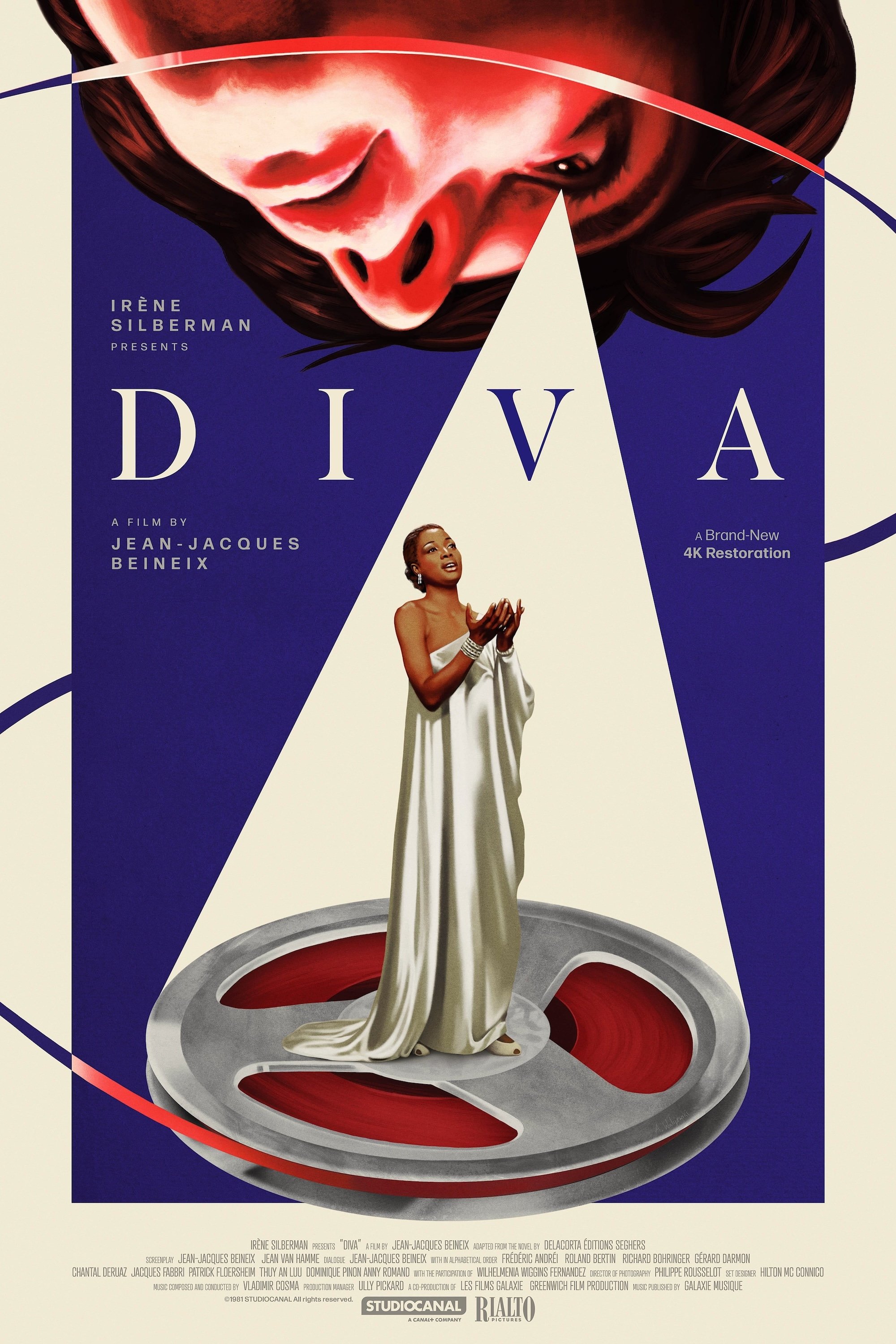
Diva
(Gorodish)
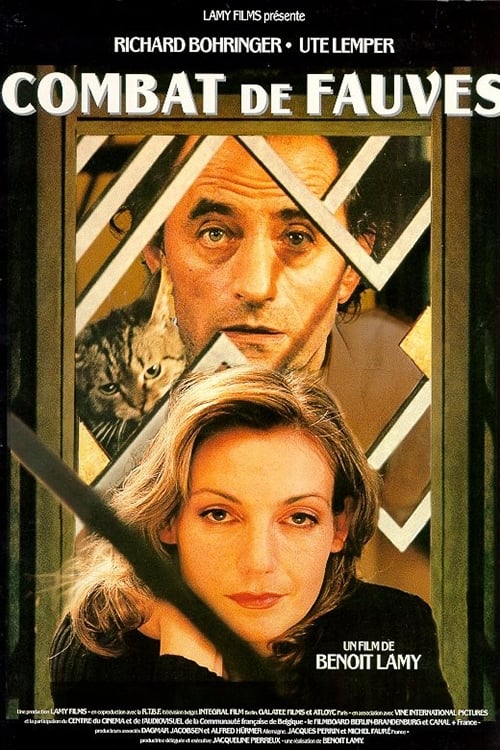
Wild Games
(Charles Cuvelier)
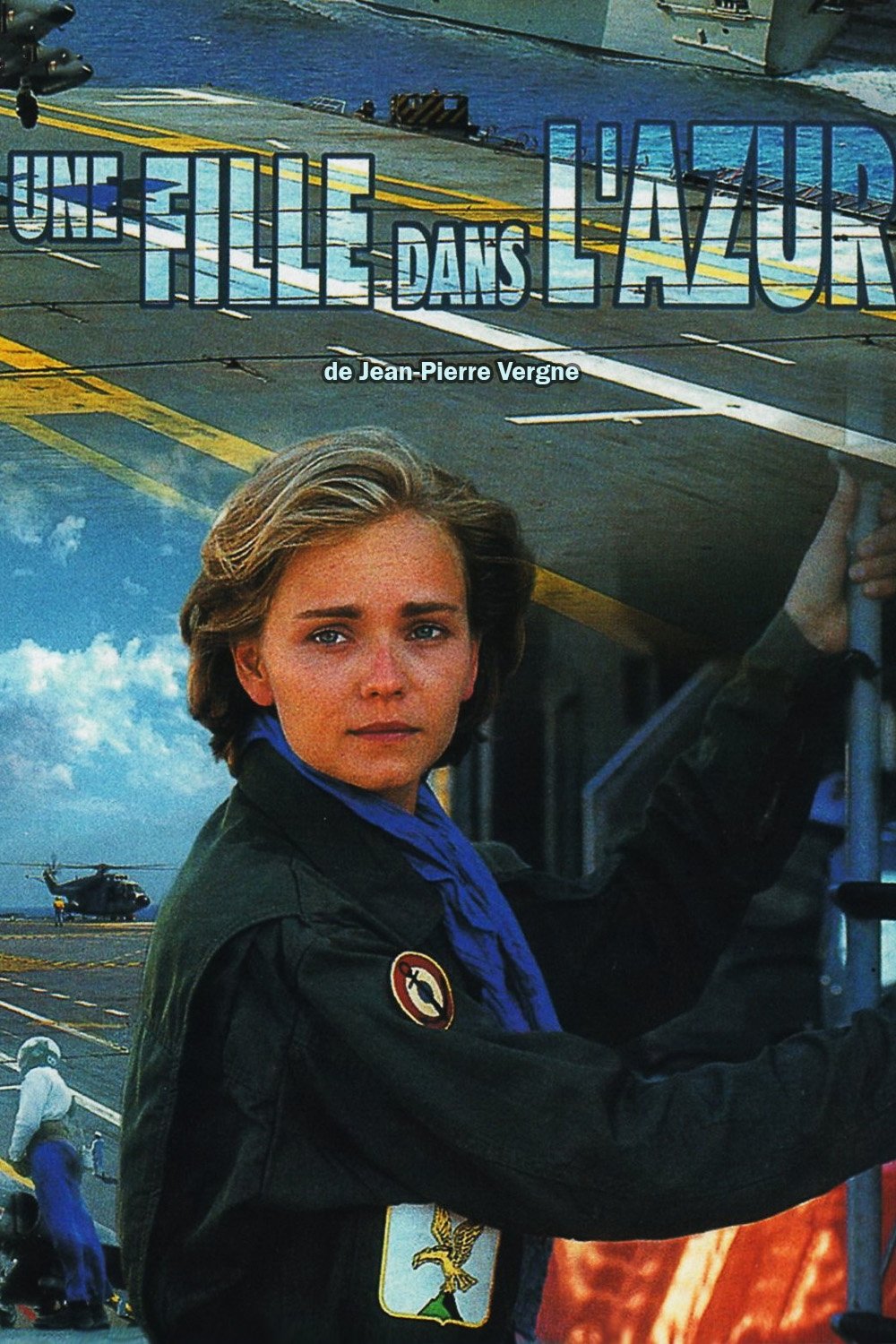
Une fille dans l'azur
(Sila)
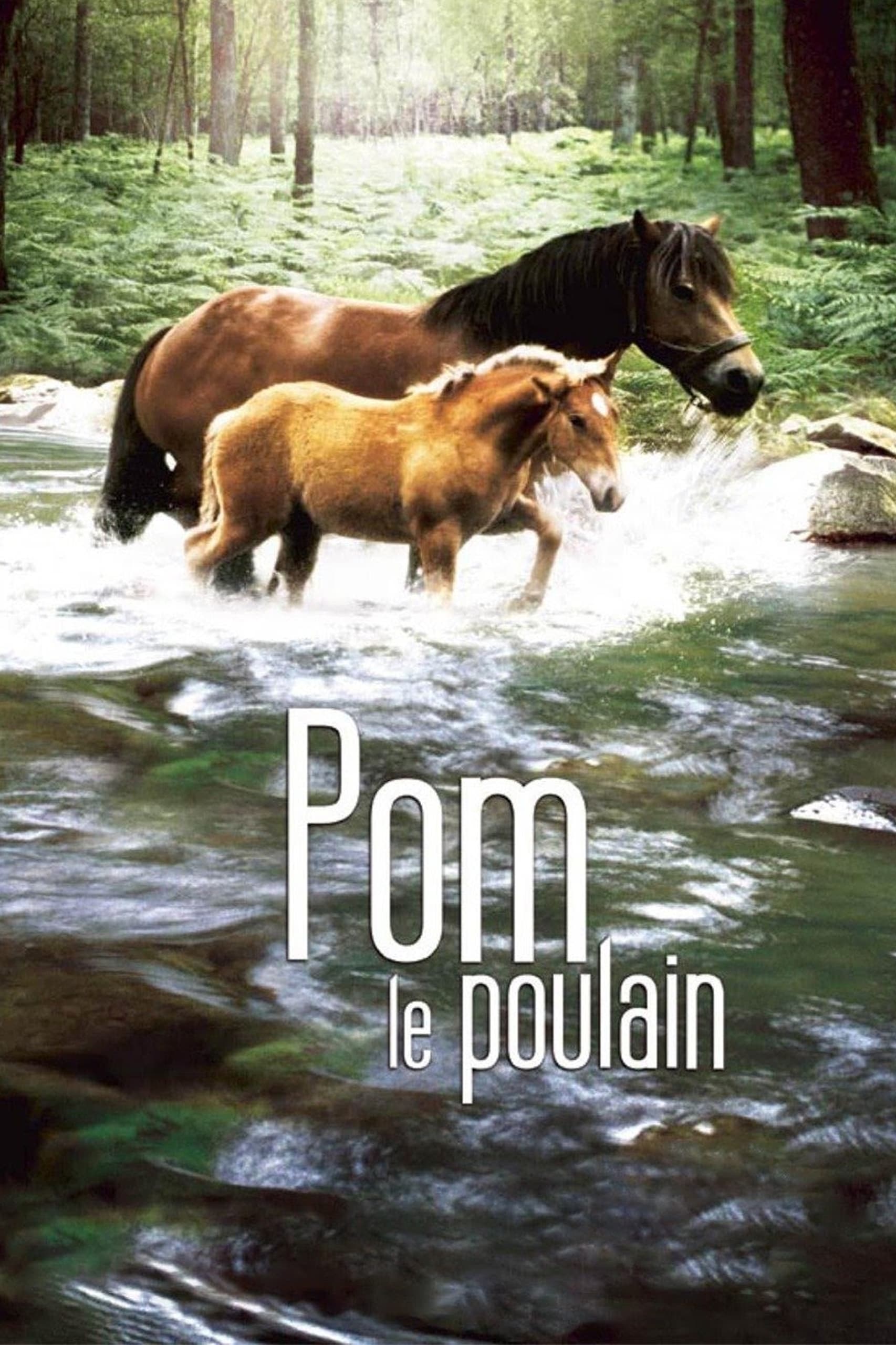
Pom, le poulain
(Julien)

The Cook, the Thief, His Wife & Her Lover
(Richard Boarst)
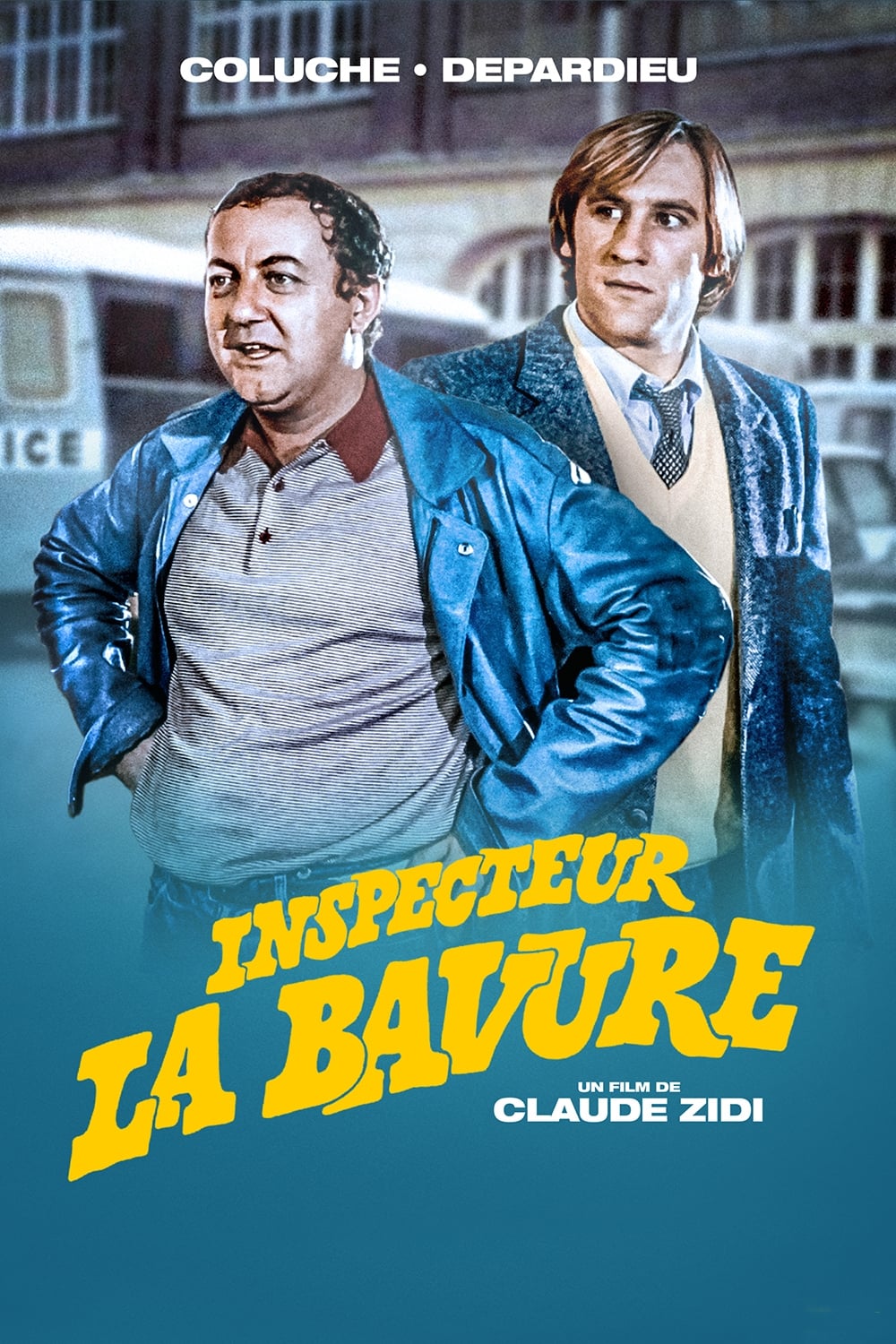
Inspector Blunder
(le policier du service d'anthropométrie)
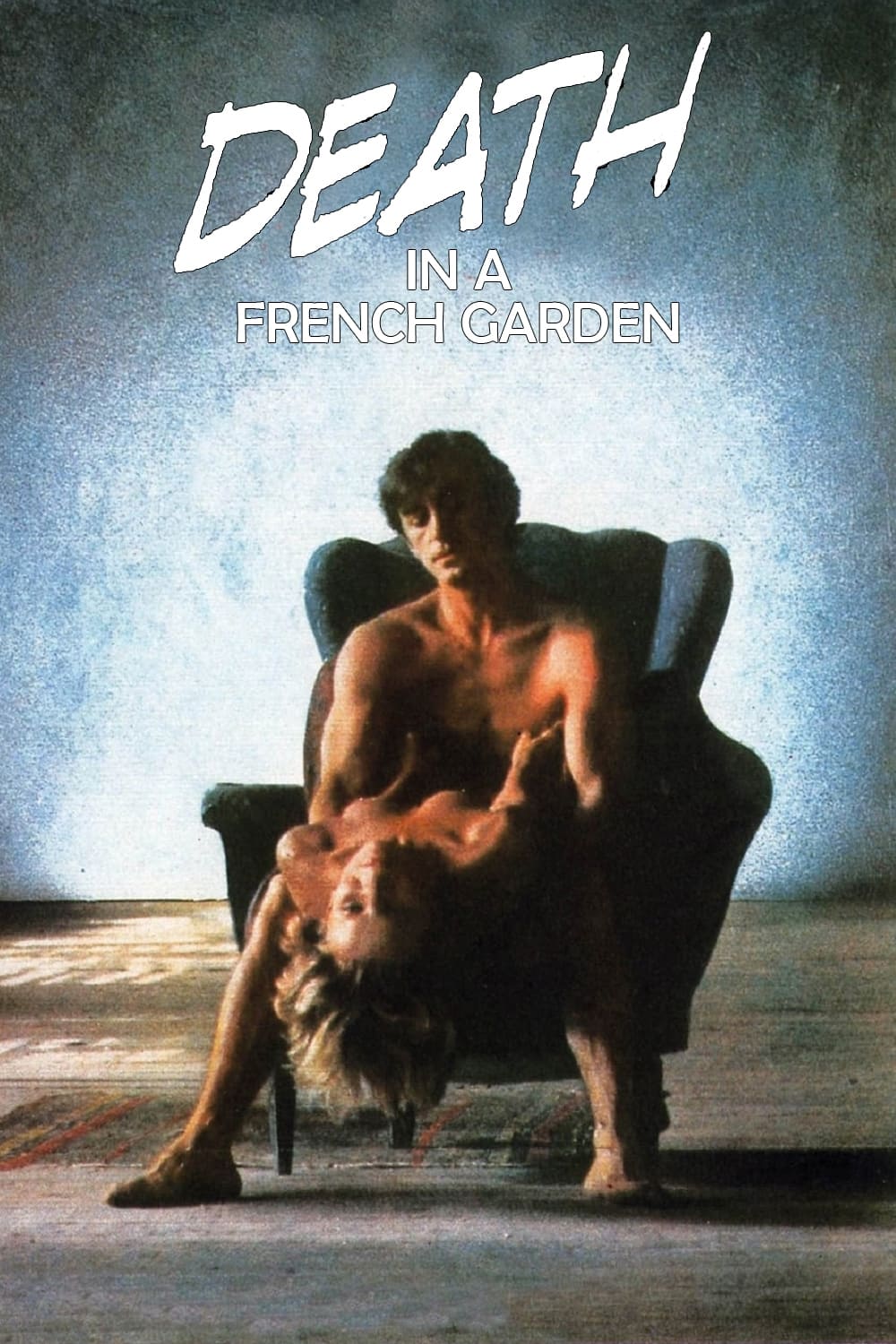
Death in a French Garden
(Daniel Forest)
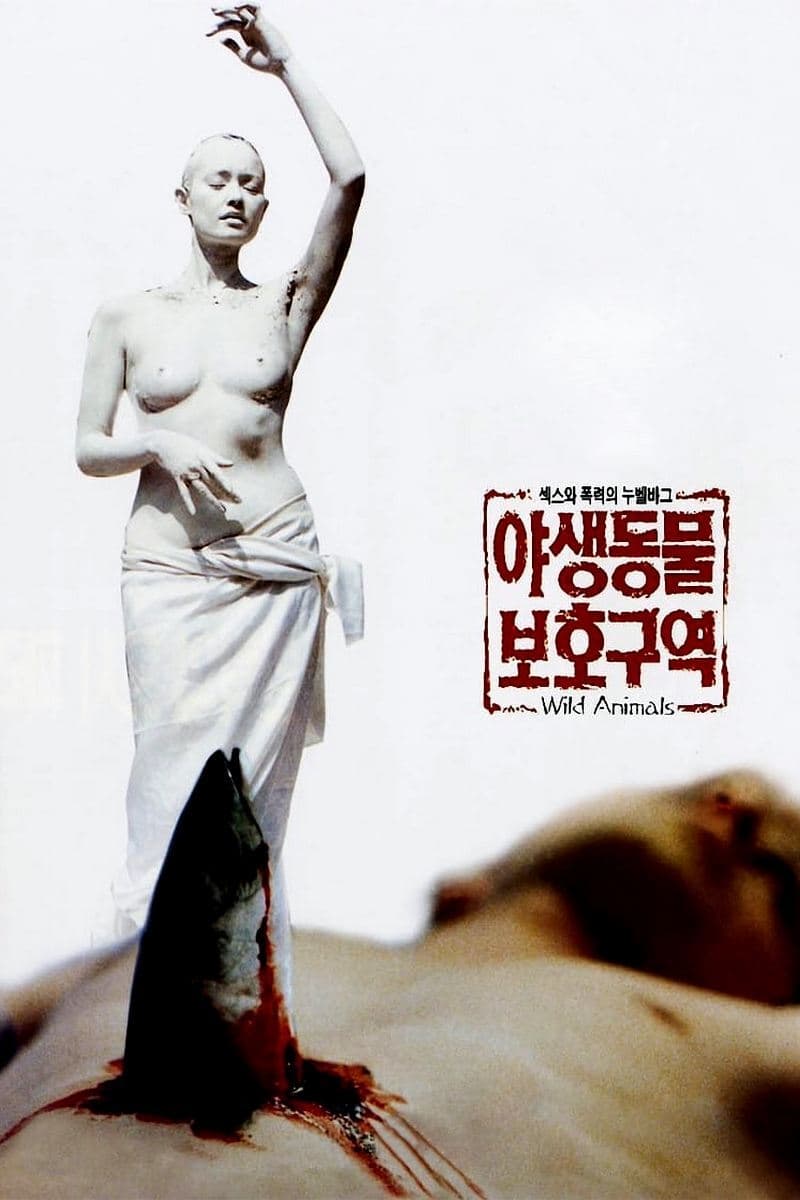
Wild Animals
(Boss)
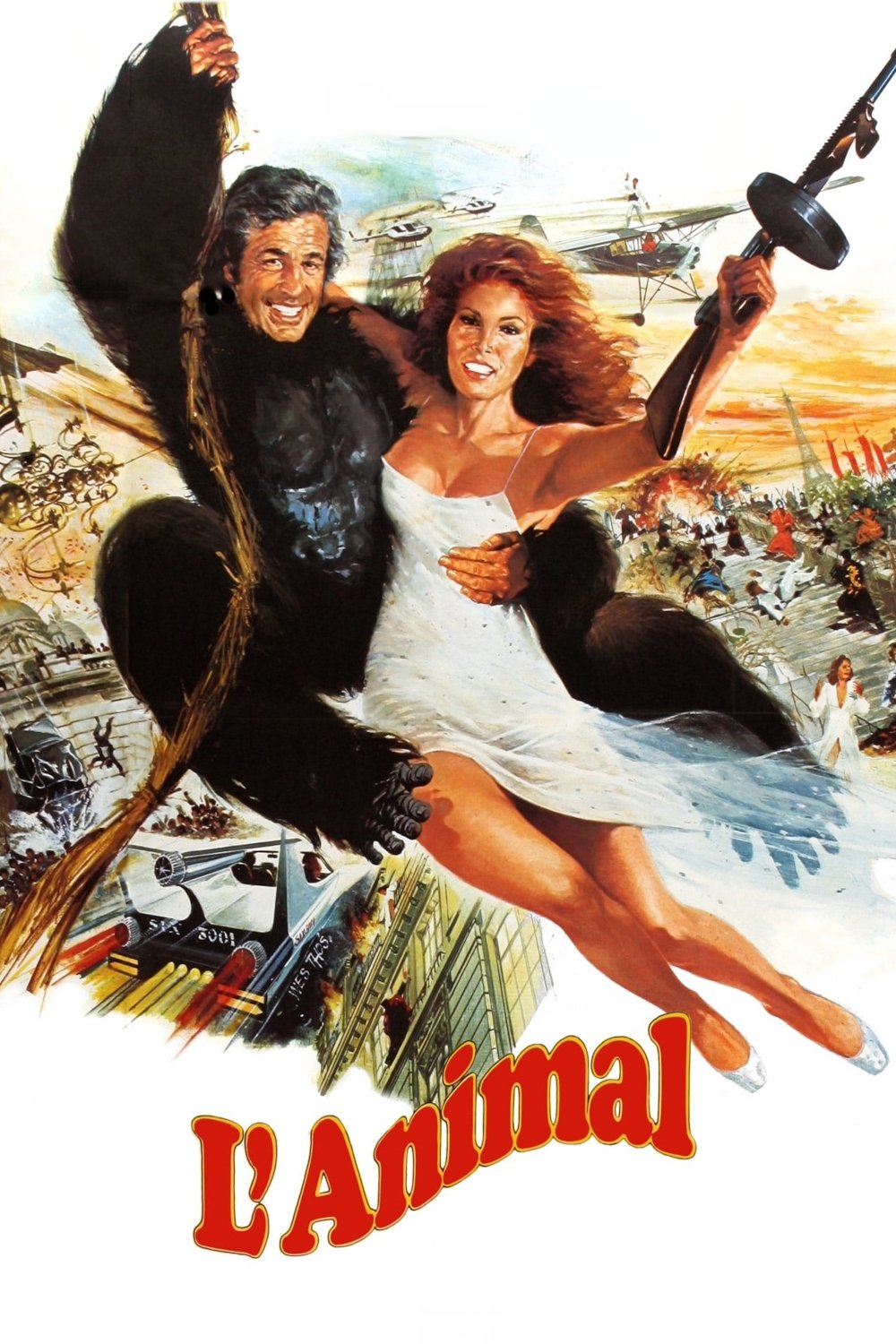
Animal
(L'assistant-réalisateur)
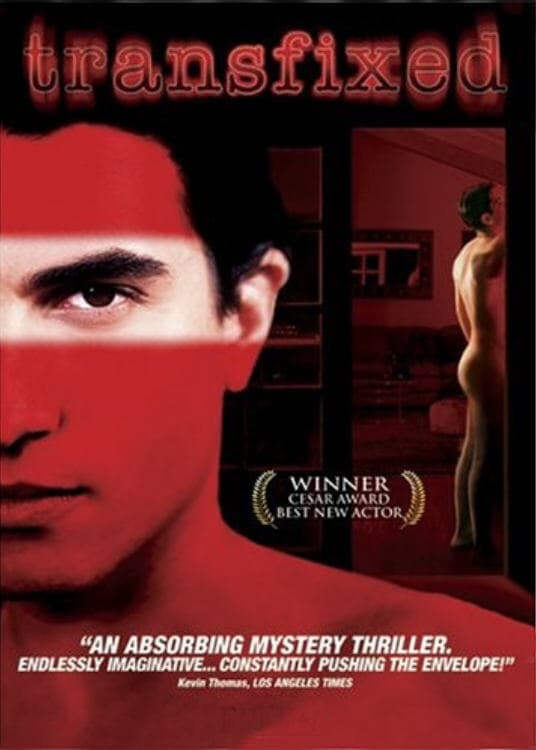
Transfixed
(Huysmans)
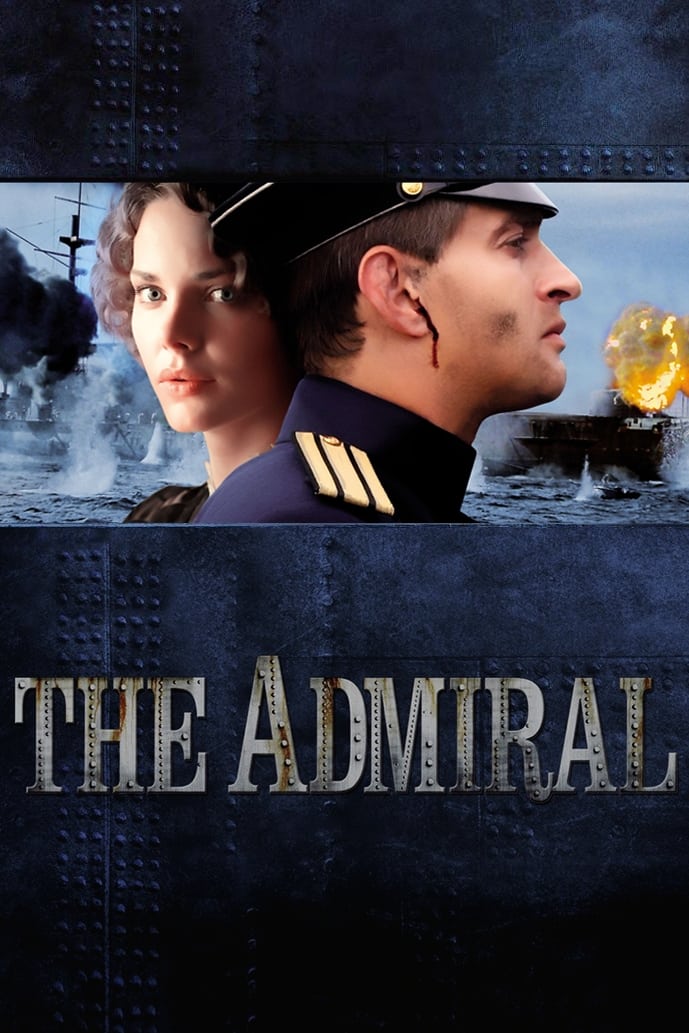
Admiral
(General Maurice Zhannen)
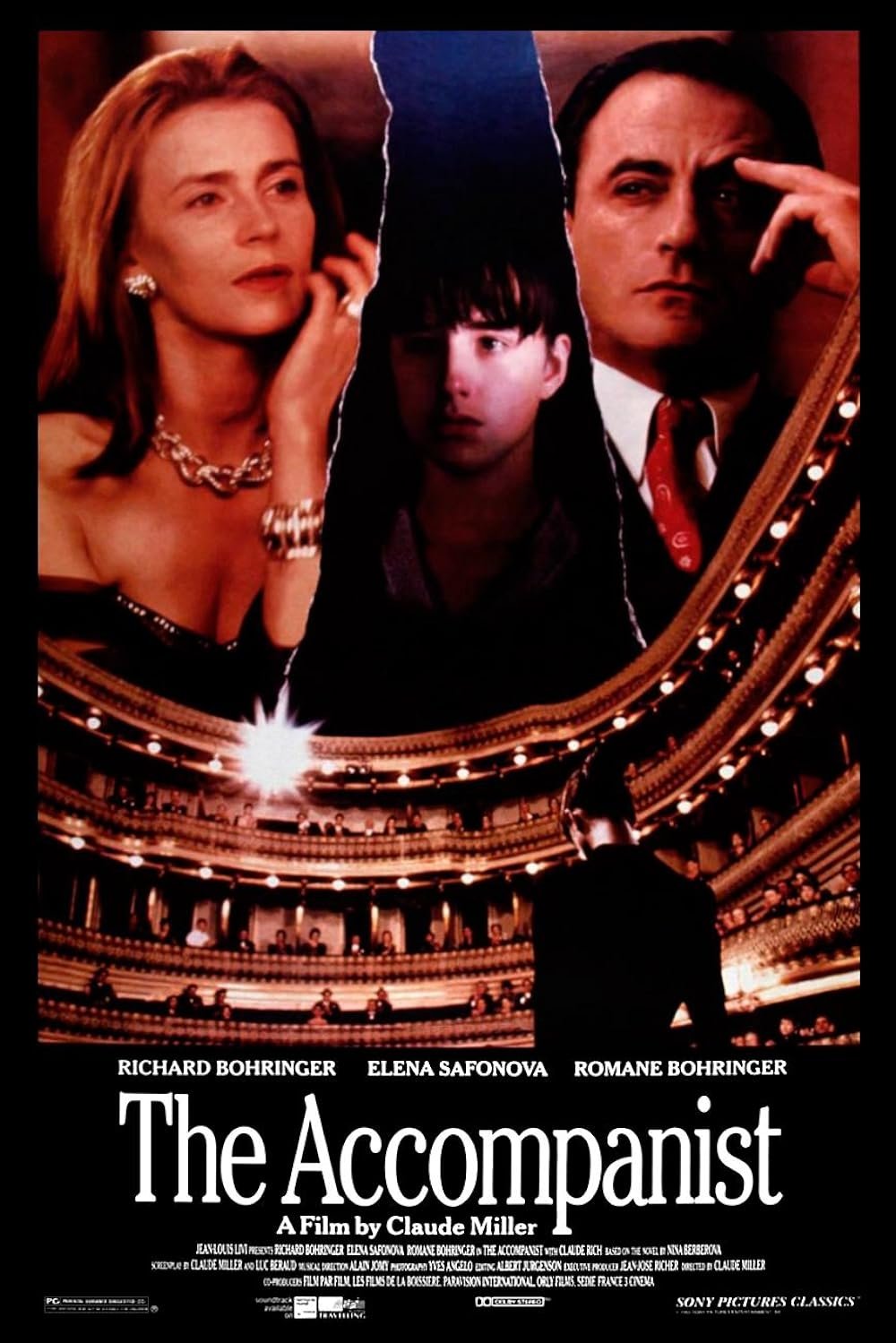
The Accompanist
(Charles Brice)
Folie suisse
(Adrien Daubigny)
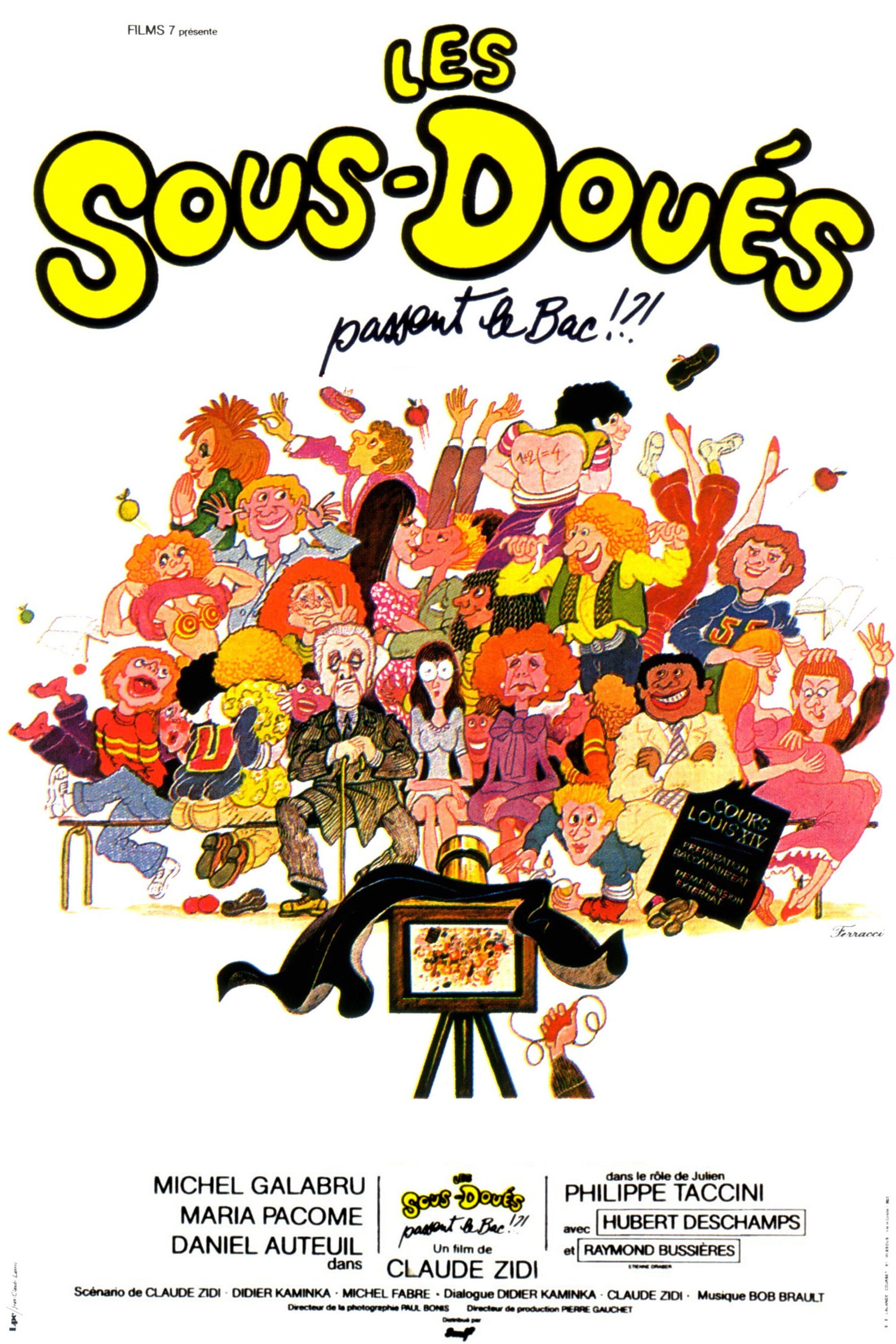
The Under-Gifted
(Le pion lors de l'épreuve de Maths)
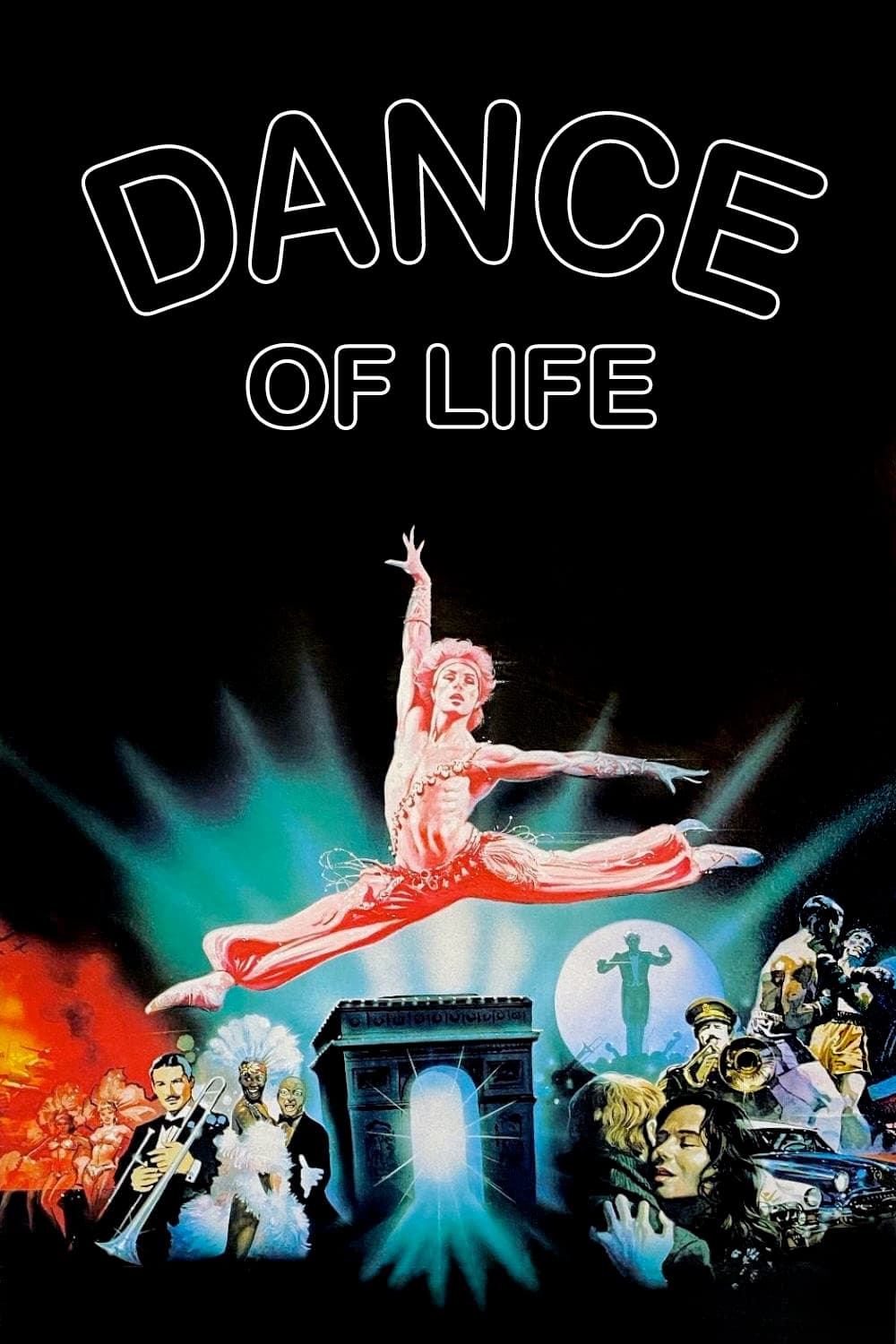
Bolero
(Richard)
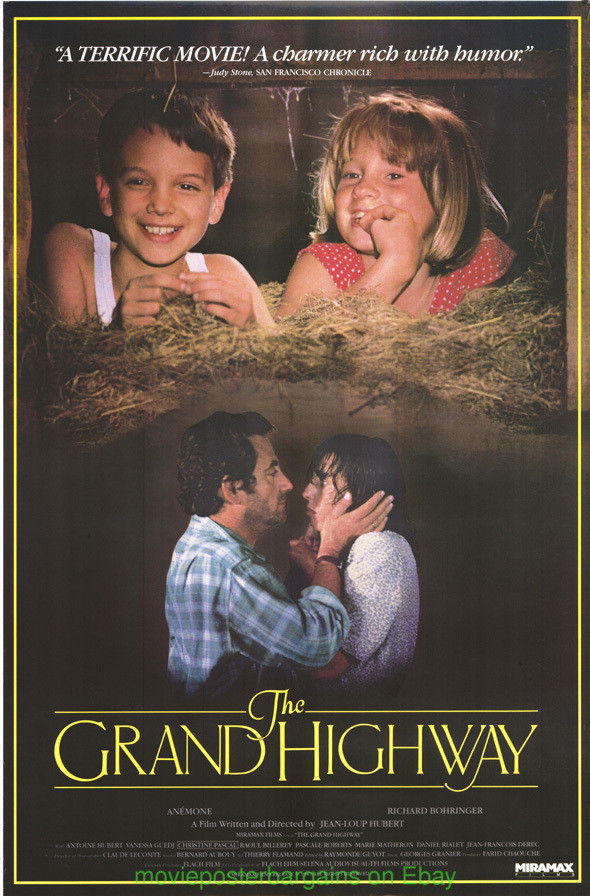
The Grand Highway
(Pelo)
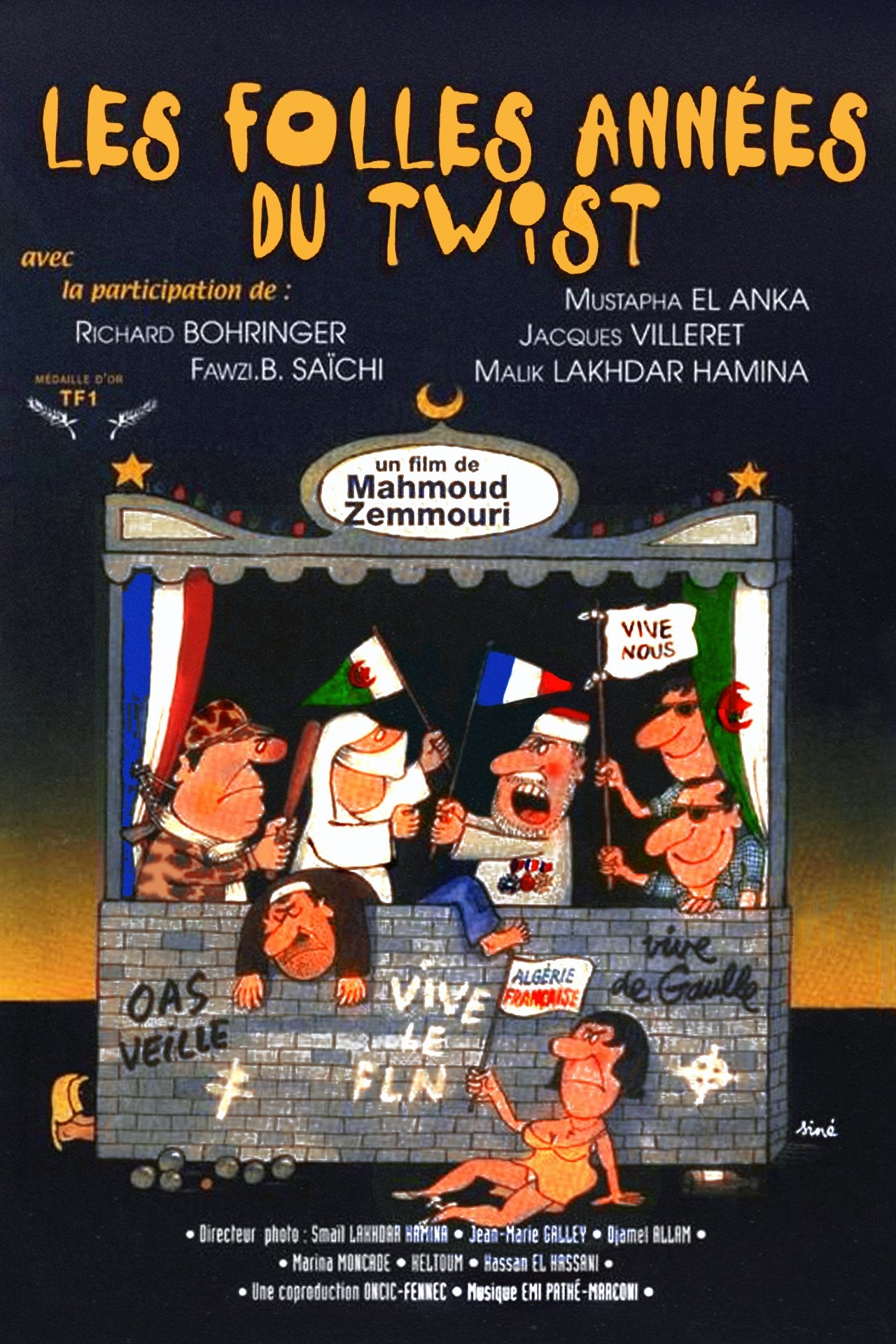
Les Folles Années du Twist
(Gomez)
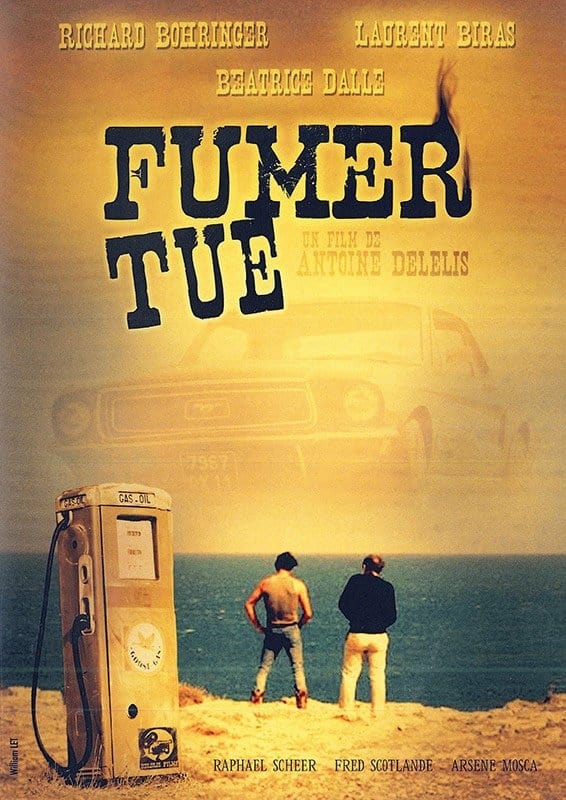
Fumer tue
(Georges)
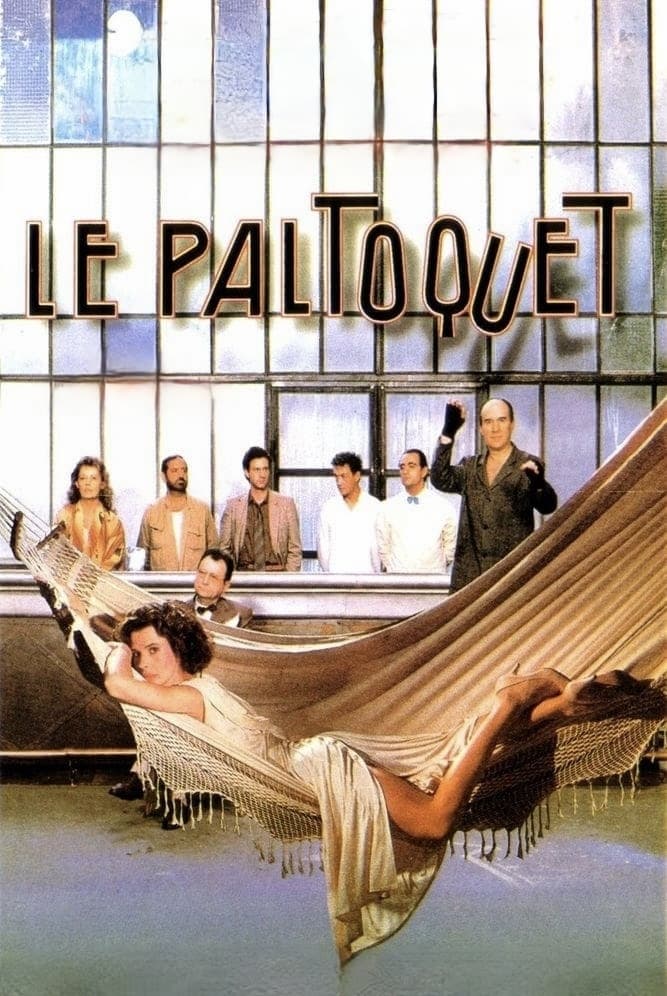
The Nonentity
(le docteur)
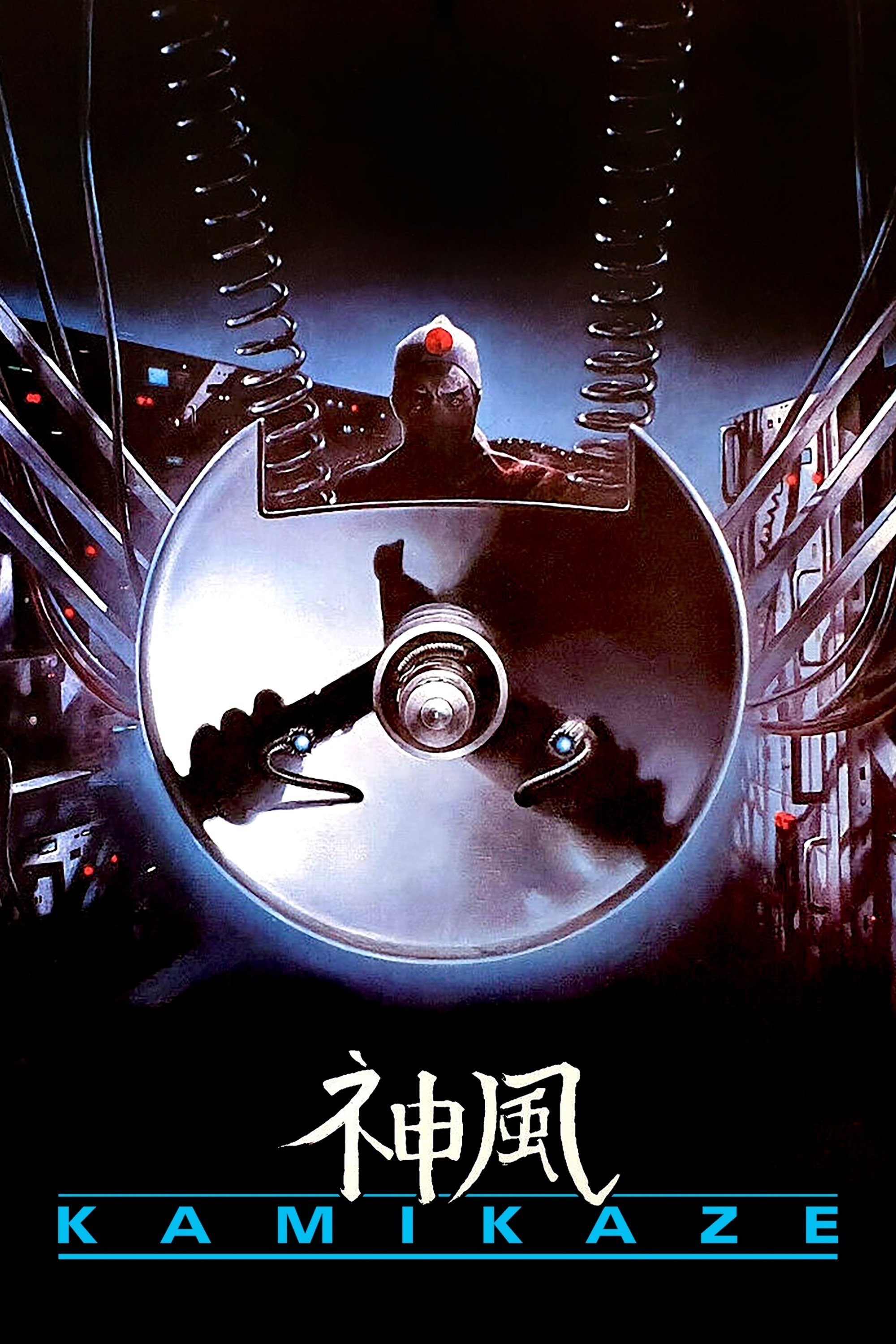
Kamikaze
(Romain)

The Perfume of Yvonne
(Yvonne's Uncle)
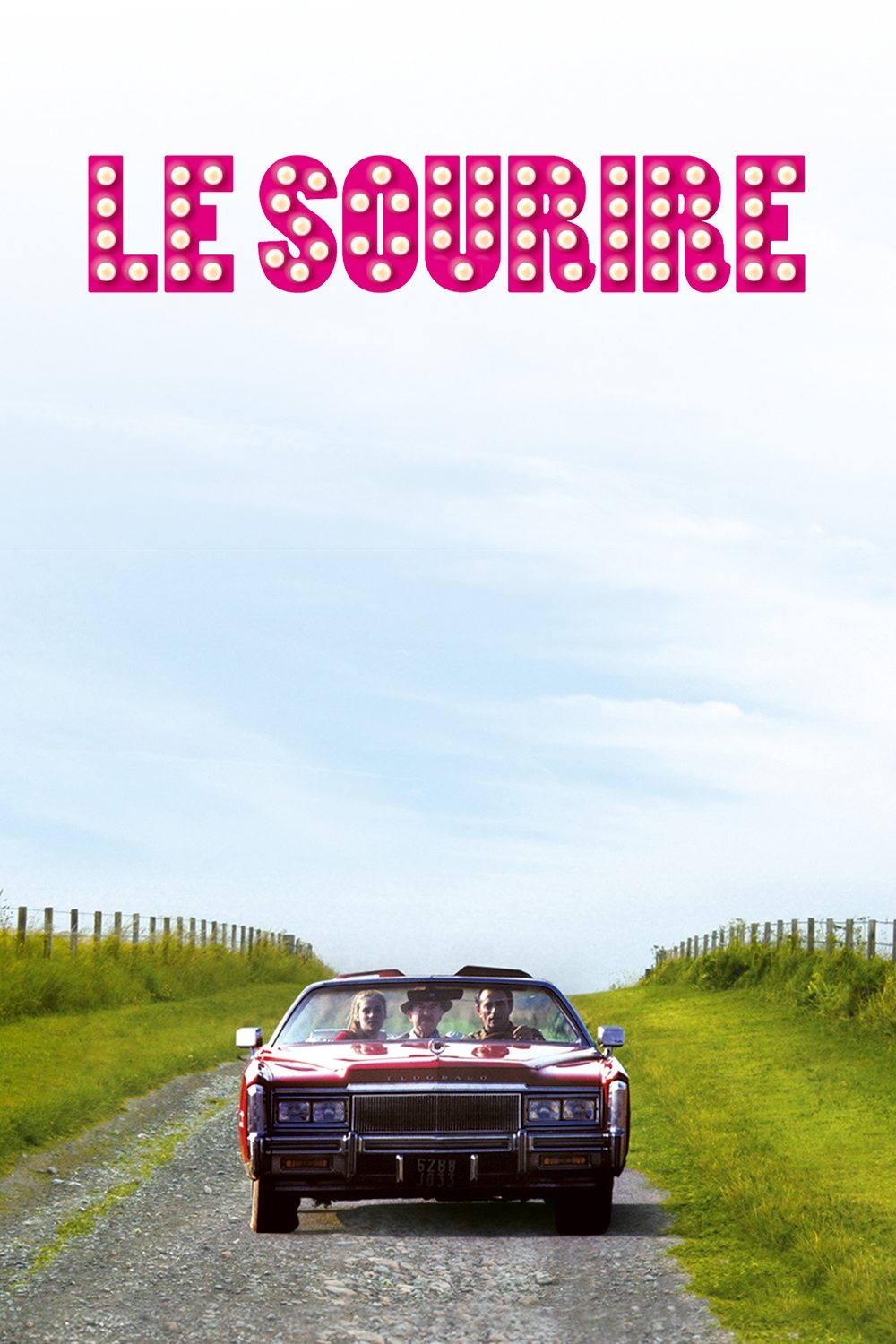
Le Sourire
(Jean-Jean)
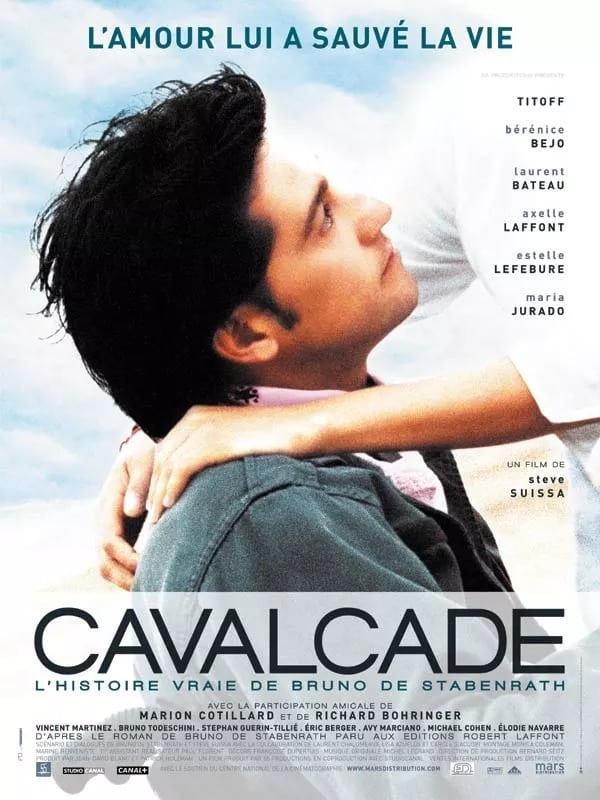
Cavalcade
(Dr. Desmouches)
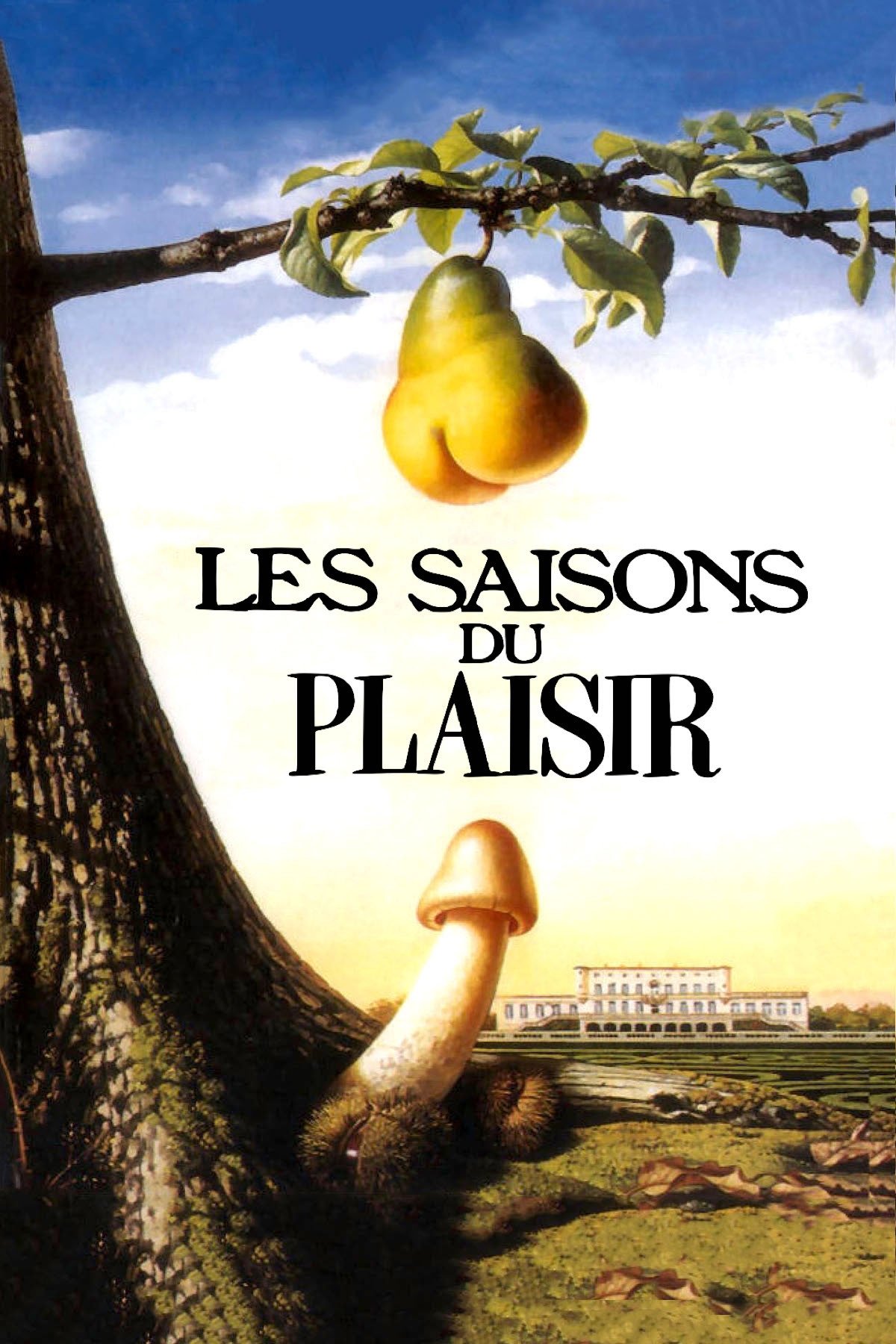
The Seasons of Pleasure
(Adam)
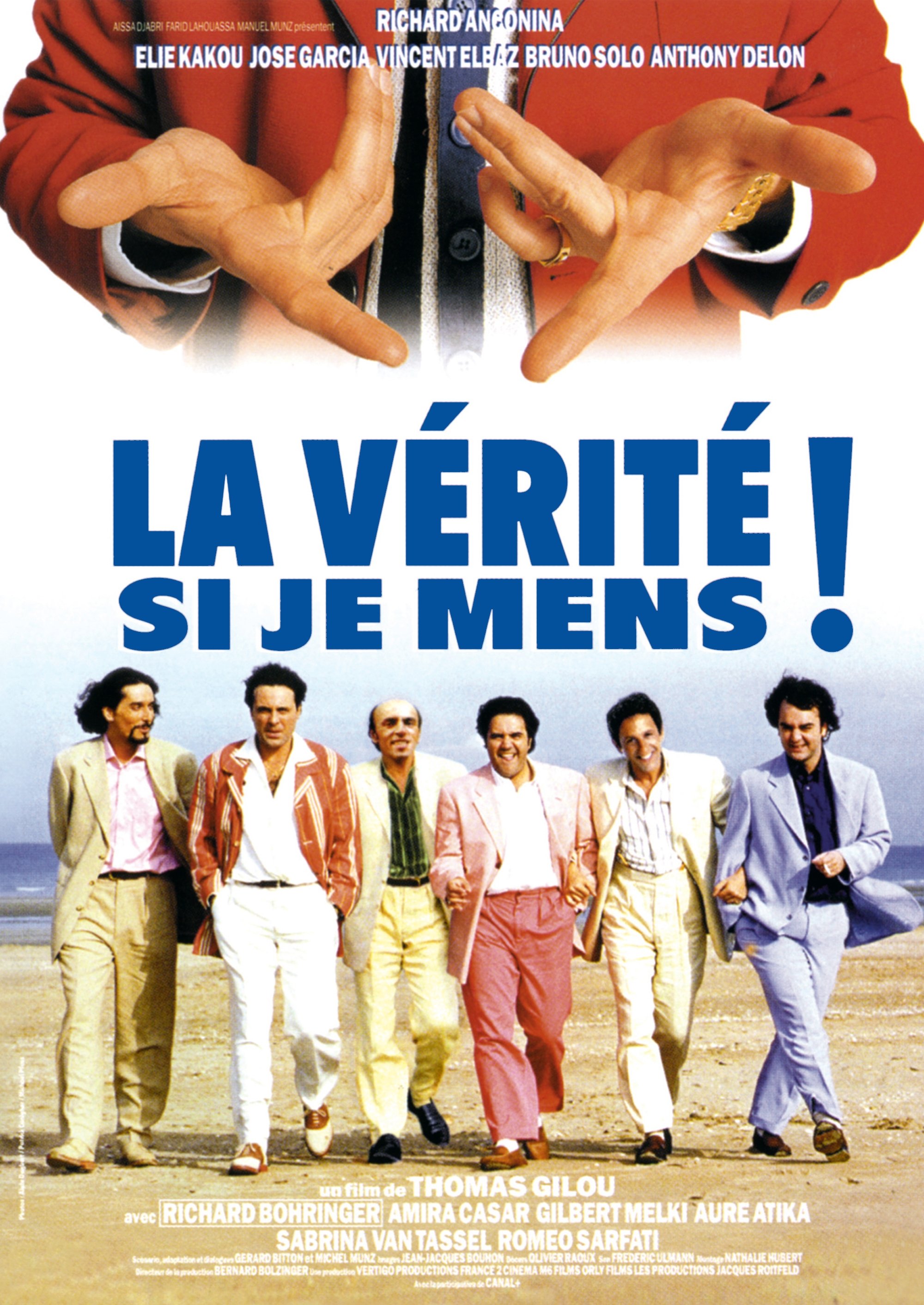
Would I Lie to You?
(Victor Benzakhem)
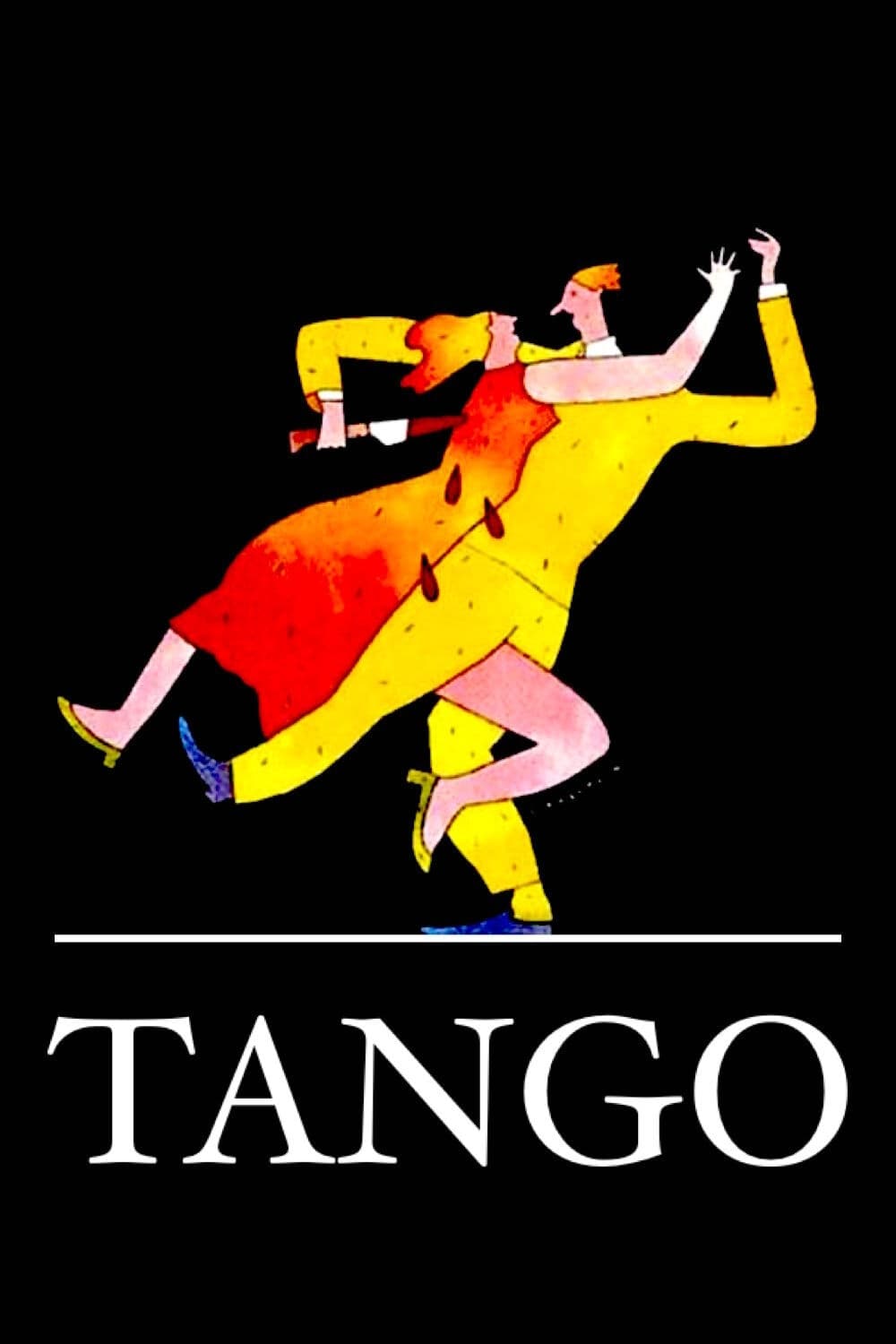
Tango
(Vincent Baraduc)
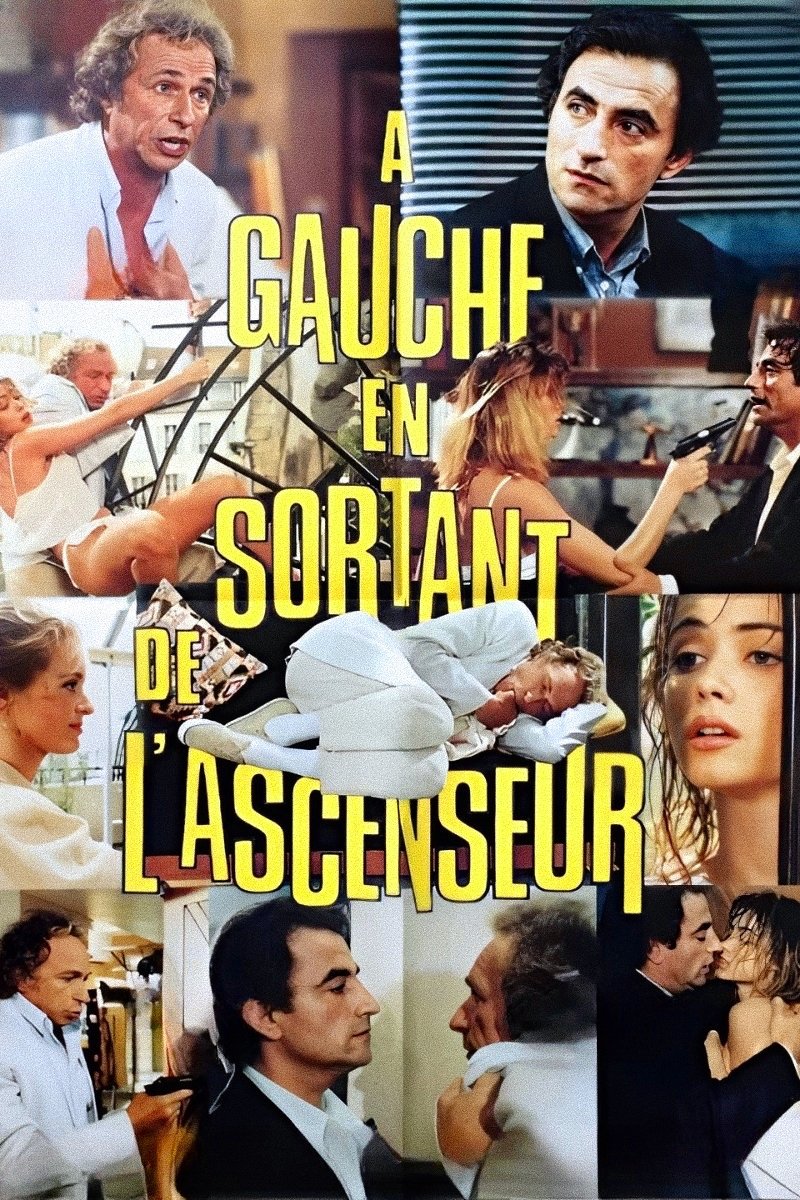
Door on the Left as You Leave the Elevator
(Boris)
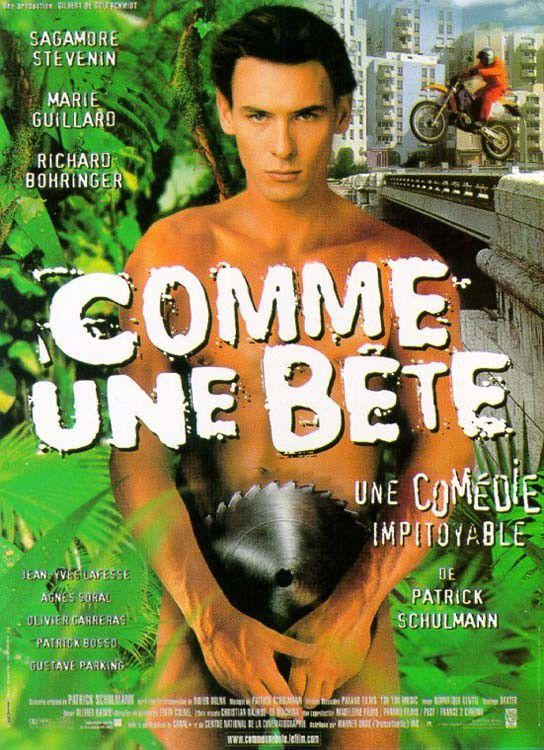
Comme une bête
(Casimir)
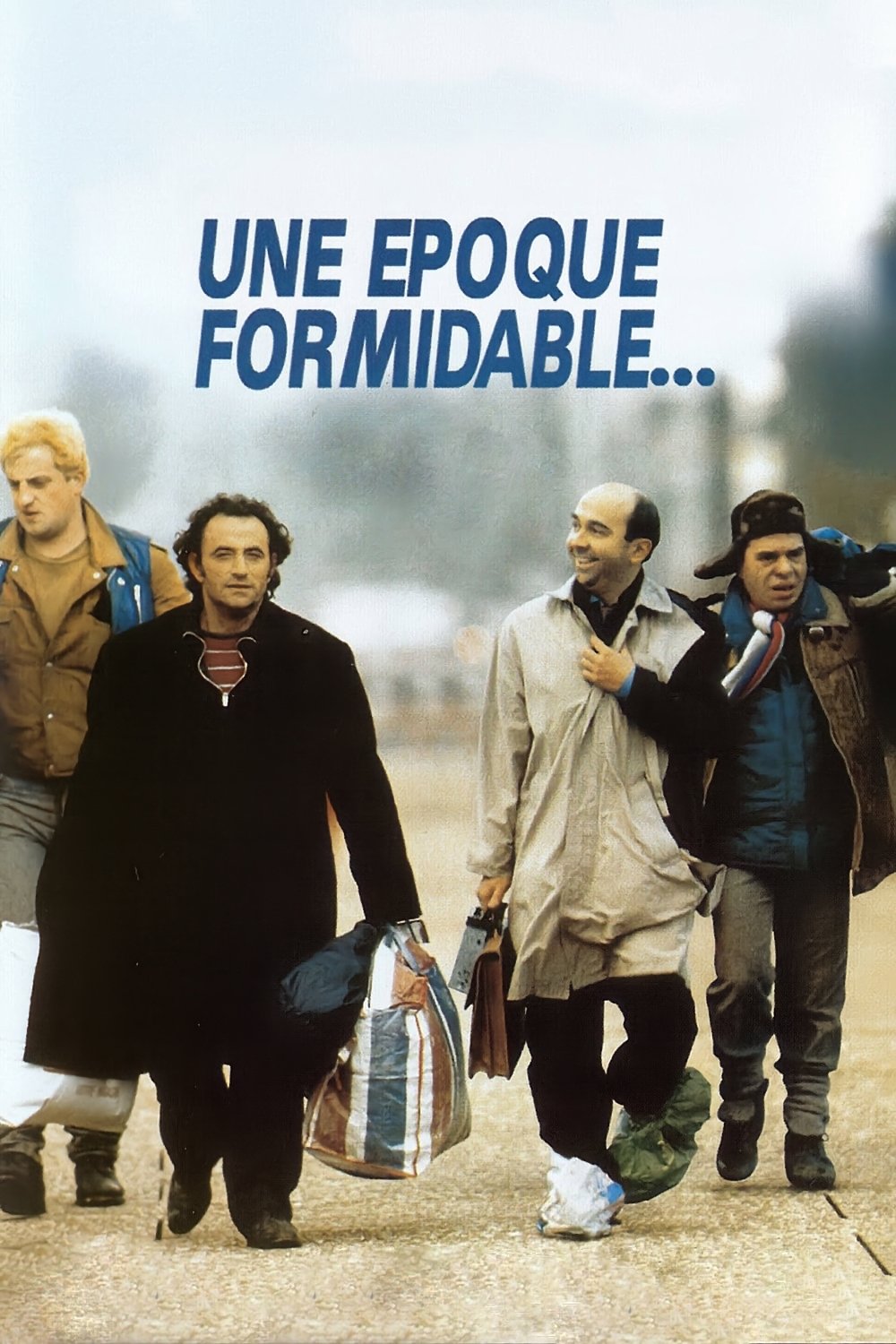
Une époque formidable
('Toubib')
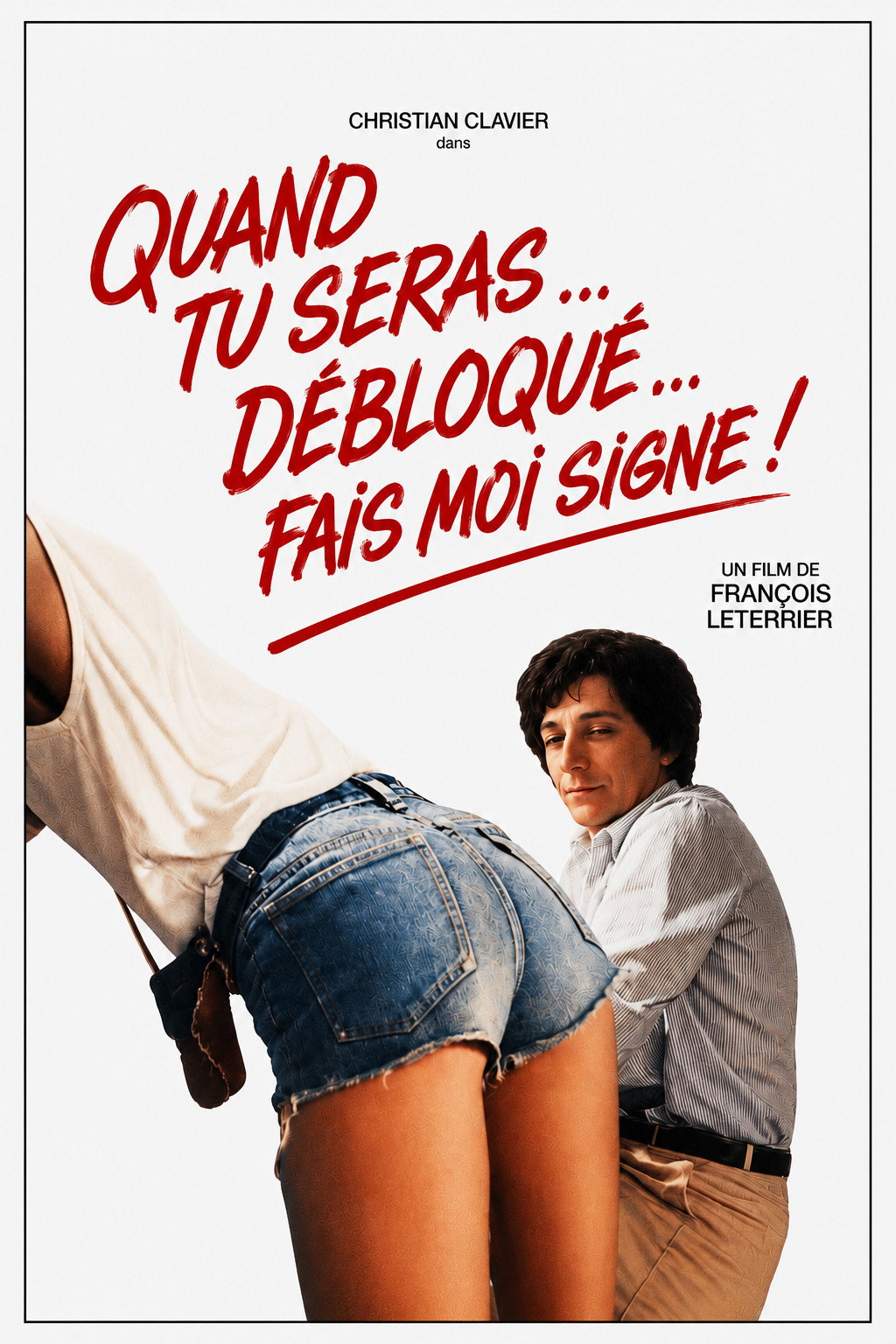
Quand tu seras débloqué... fais-moi signe !
(Paul)
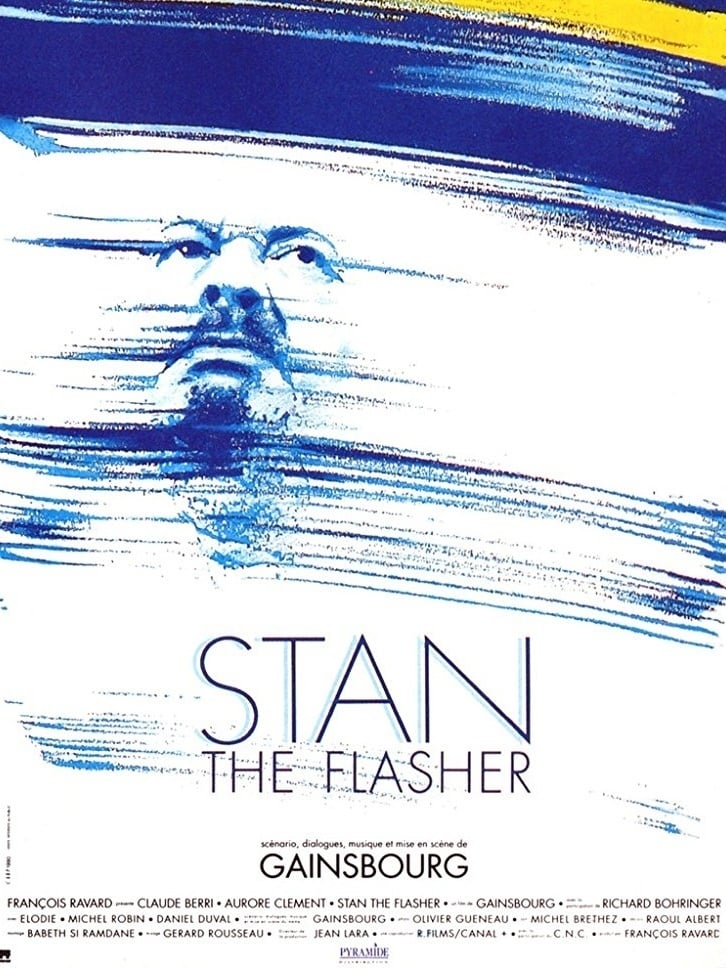
Stan the Flasher
(David)
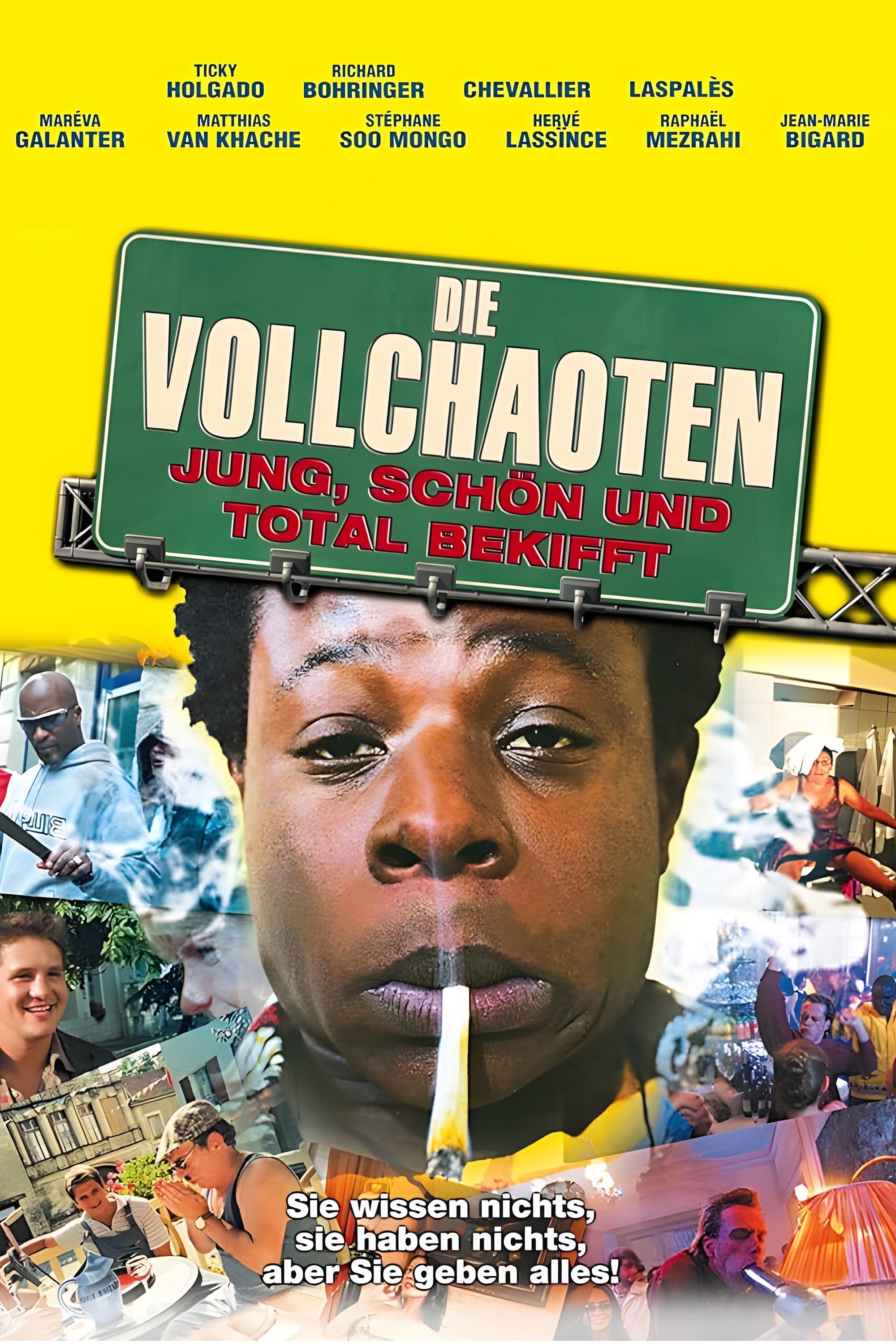
Young, Beautiful and Screwed Up
(Francois Bricard)
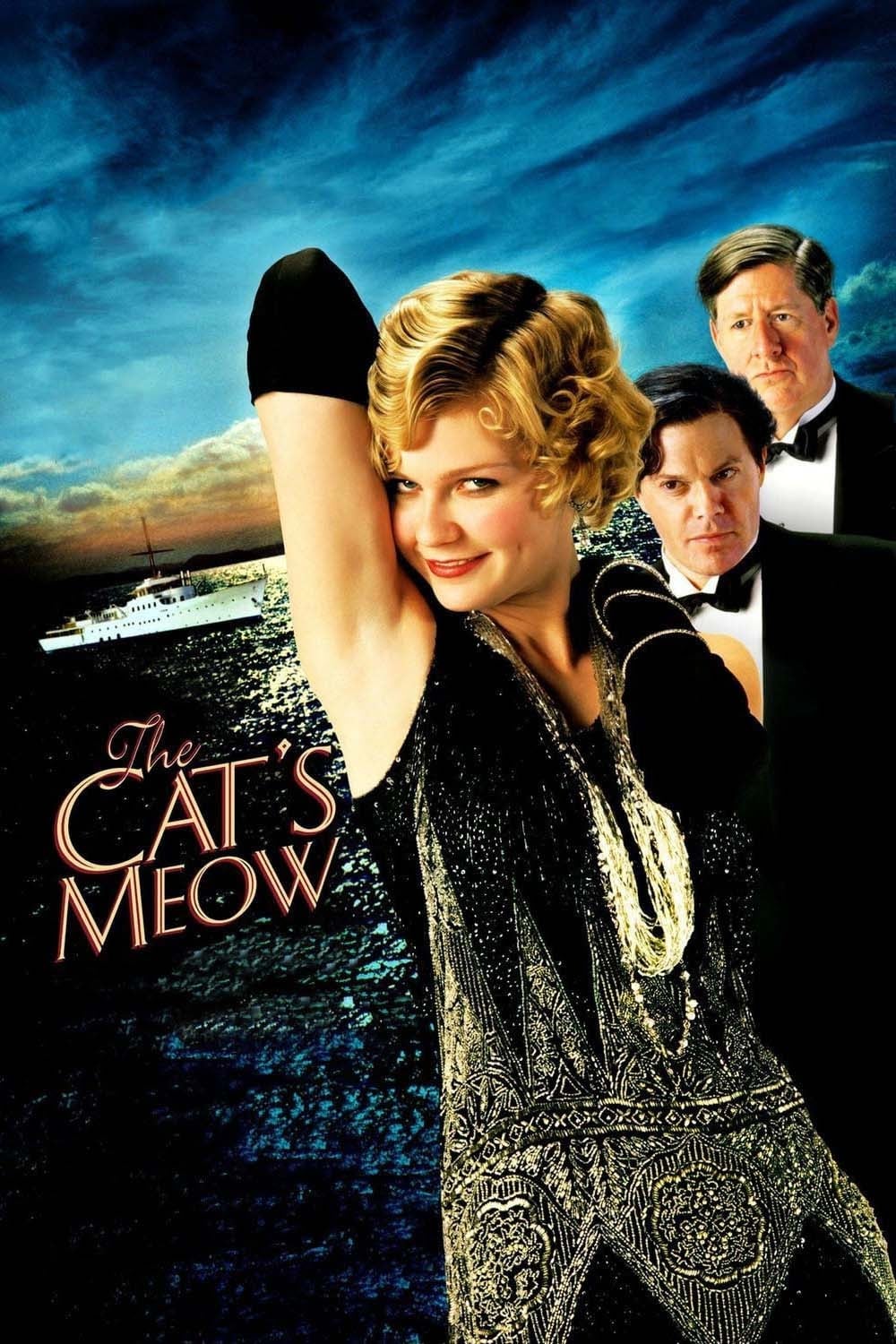
The Cat's Meow
(Silent Movie Director)
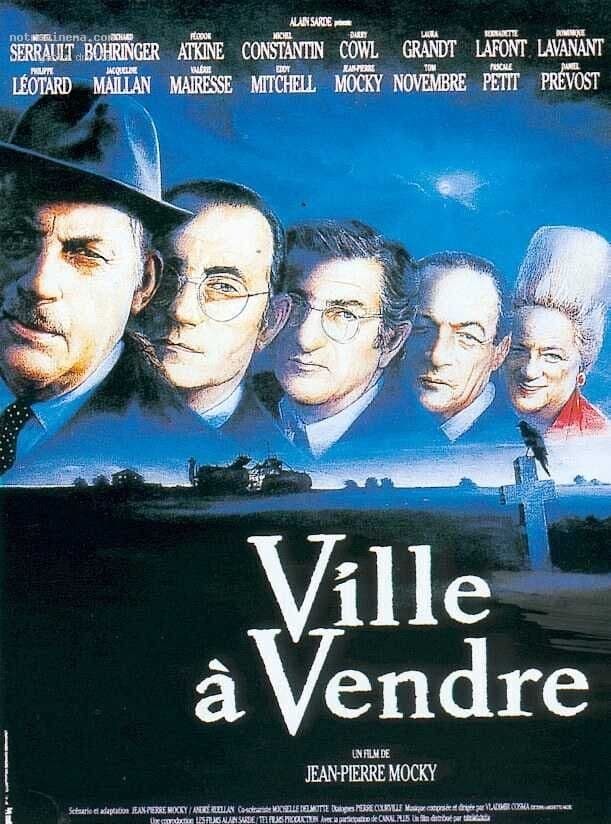
Ville à vendre
(Monnerie)
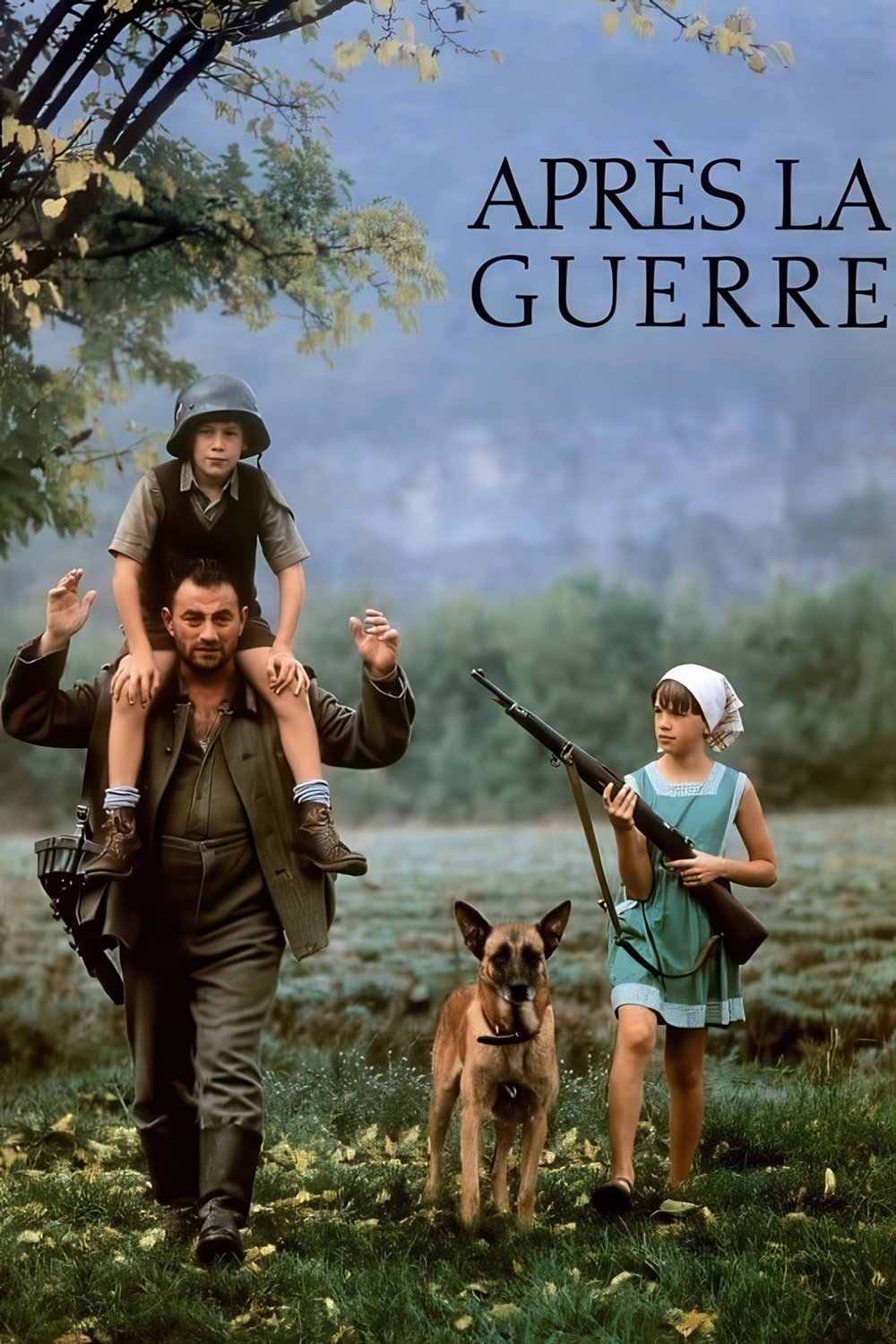
The War Is Over
(Franz-Joseph)
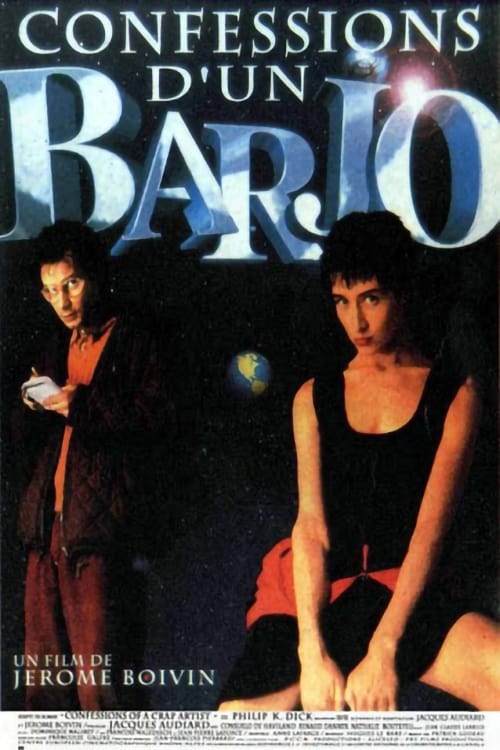
Barjo
(Charles)
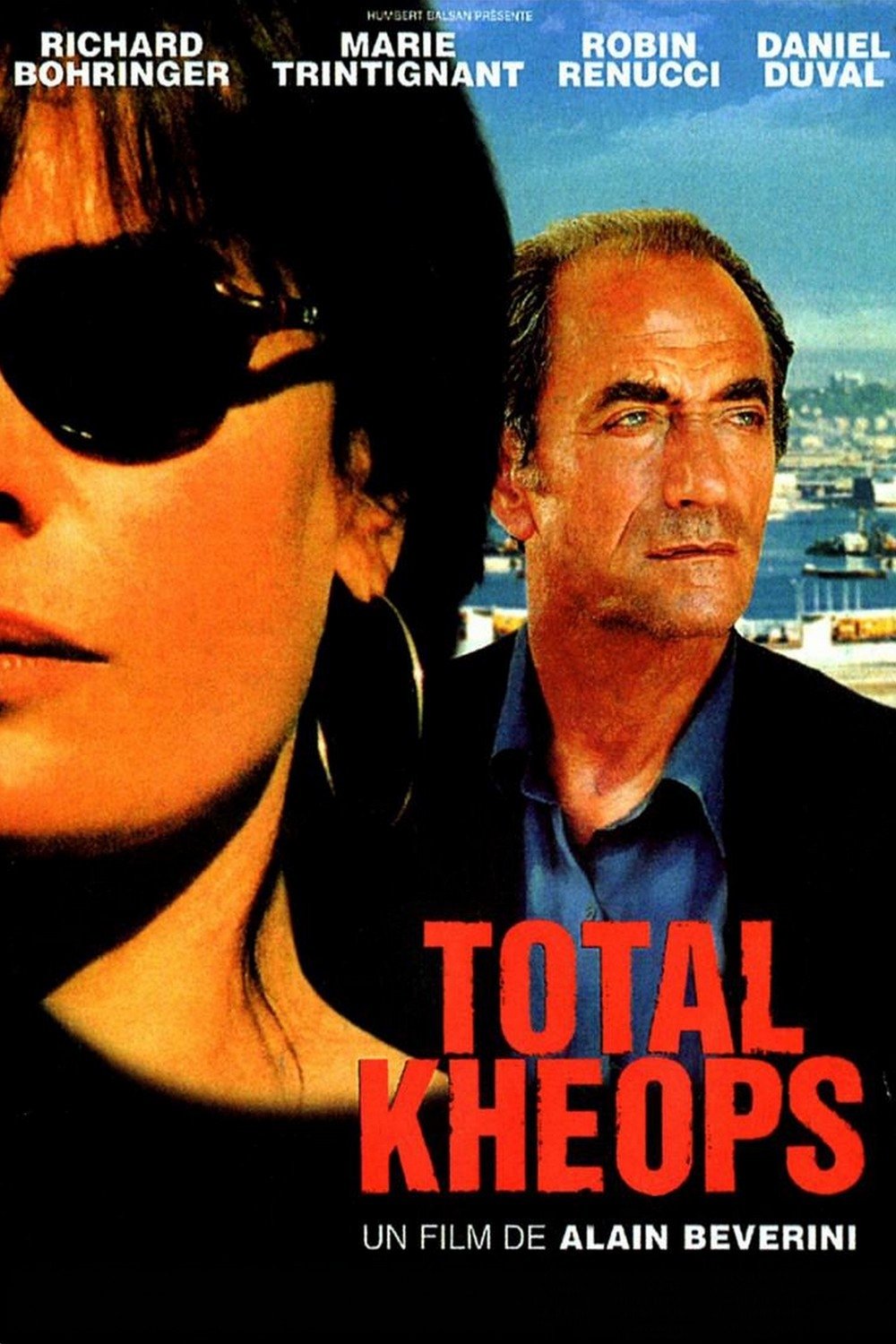
Total Khéops
(Fabio Montale)
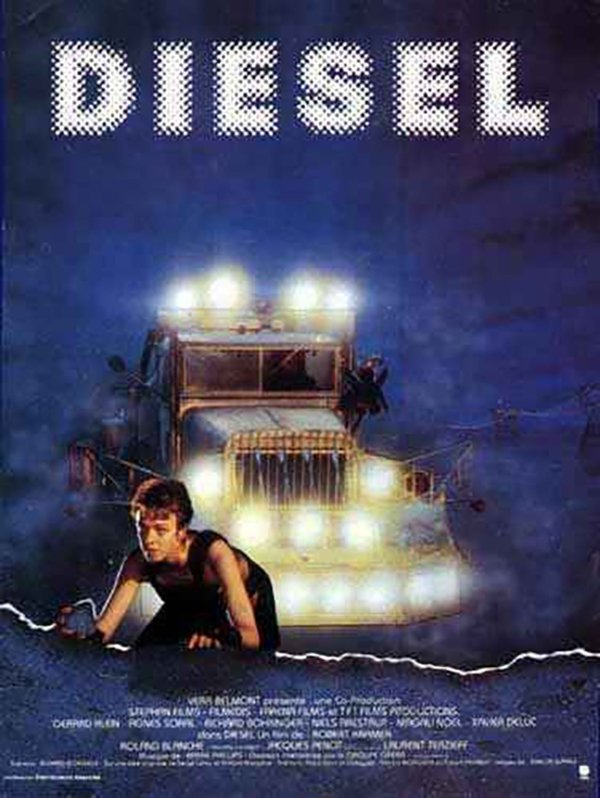
Diesel
(Walter)
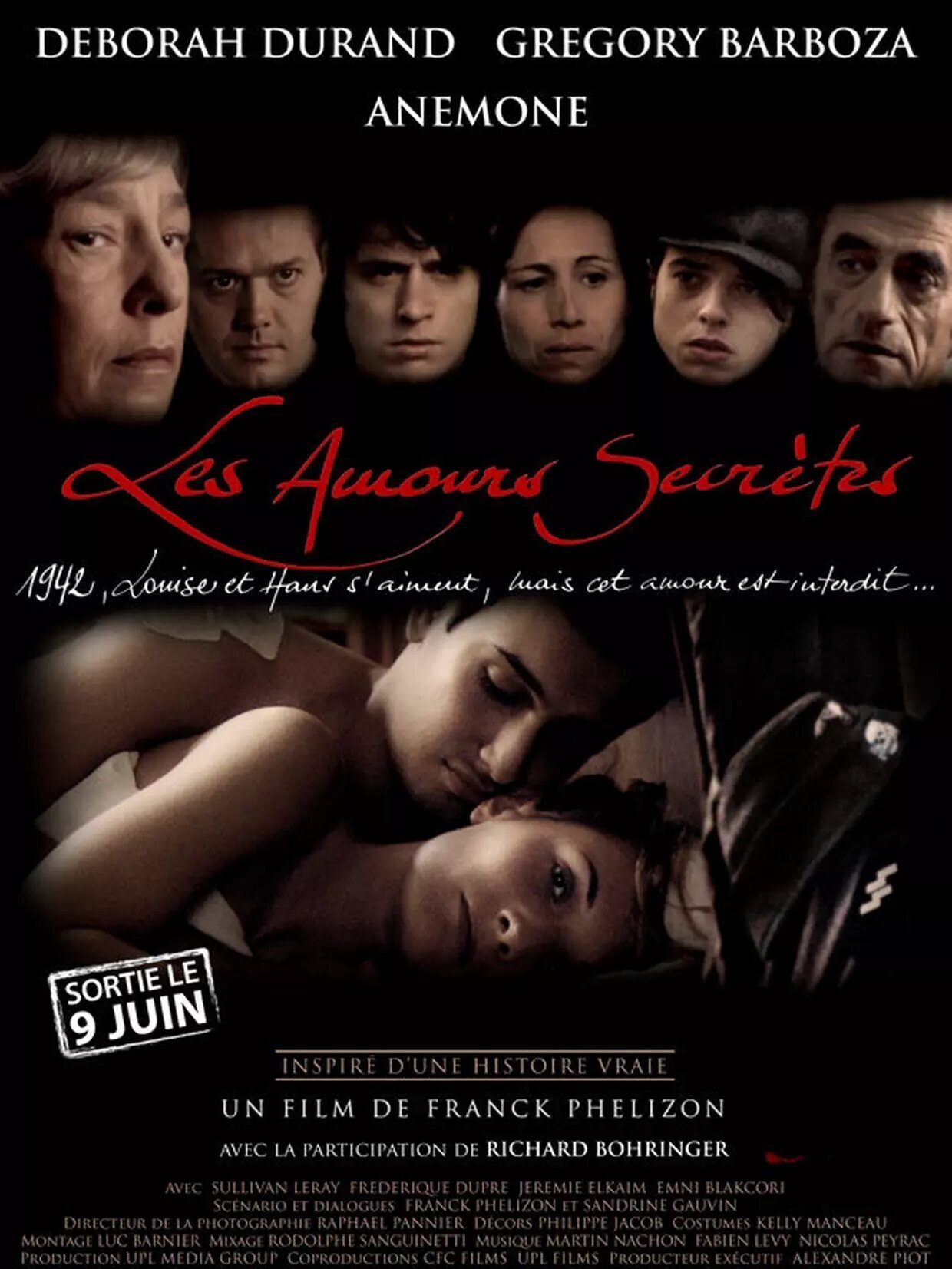
Louise's Diary 1942
(Marcel)
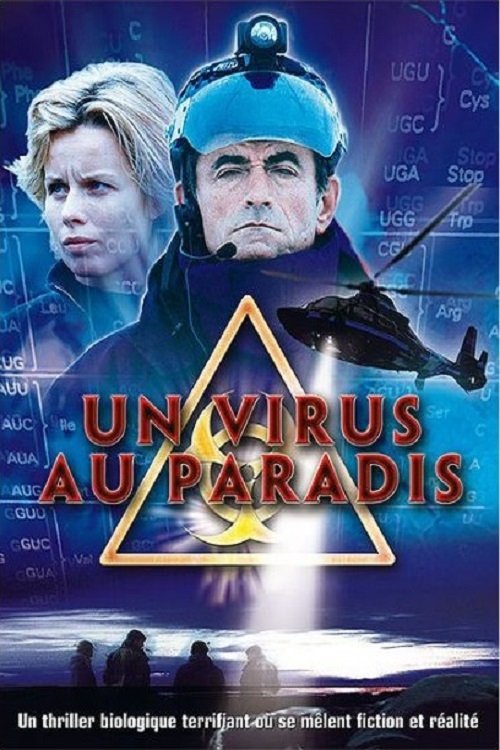
Virus au paradis
(Lucas)
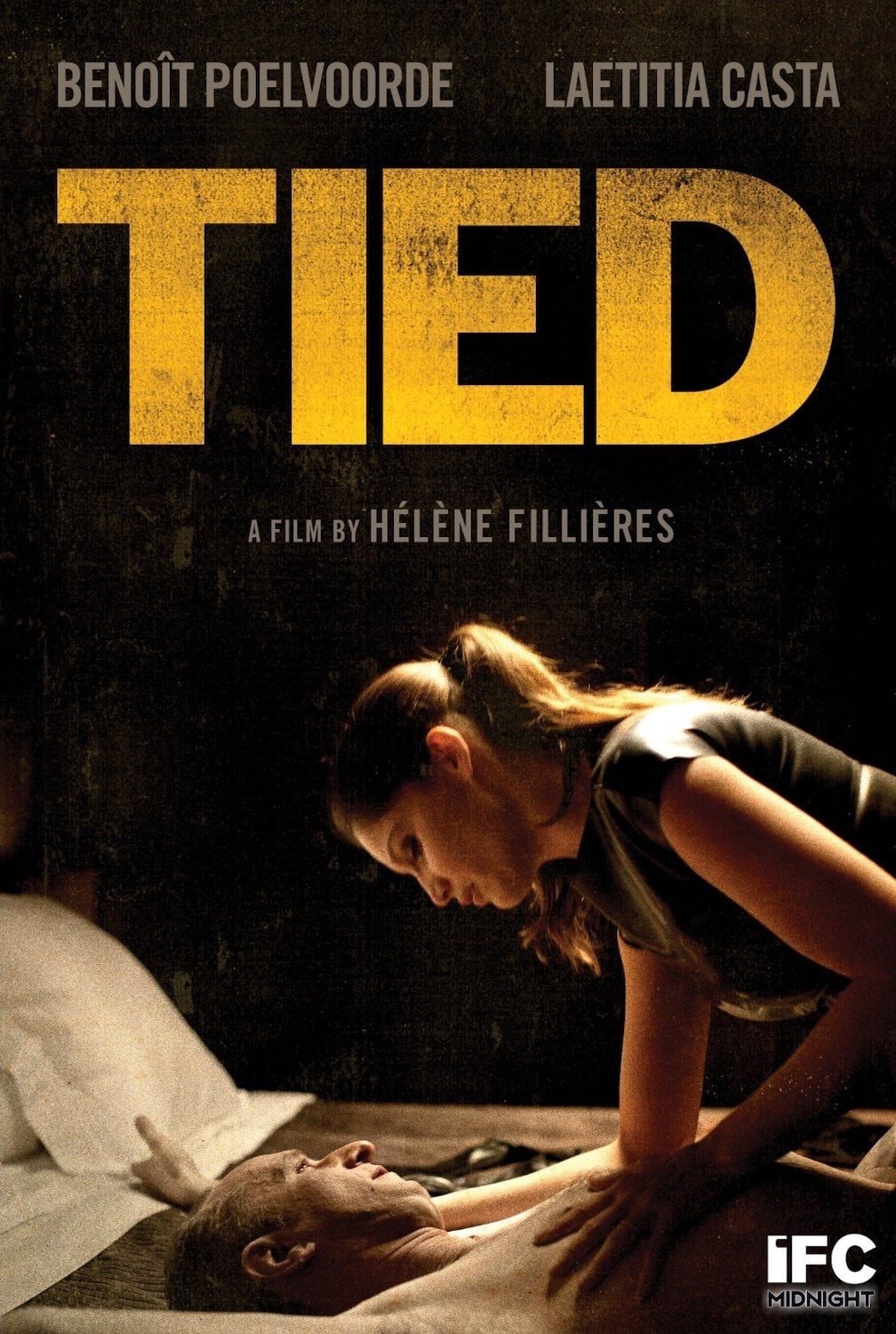
Tied
(Le mari)
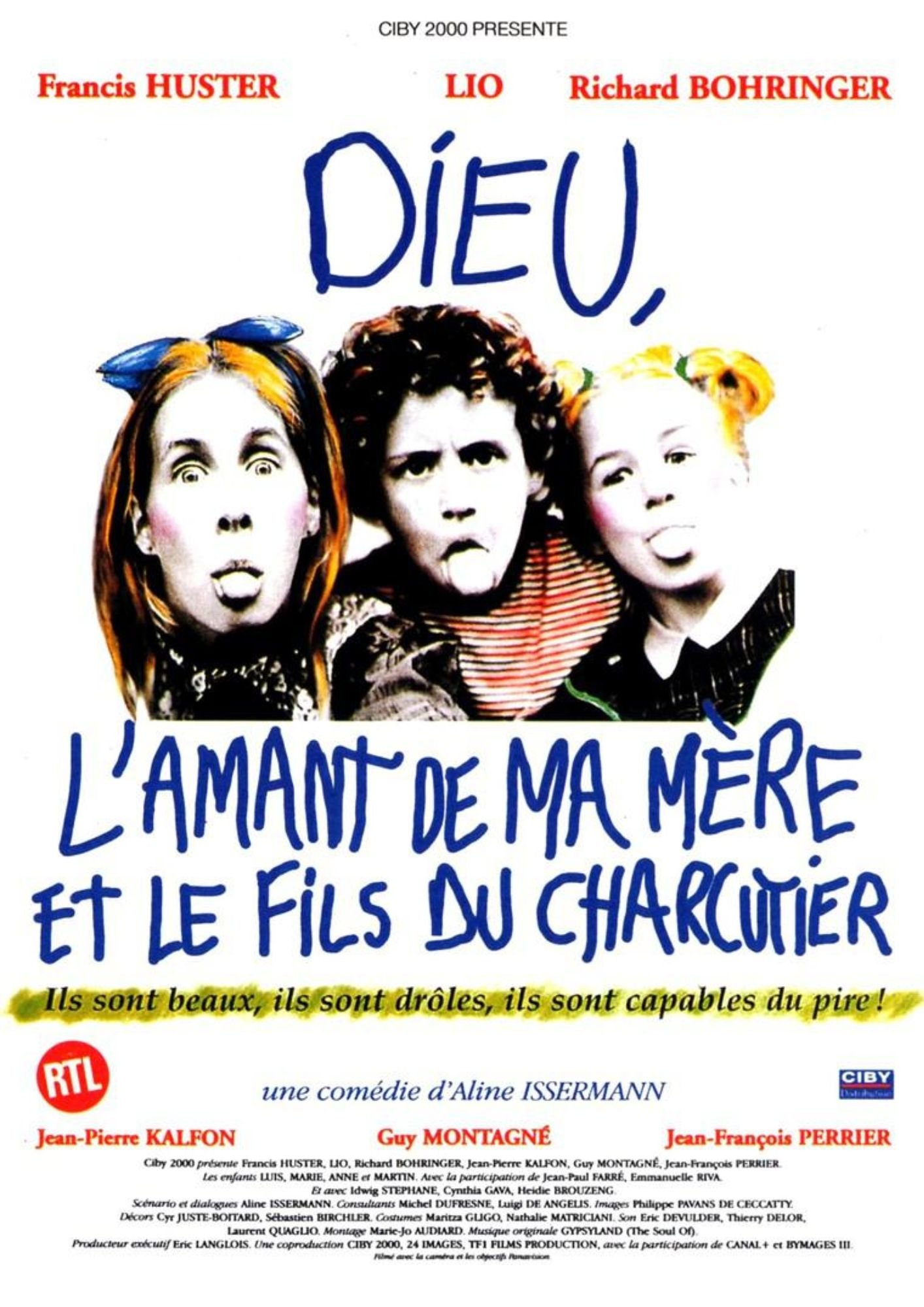
God, My Mother's Lover and the Butcher's Son
(Serge)
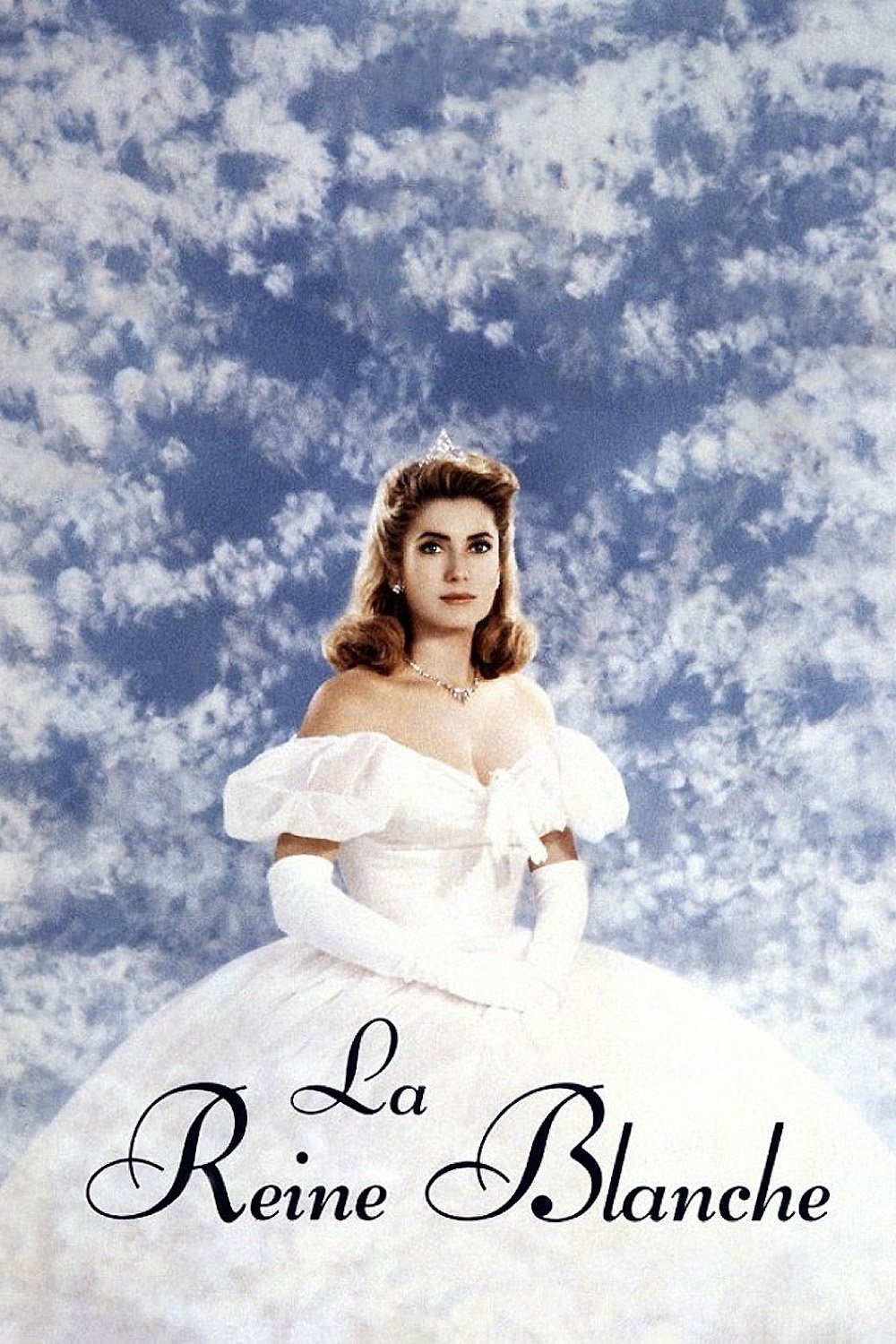
The White Queen
(Jean Ripoche)
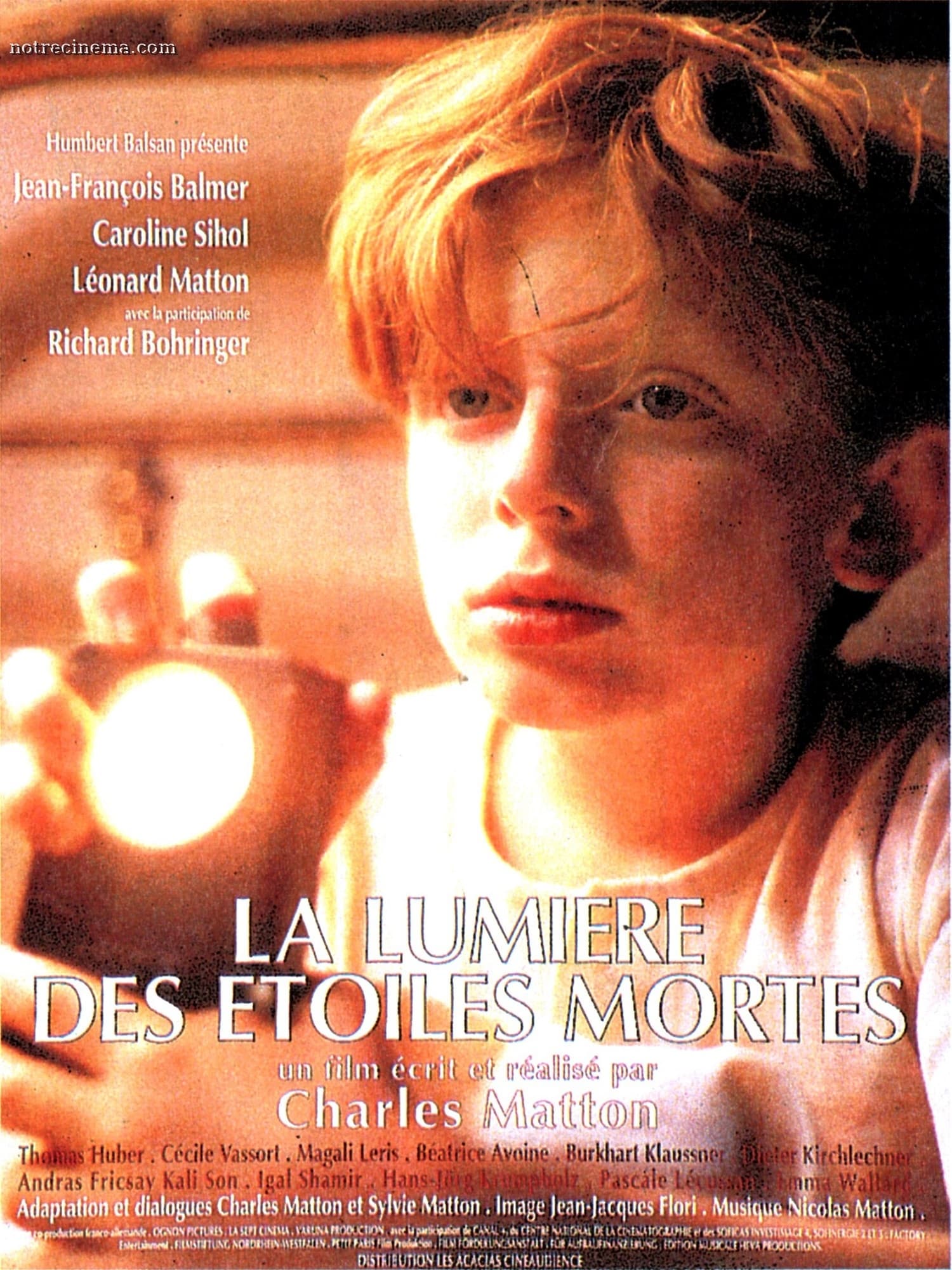
La Lumière des étoiles mortes
(Beyerath)
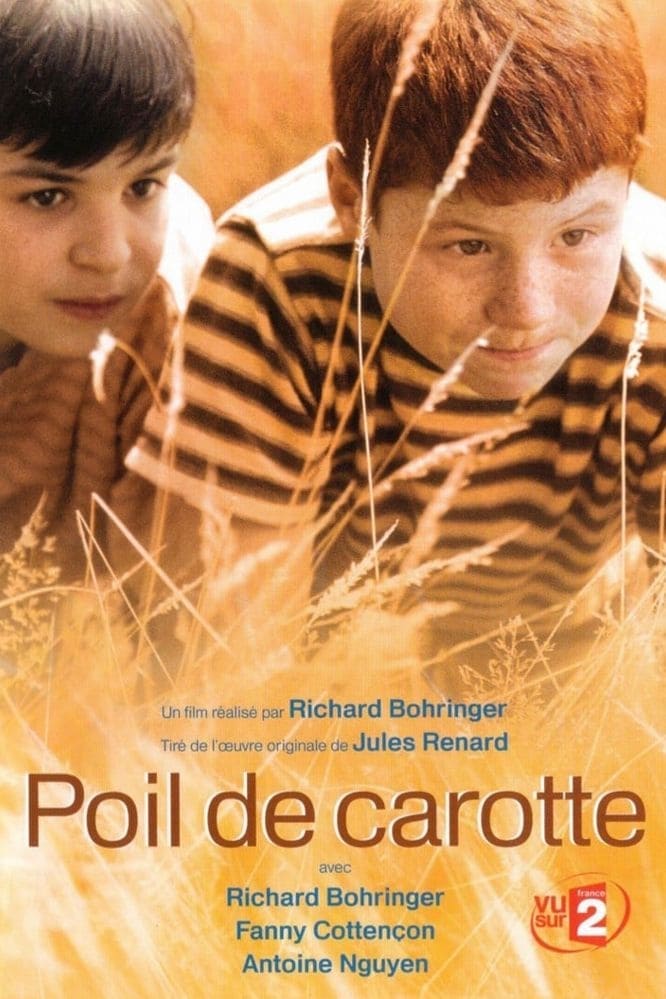
Carrot Top
(Monsieur Lepic)
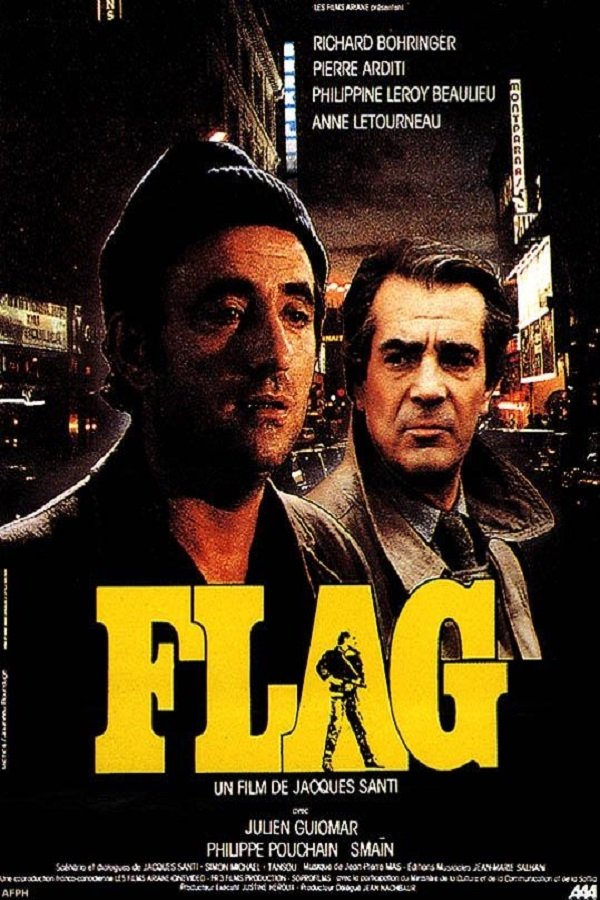
Flag
(Inspecteur Simon)
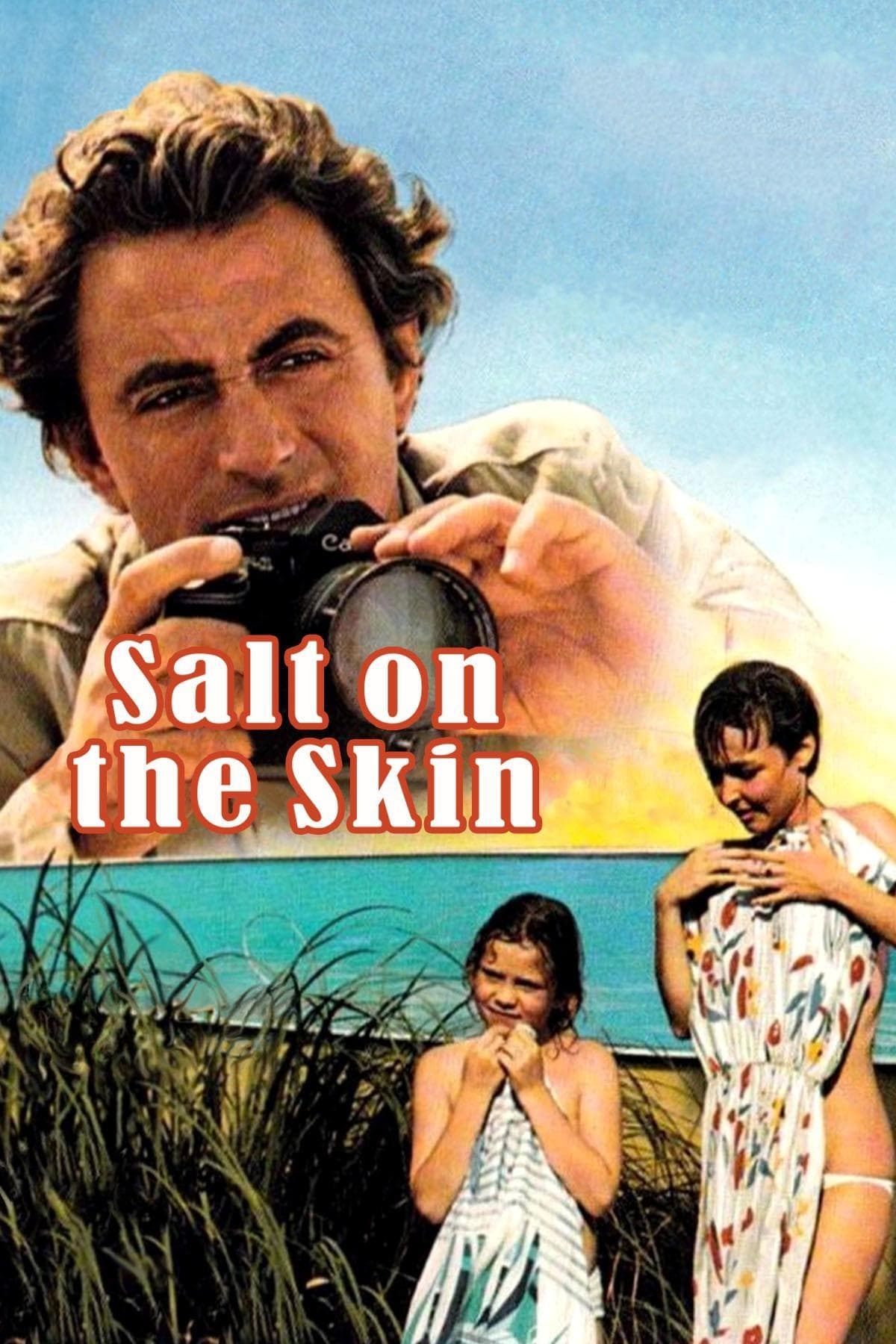
Salt on the Skin
(Julien)
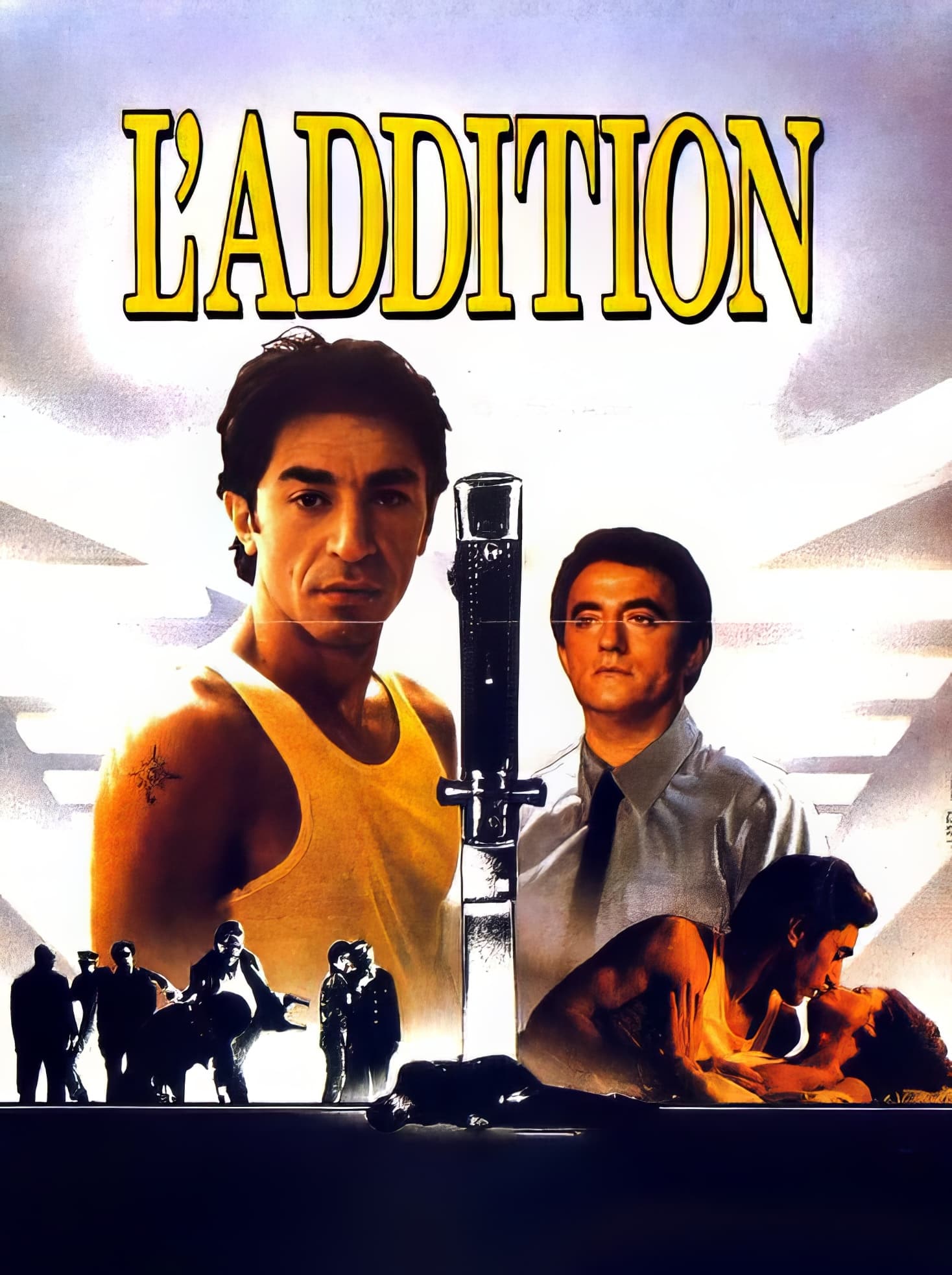
L'Addition
(Lorca)
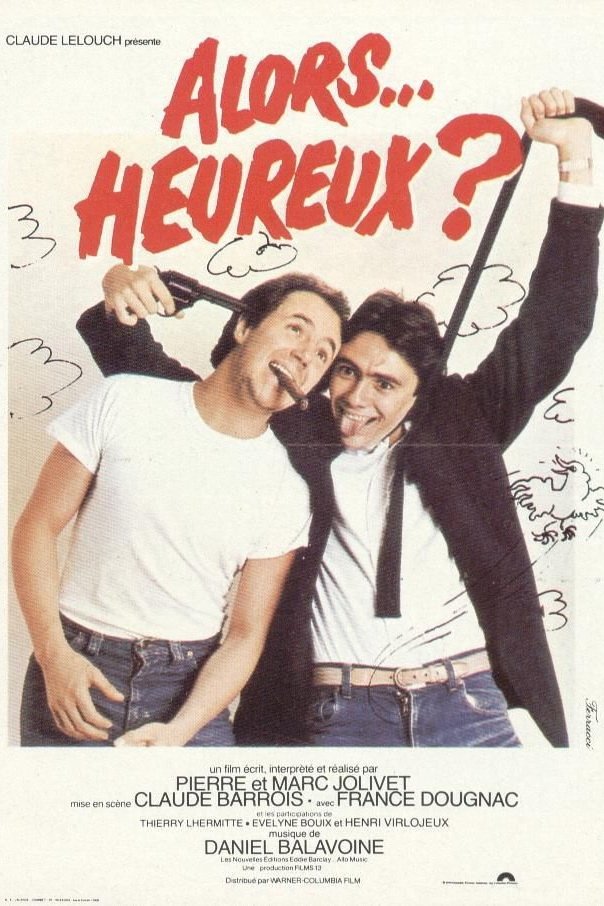
Alors... Heureux ?
(Le médecin-chef)
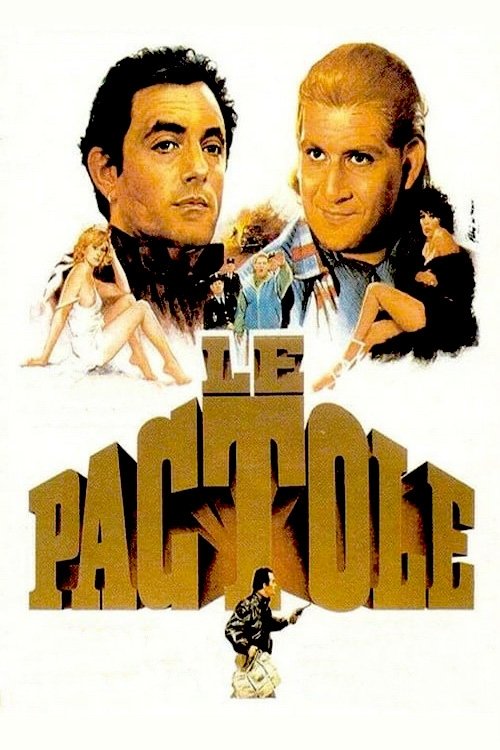
Le Pactole
(Yves Beaulieu)
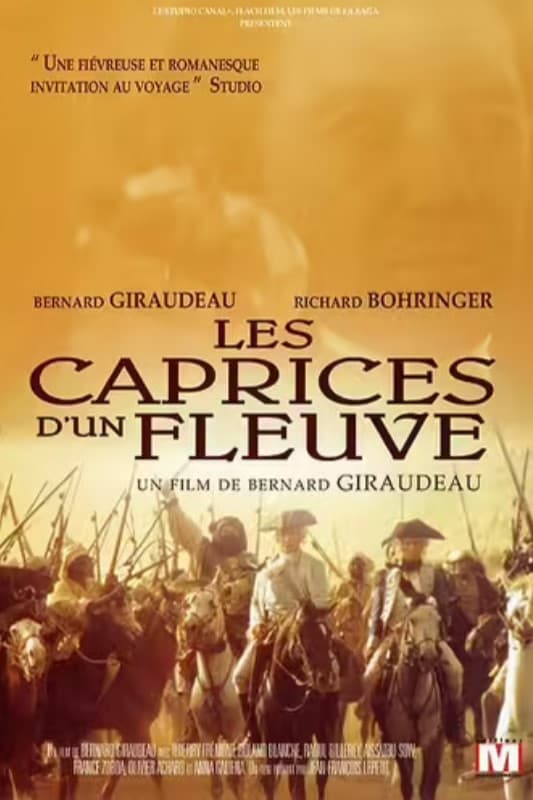
Unpredictable Nature of the River
(Le commandant de Blanet)
Lucky Punch
(Abel Ginoux)
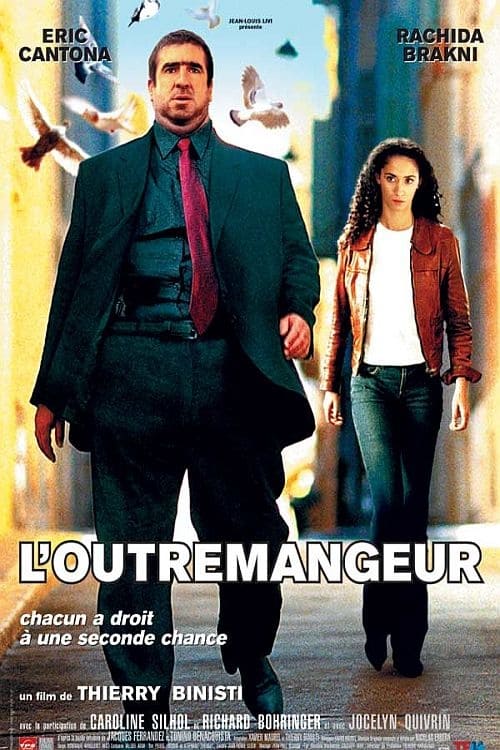
The Overeater
(Émile Lachaume)
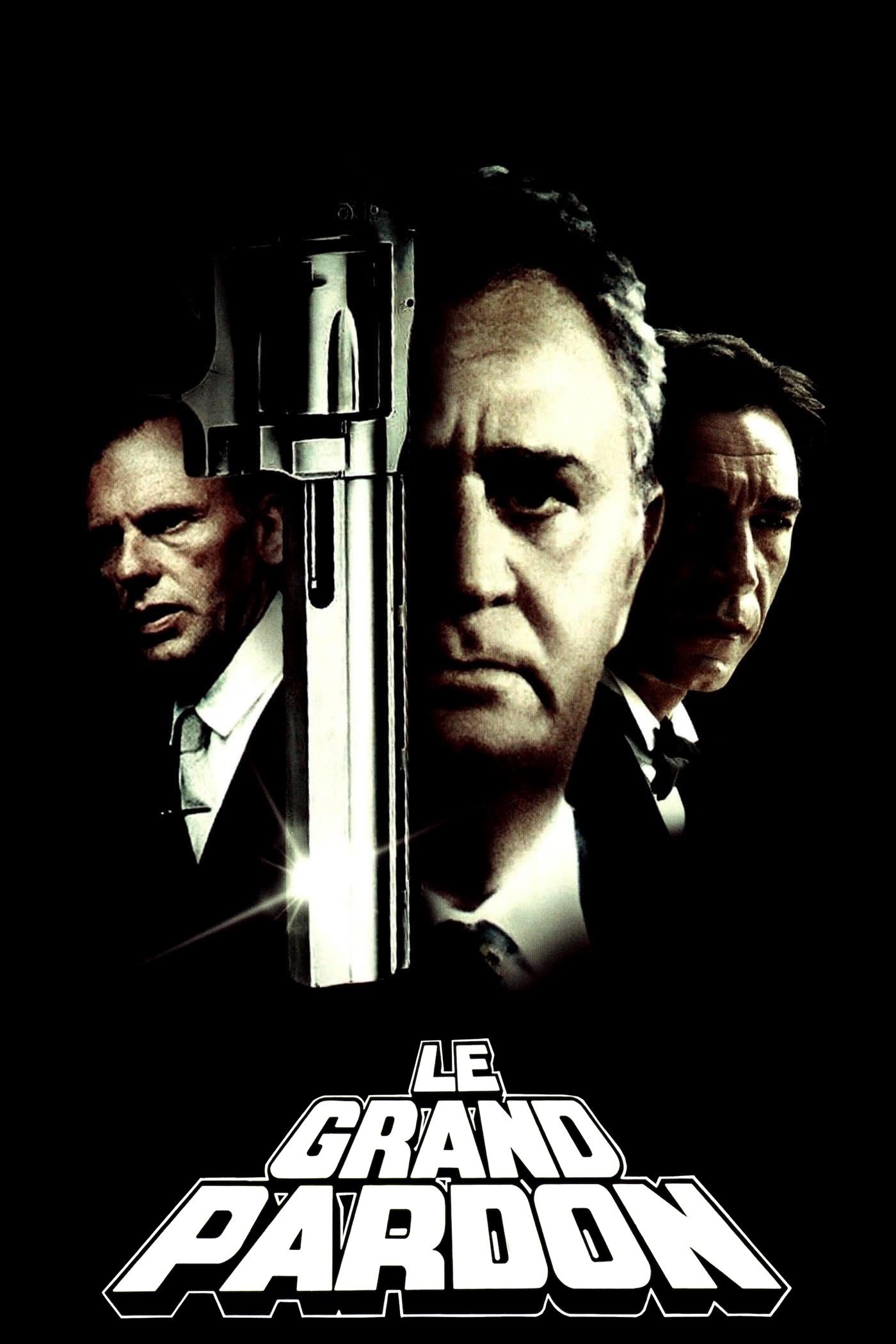
The Big Pardon
(Le Sacristain)
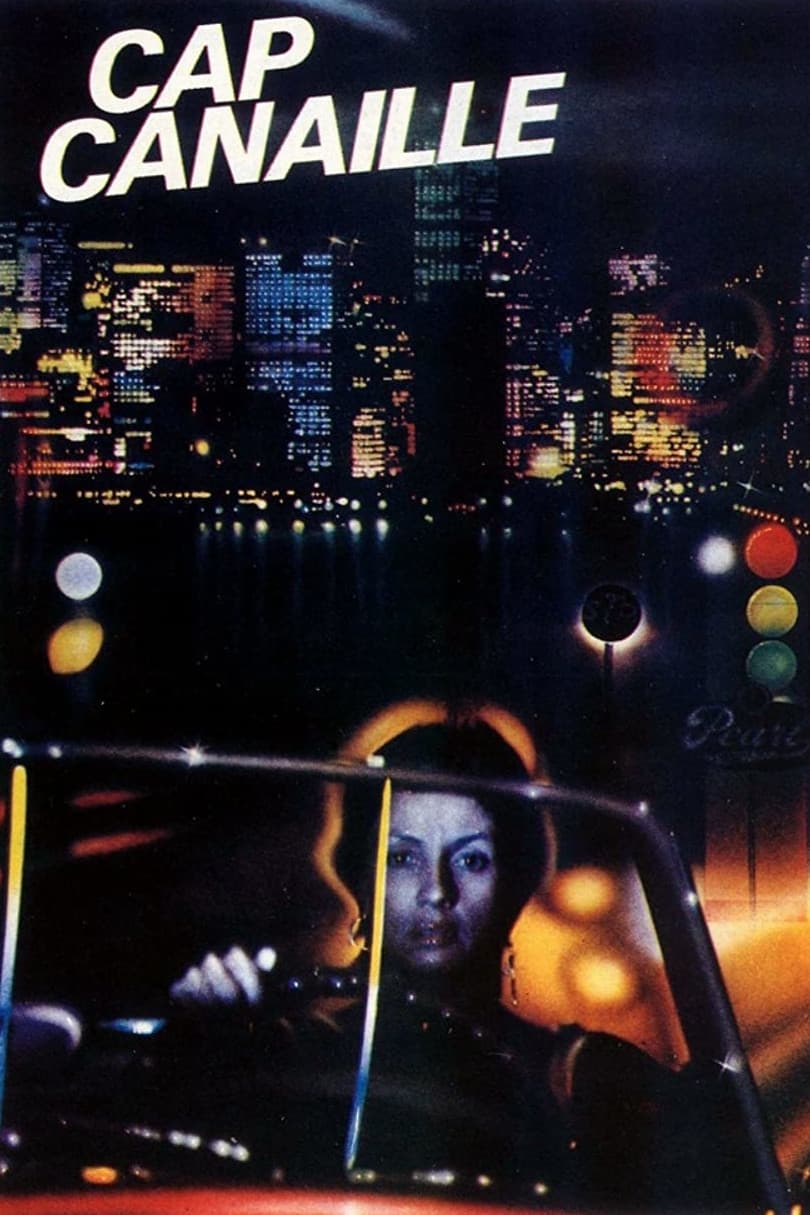
Cap Canaille
(Robert Vergès)

Le Destin de Juliette
(Marcel)
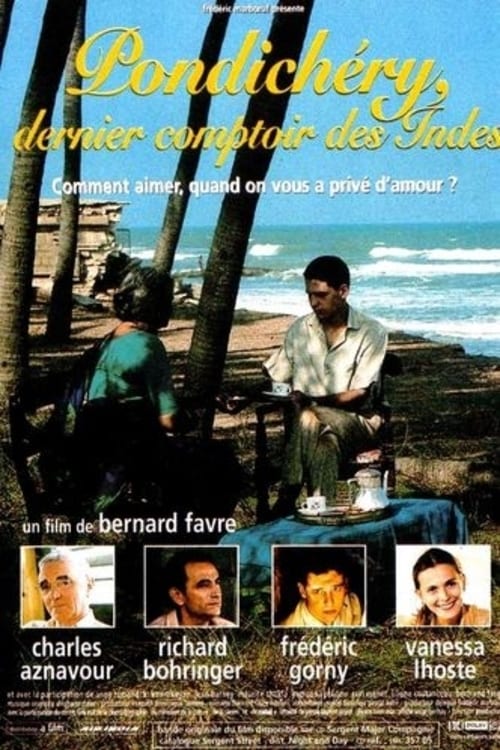
Last Trading Post in India
(André Charvin)
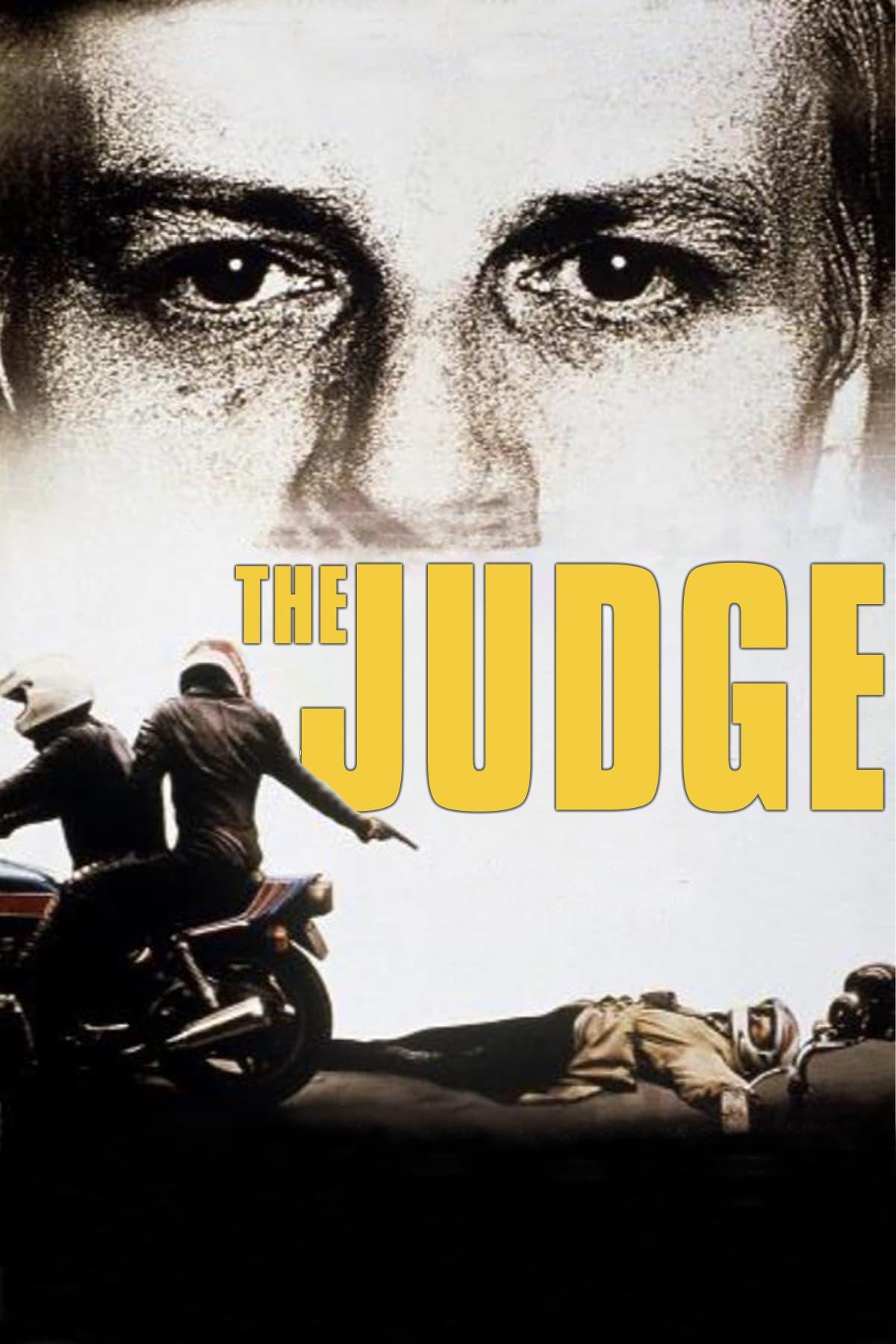
The Judge
(Le commissaire Lucien Innocenti)
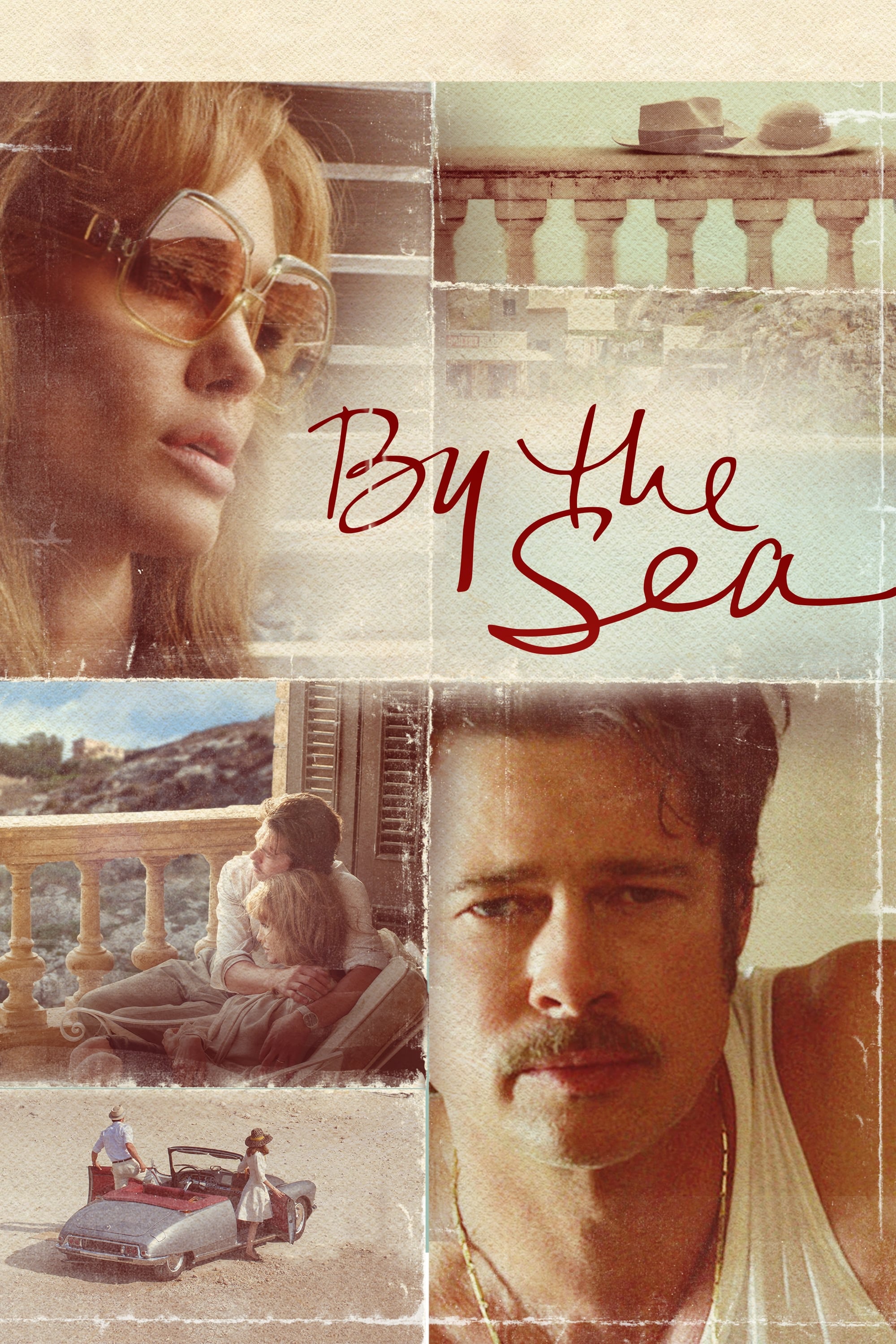
By the Sea
(Patrice)
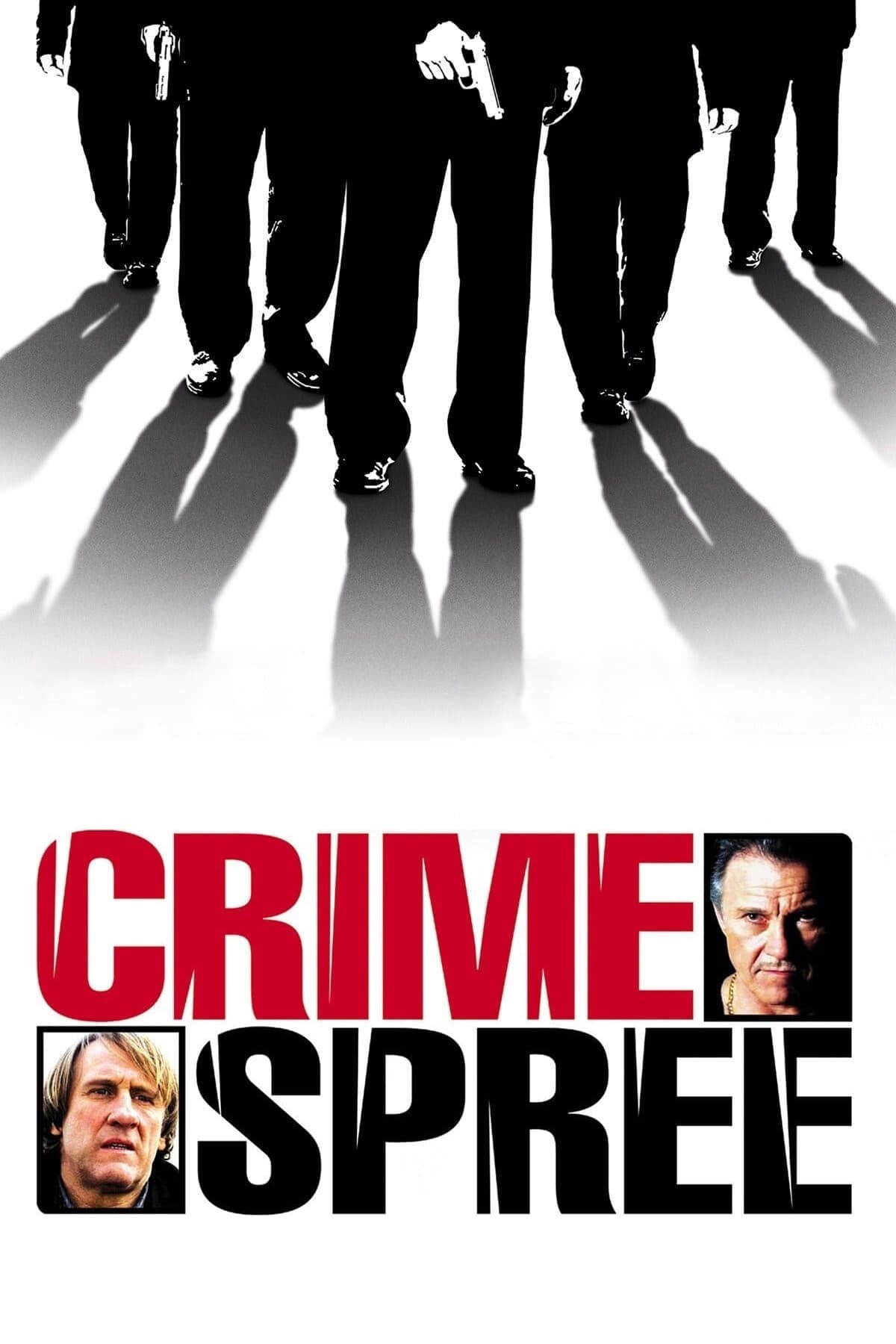
Crime Spree
(Bastaldi)
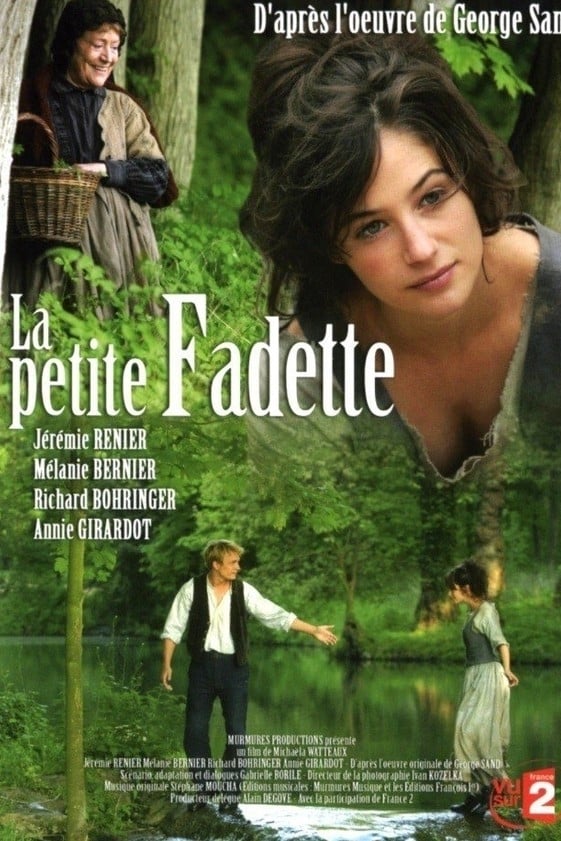
La Petite Fadette
(le père Barbeau)
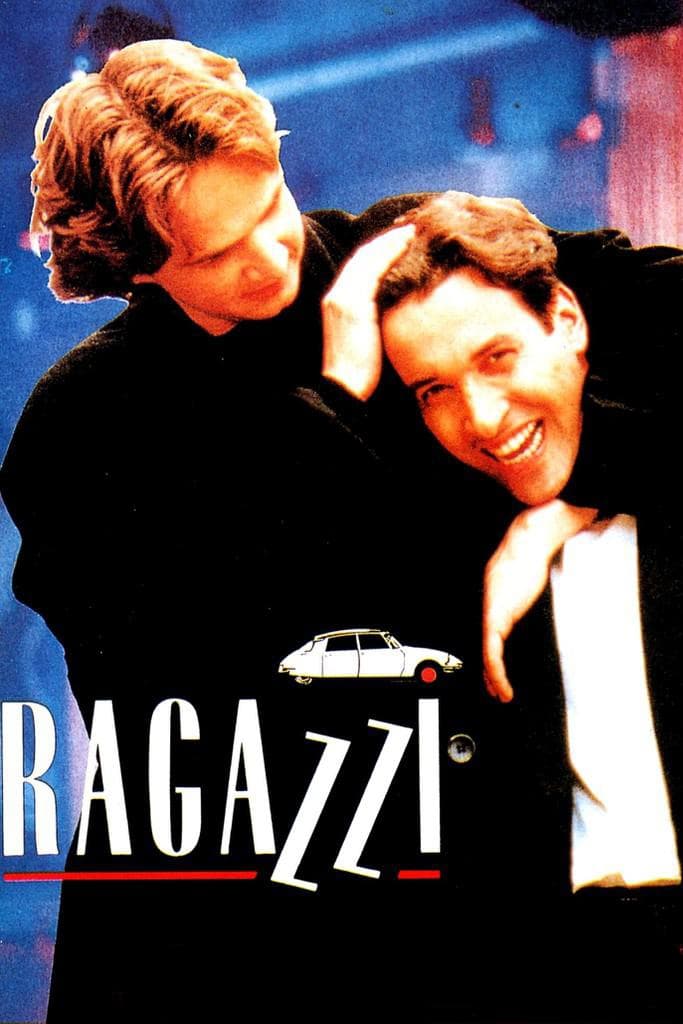
Ragazzi
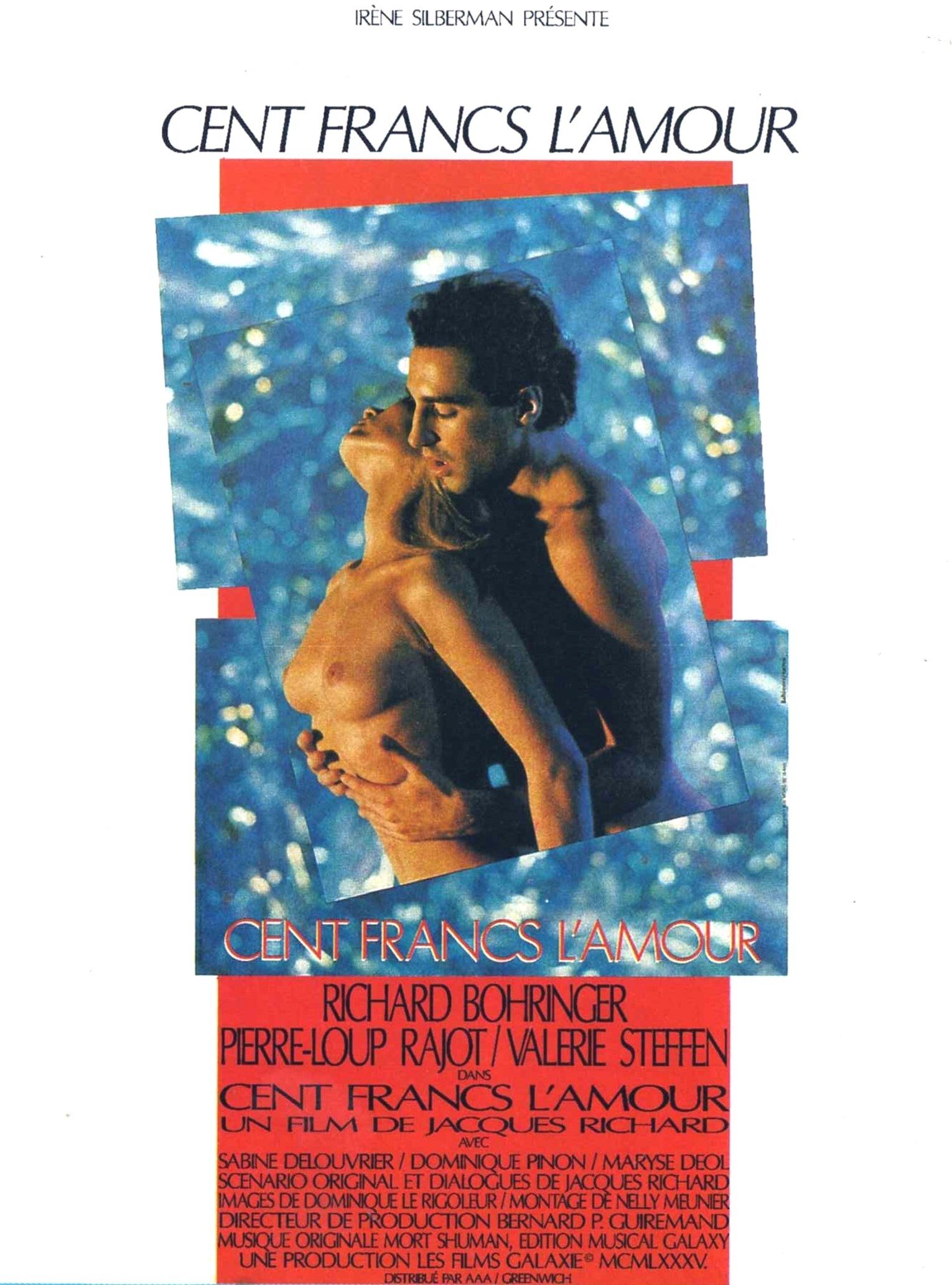
Cent francs l'amour
(Maurice Mainfroy)
The Conquistadores
(Jean-Pierre)
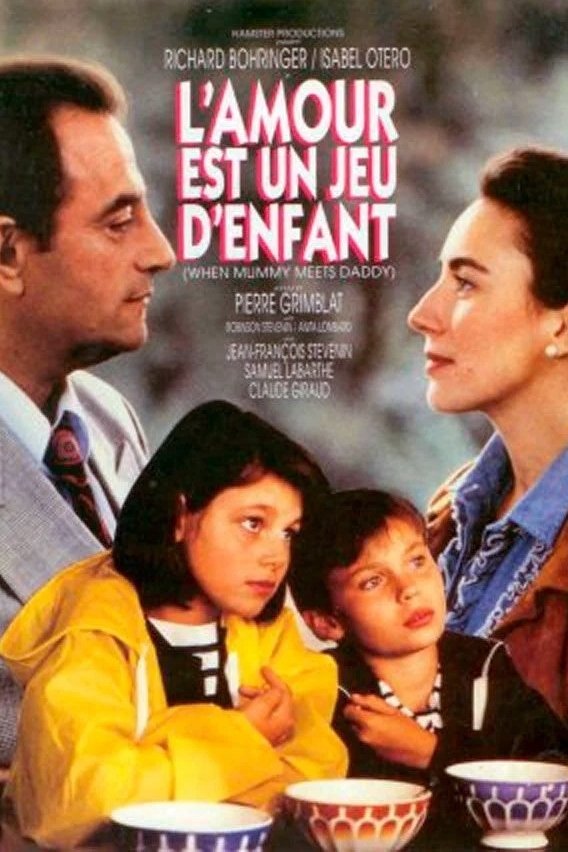
L'amour est un jeu d'enfant
(Didier Ancelot)
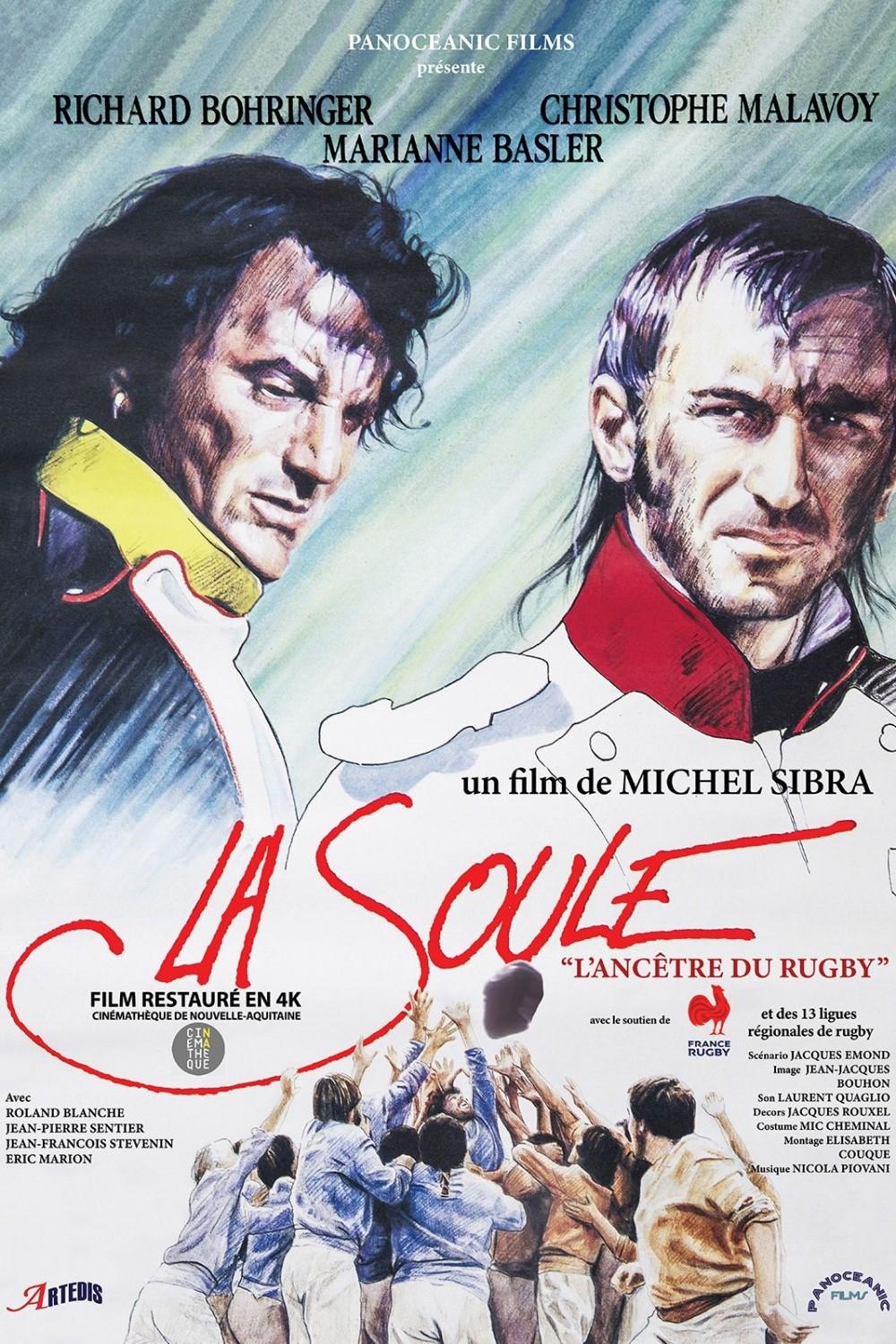
La soule
(le sergent François Lemercier)
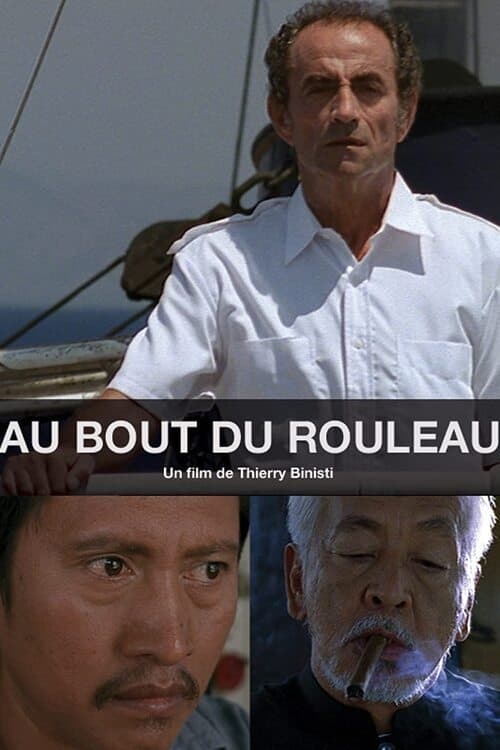
Au bout du rouleau
(Captain Henri Gallien)
Pablo Est Mort
(Lambert)
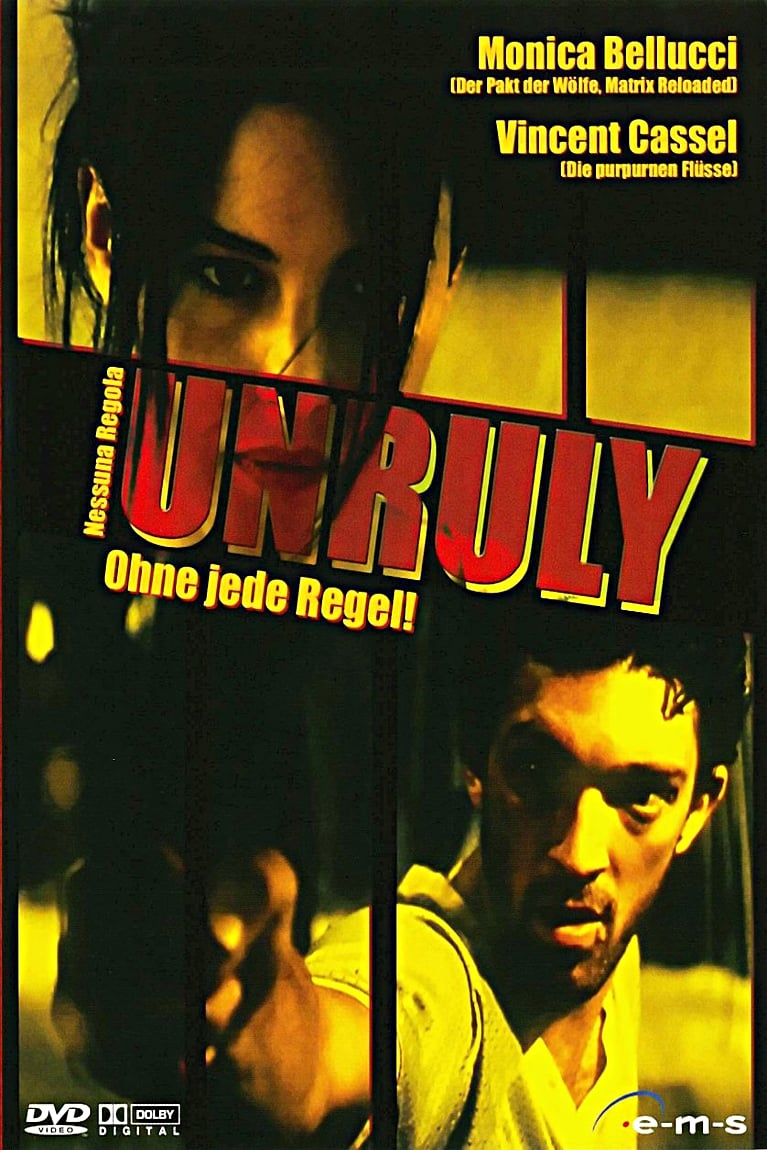
Unruly
(Ramirez)
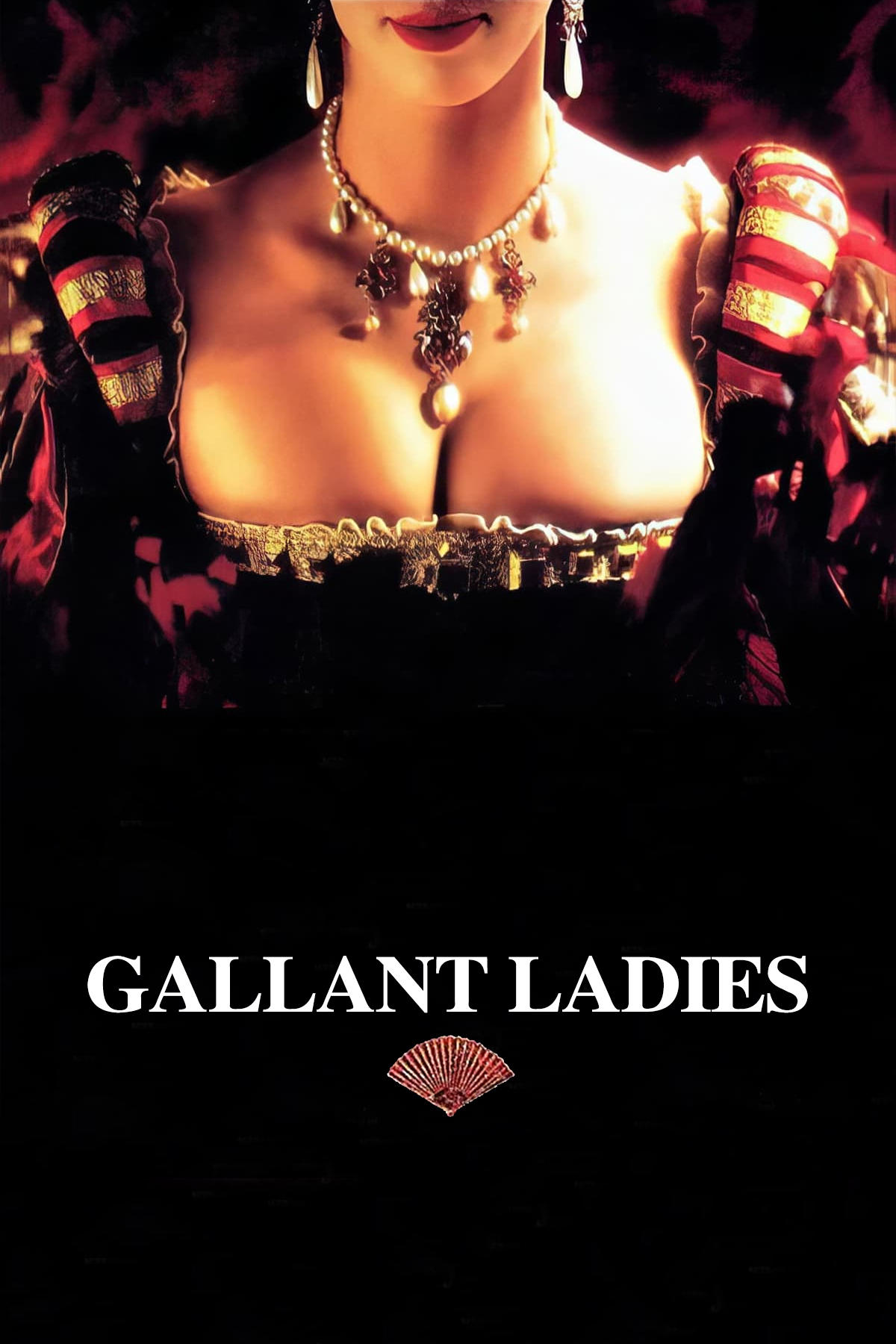
Gallant Ladies
(Brantôme)
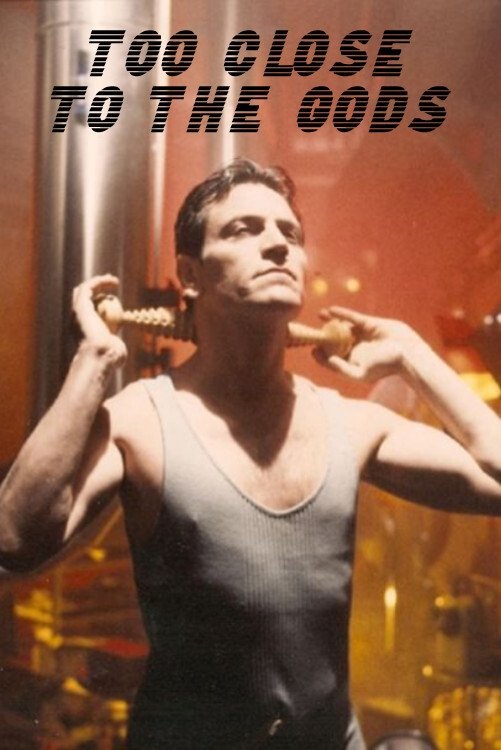
Too Close to the Gods
(Ramses)
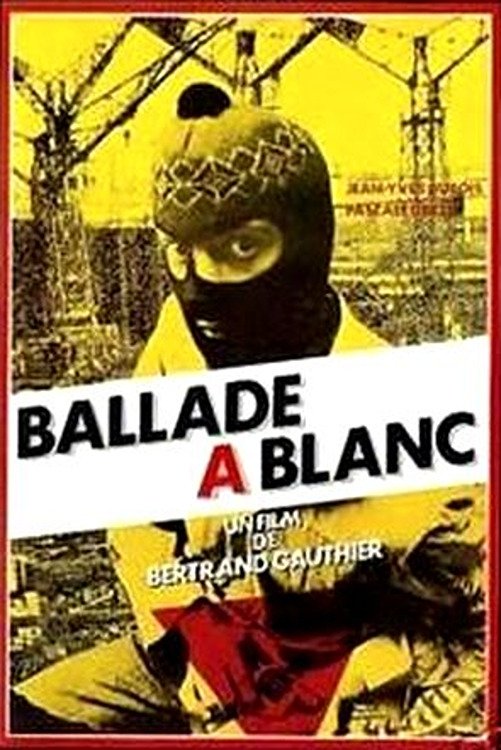
Ballade à blanc
(Jean-Paul / Riquita)
Transit
(François Cremer)
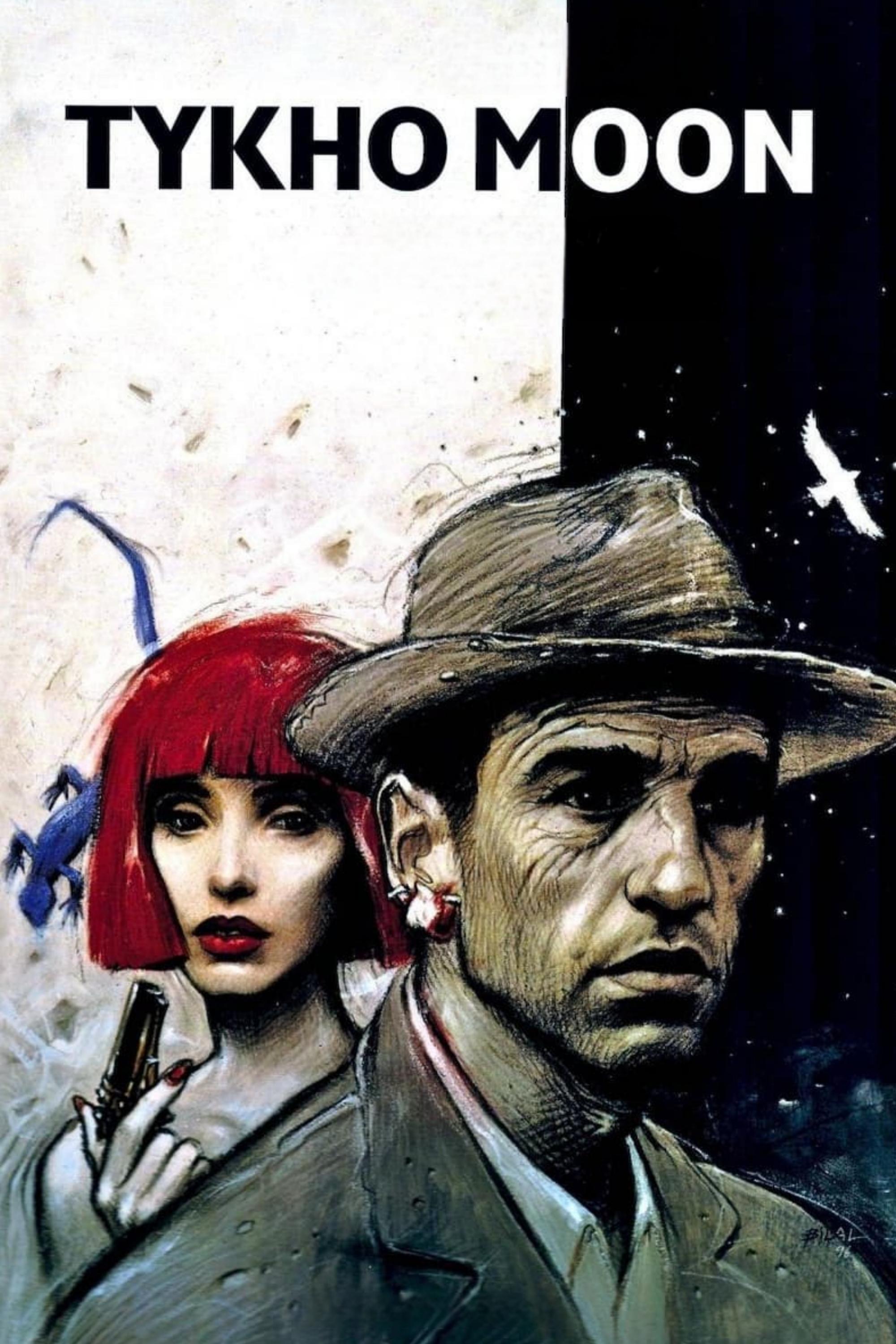
Tykho Moon
(Glenbarr)
La pomme ou L'histoire d'une histoire
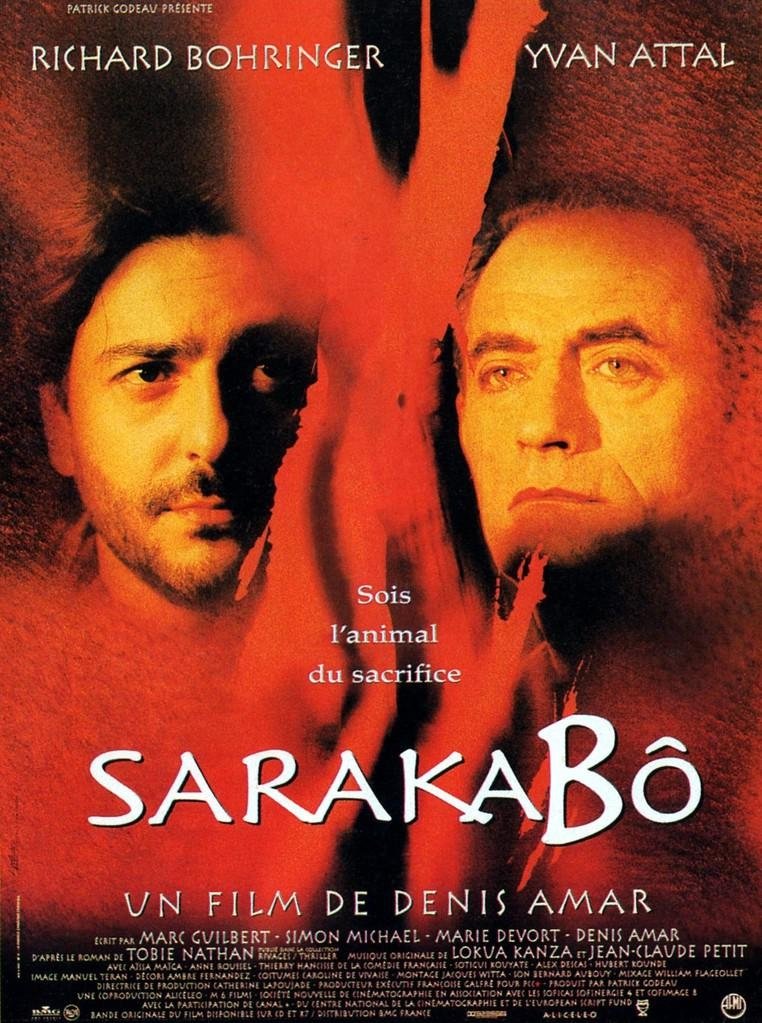
Saraka Bo
(Commissioner Diamond)
Lebanon, the Land of Honey and Incense
(Morin)
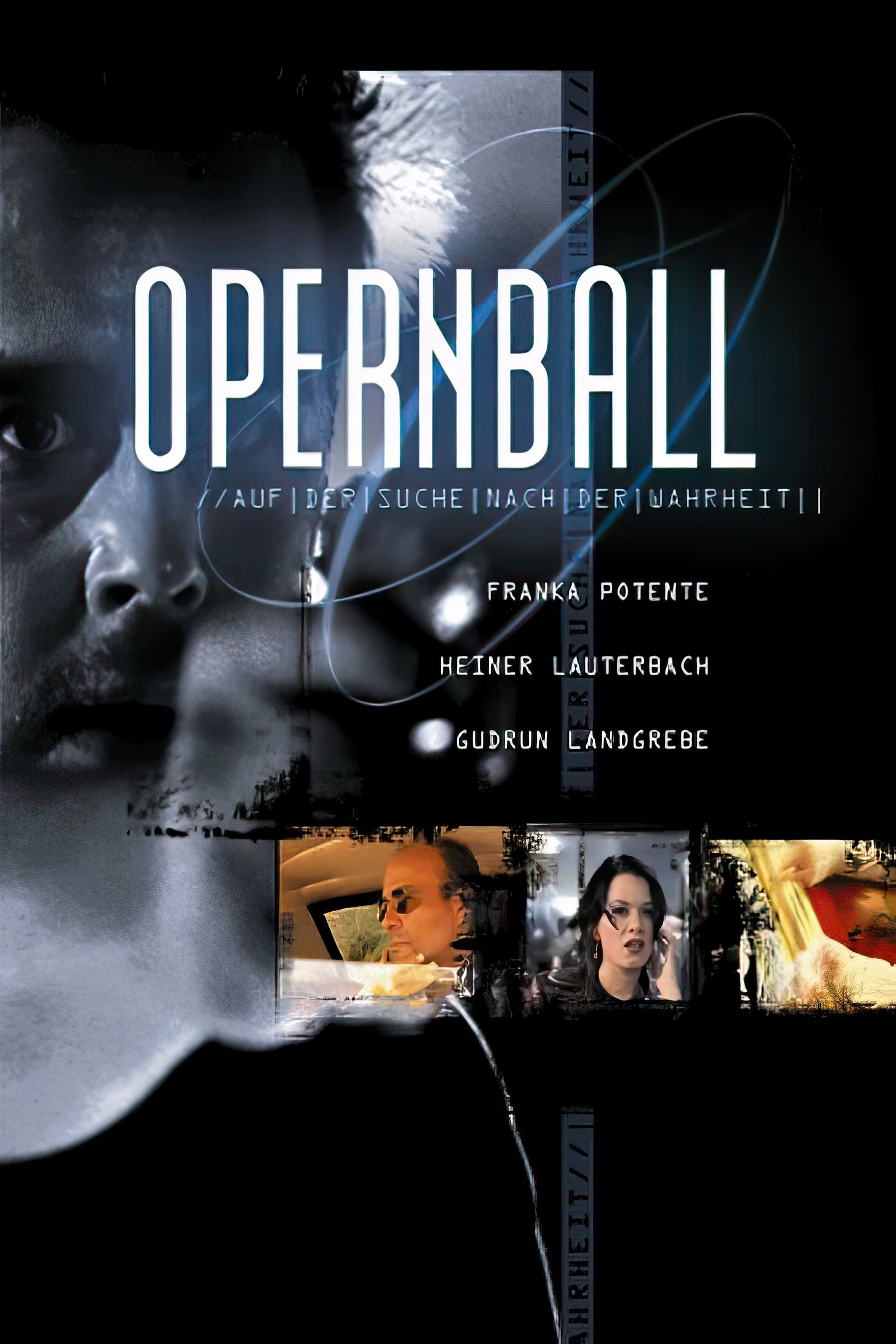
Opera ball
(Michel Reboisson)
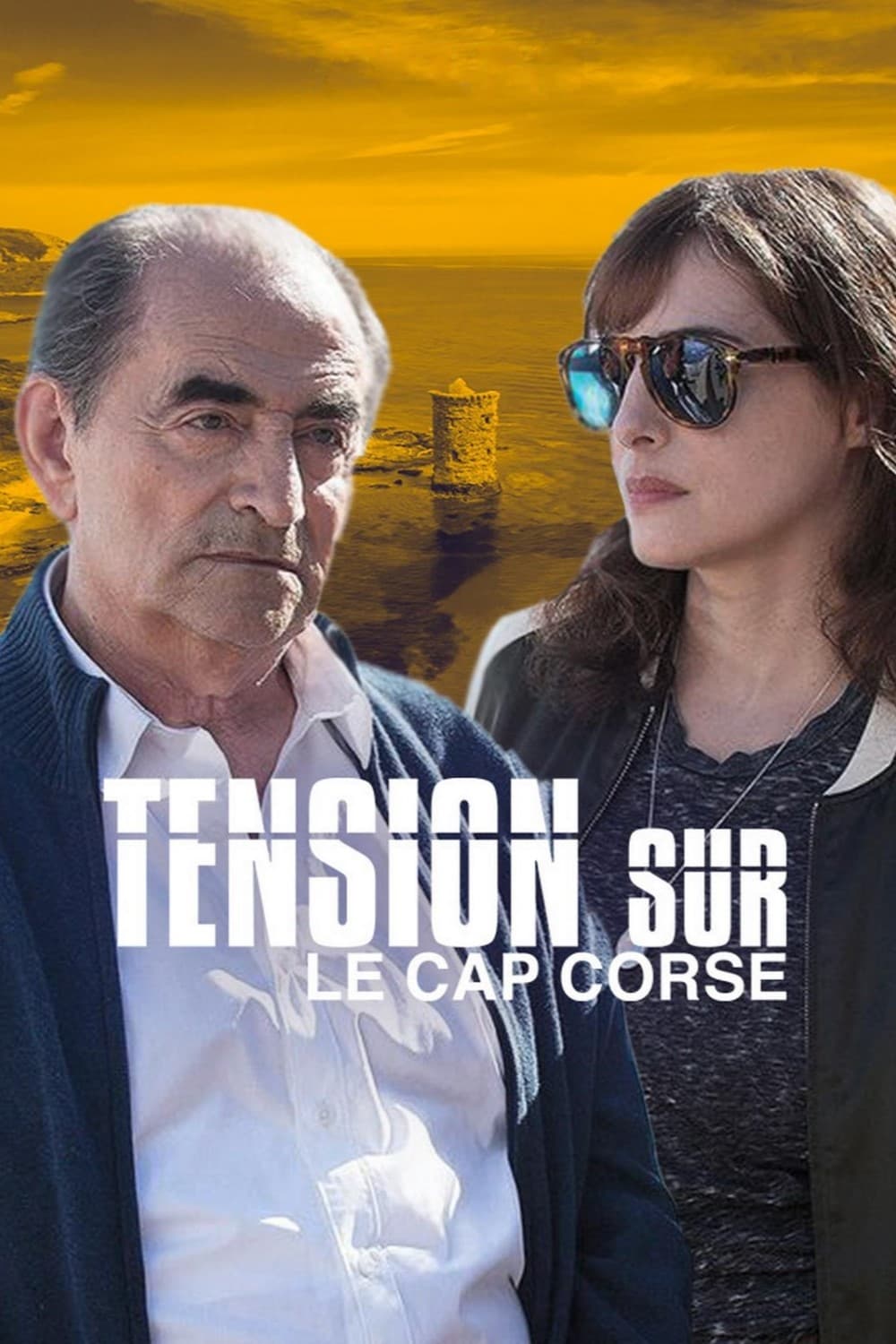
Murder in Bastia
(Xavier Monti)
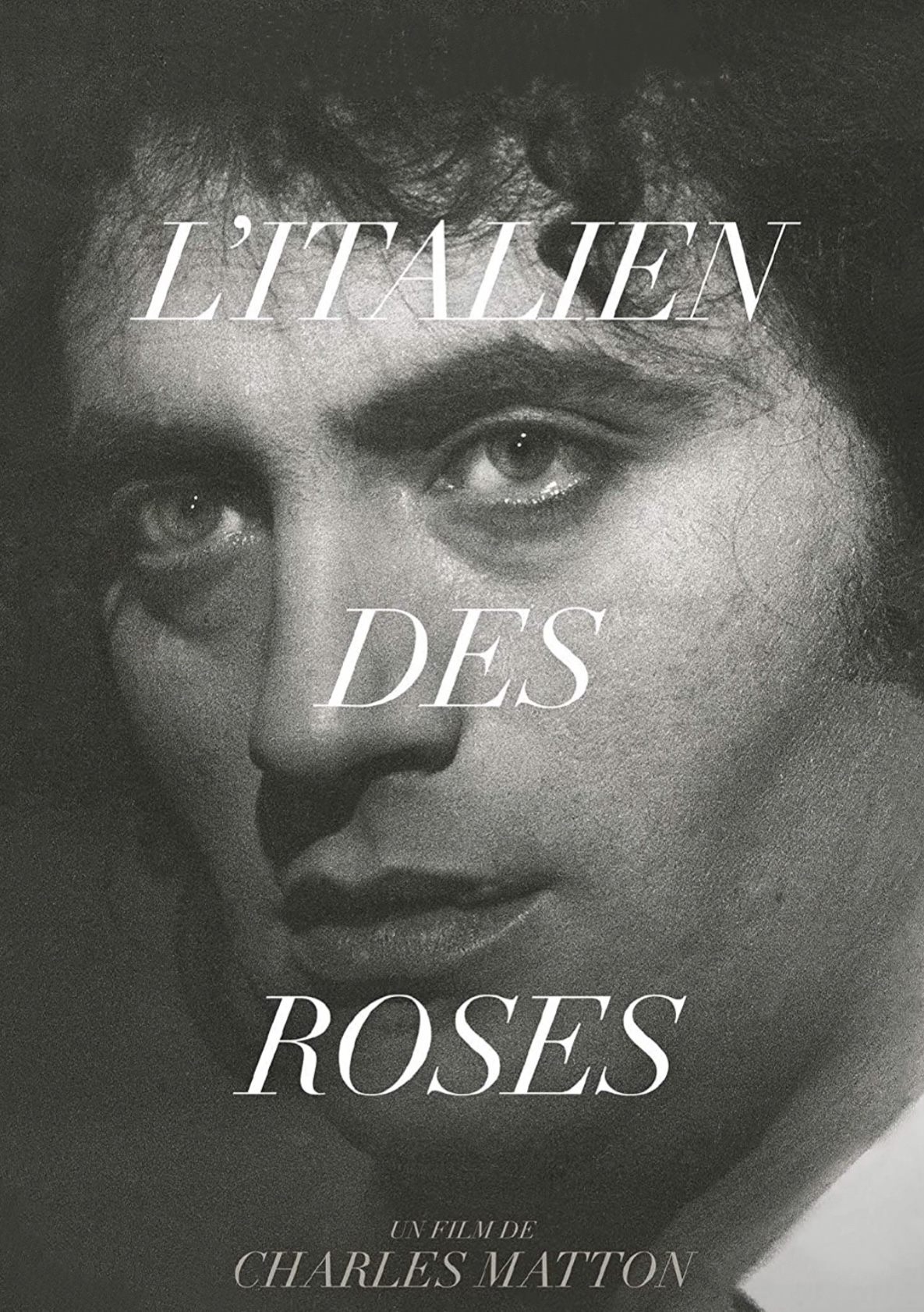
The Italian of the Roses
(Raymond Menardi, the Italian)

Sunday's Illness
(Matthieu)
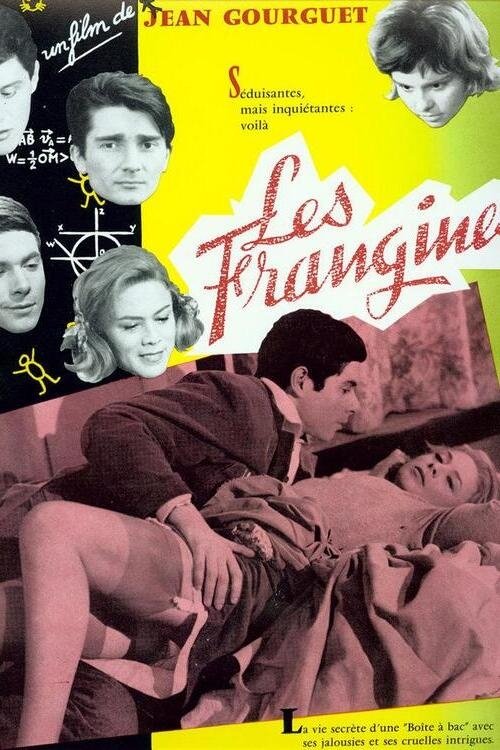
Les Frangines
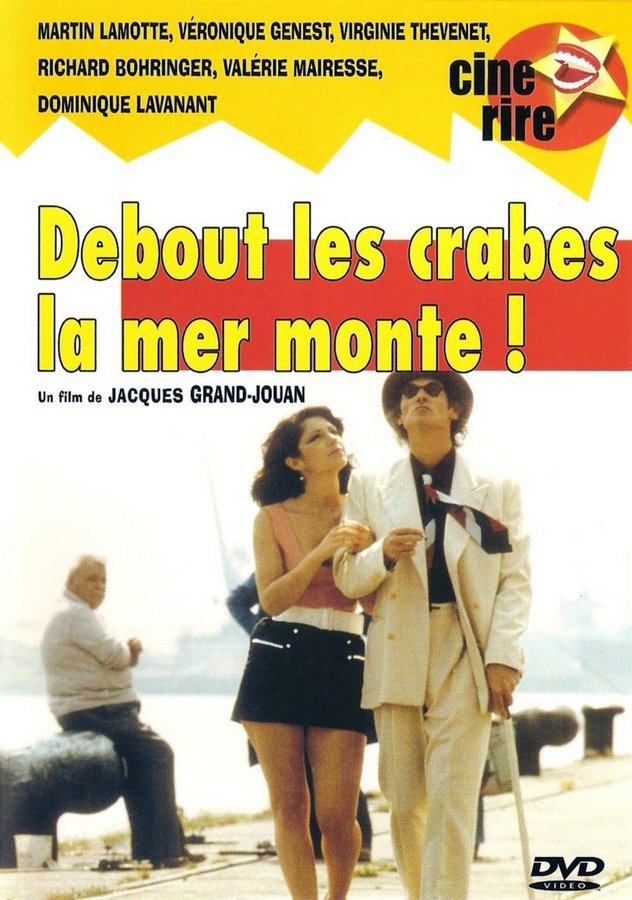
Stand Up Crabs, the Sea Is Rising!
(Polo)
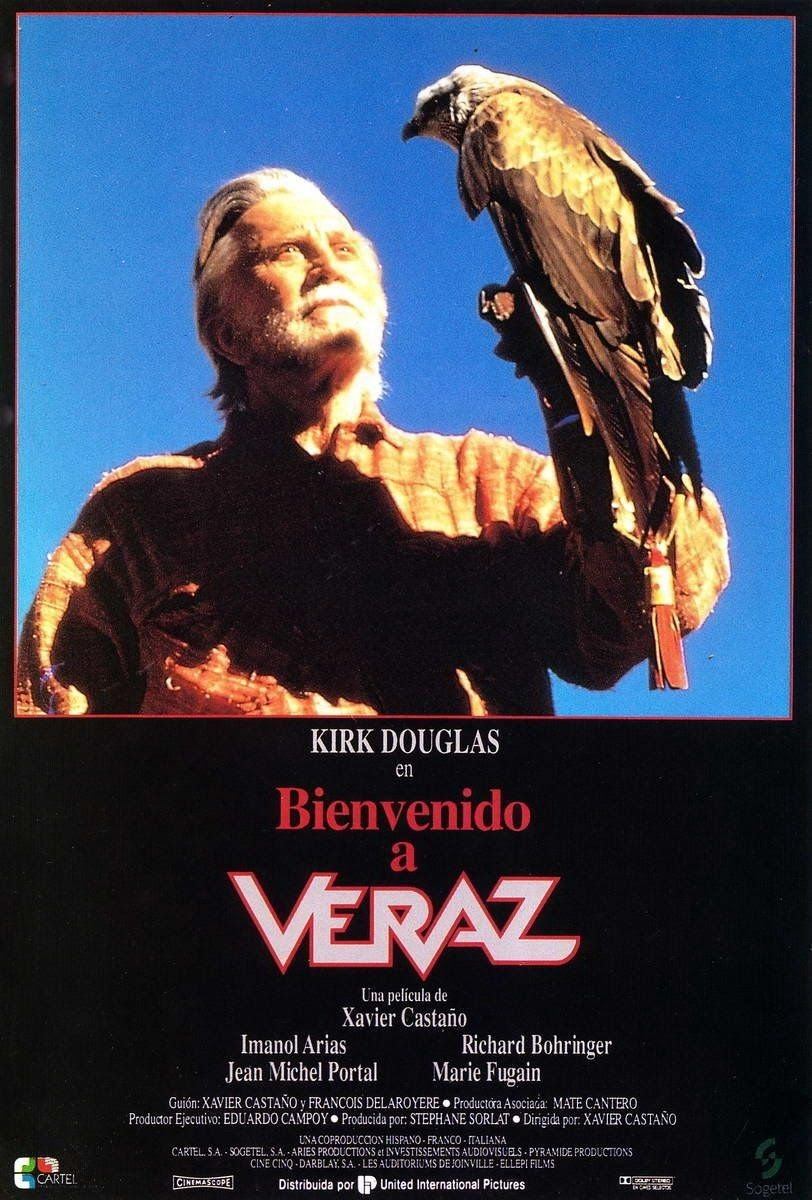
Welcome to Veraz
(Père de Theo)

Ada in the Jungle
(Ergomir Pilic)
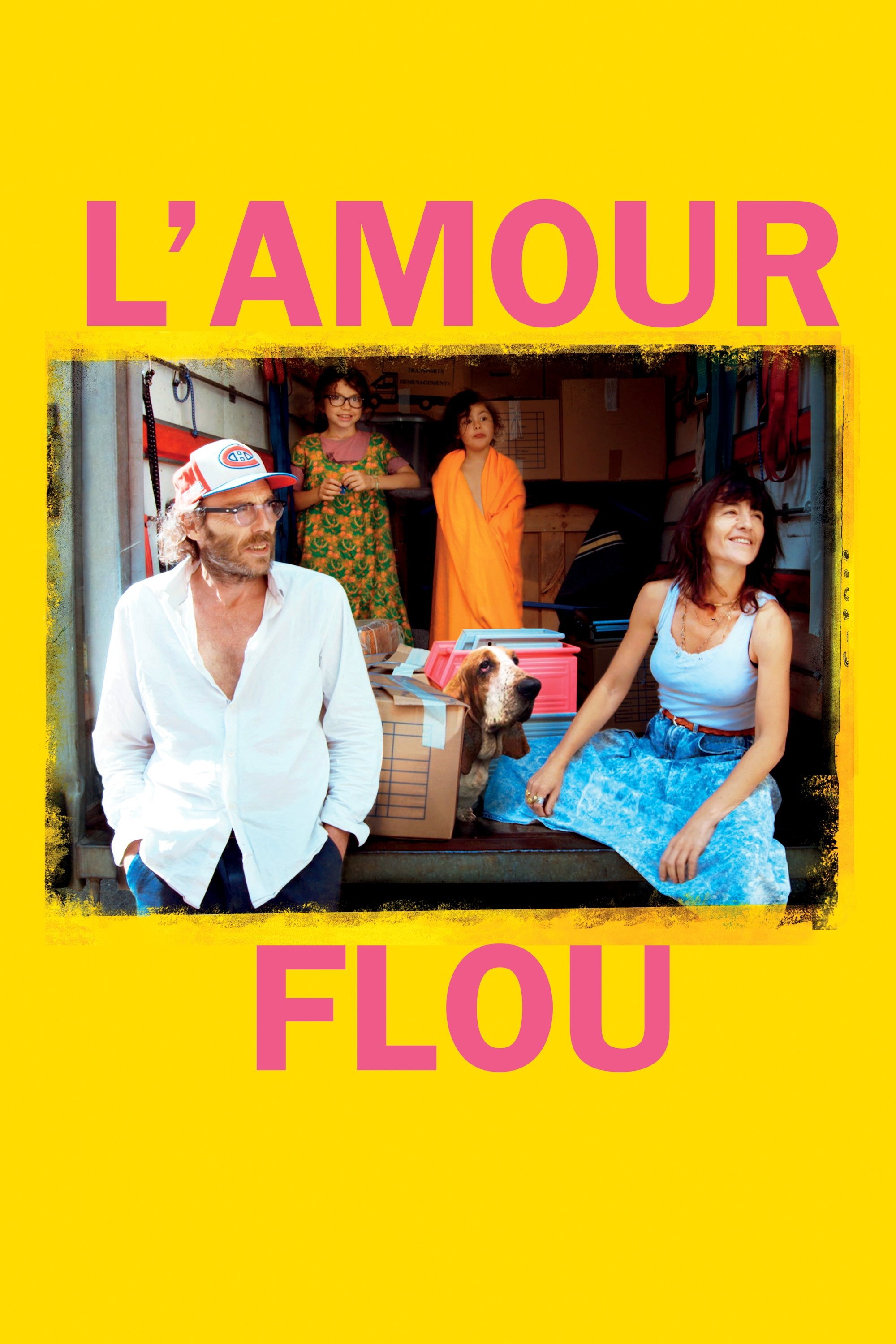
L'Amour flou
(Le père de Romane)
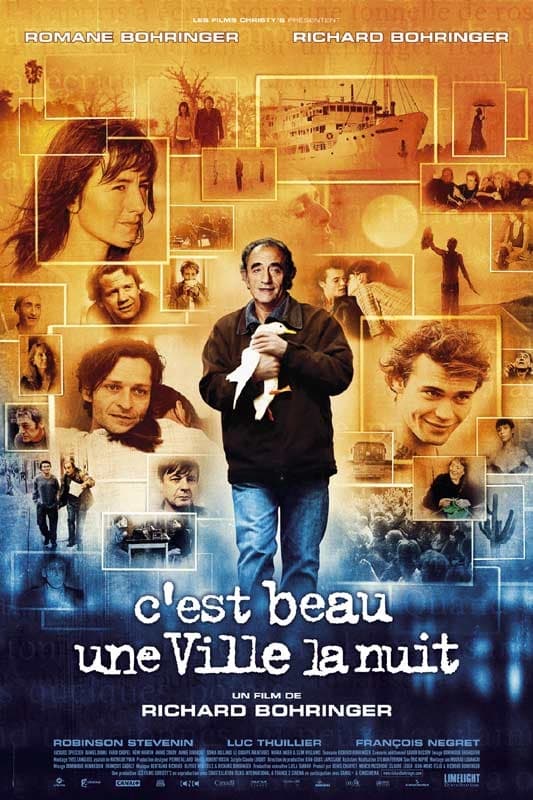
A City Is Beautiful at Night
(Richard)
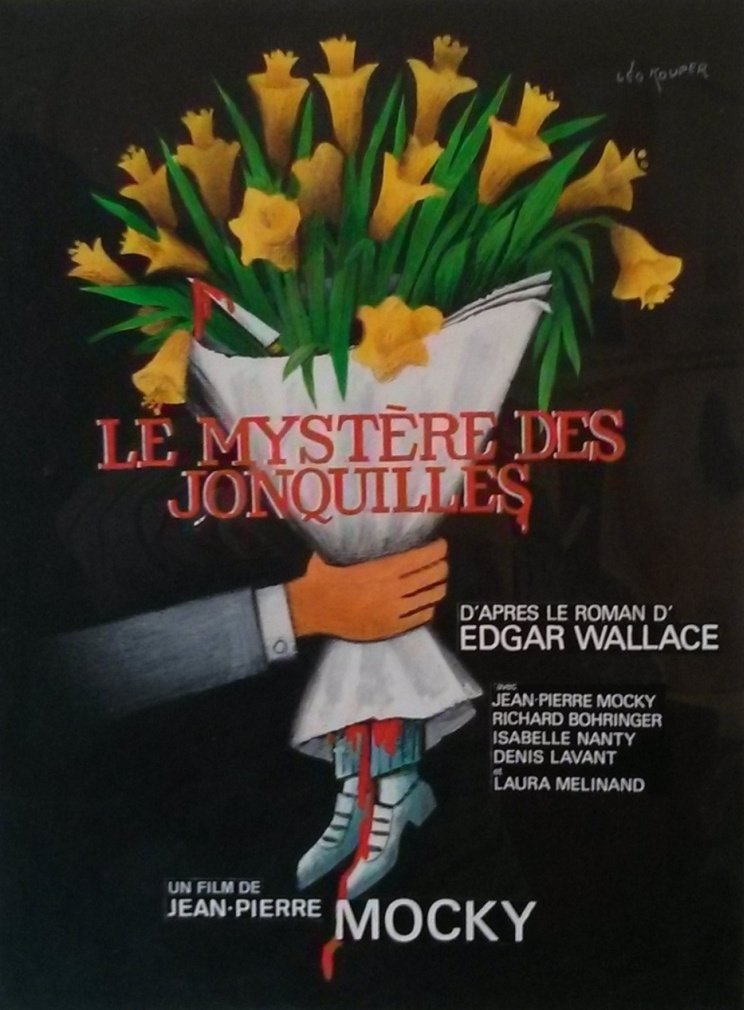
Le mystère des jonquilles
(Merlin)
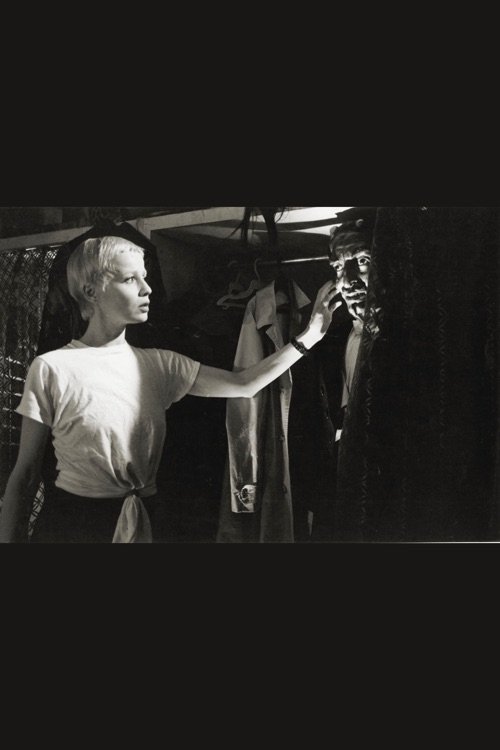
El diablo y la dama
(Él)
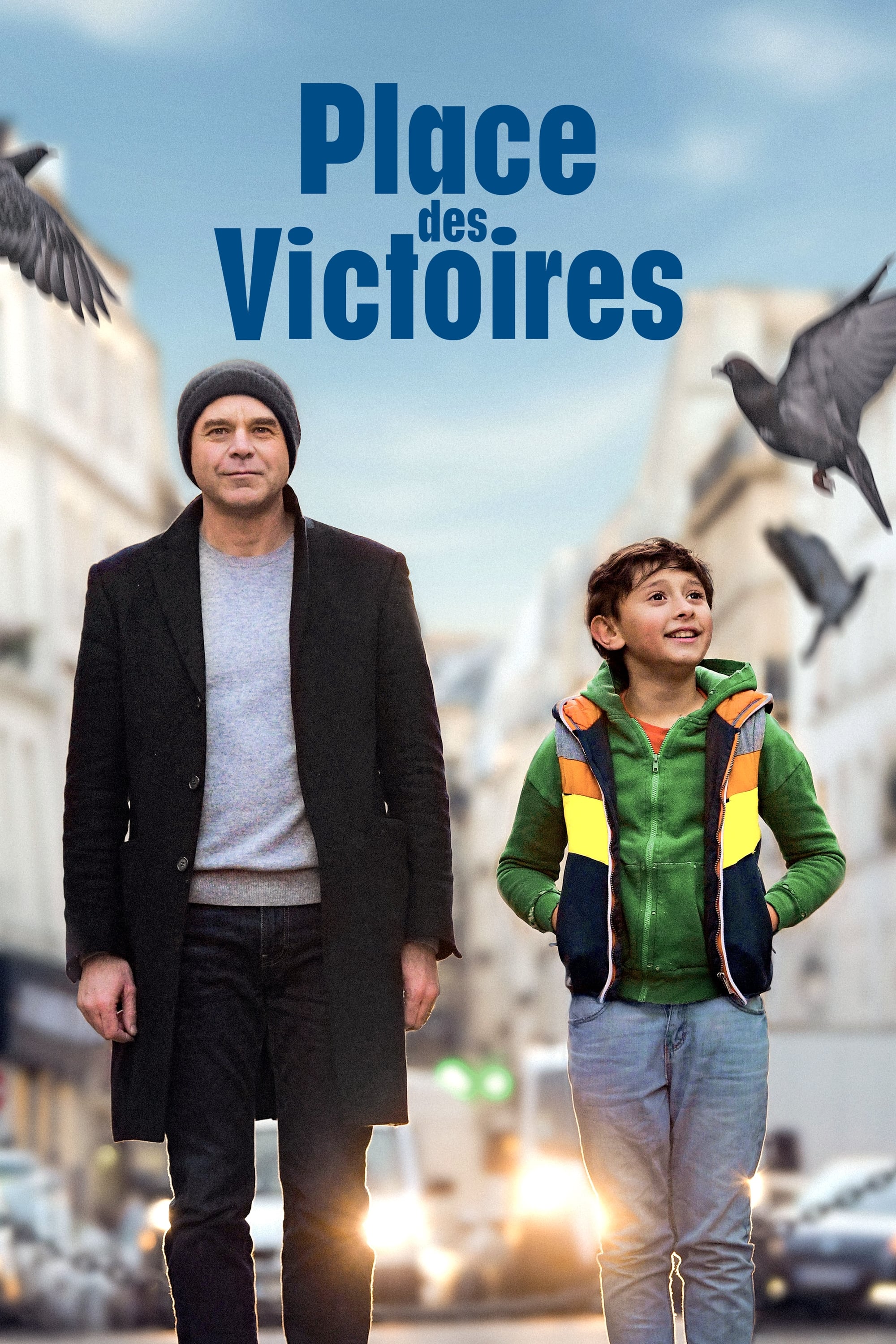
Victorious Square
(Le propriétaire de l'appartement)
Café Plongeoir
(Lifeguard)
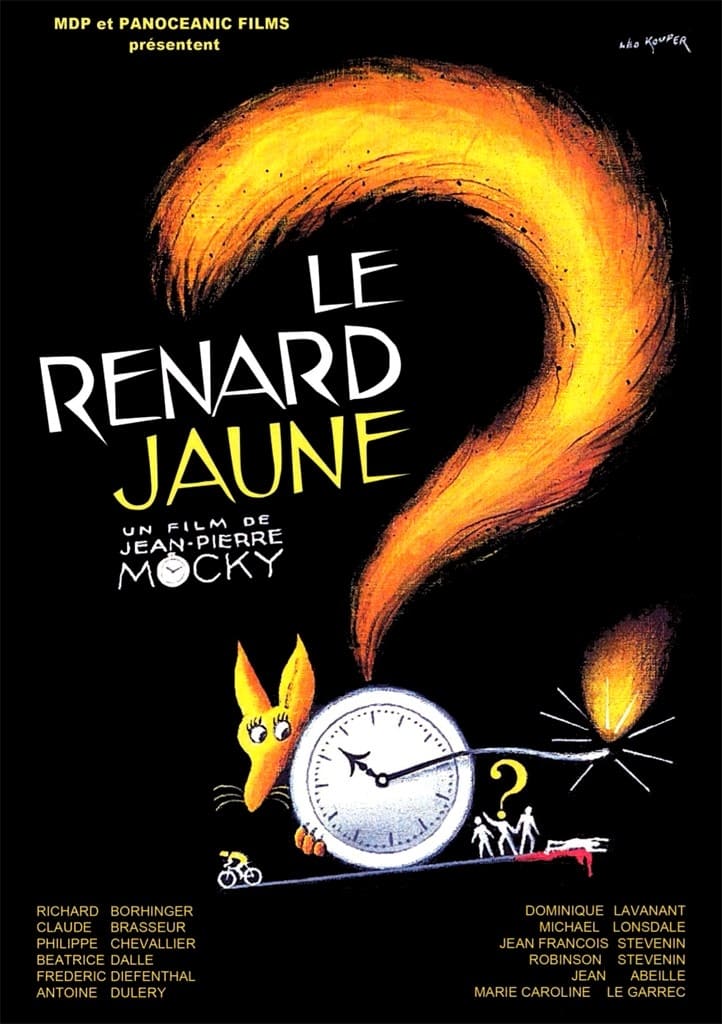
Le Renard jaune
(Charles Senac)
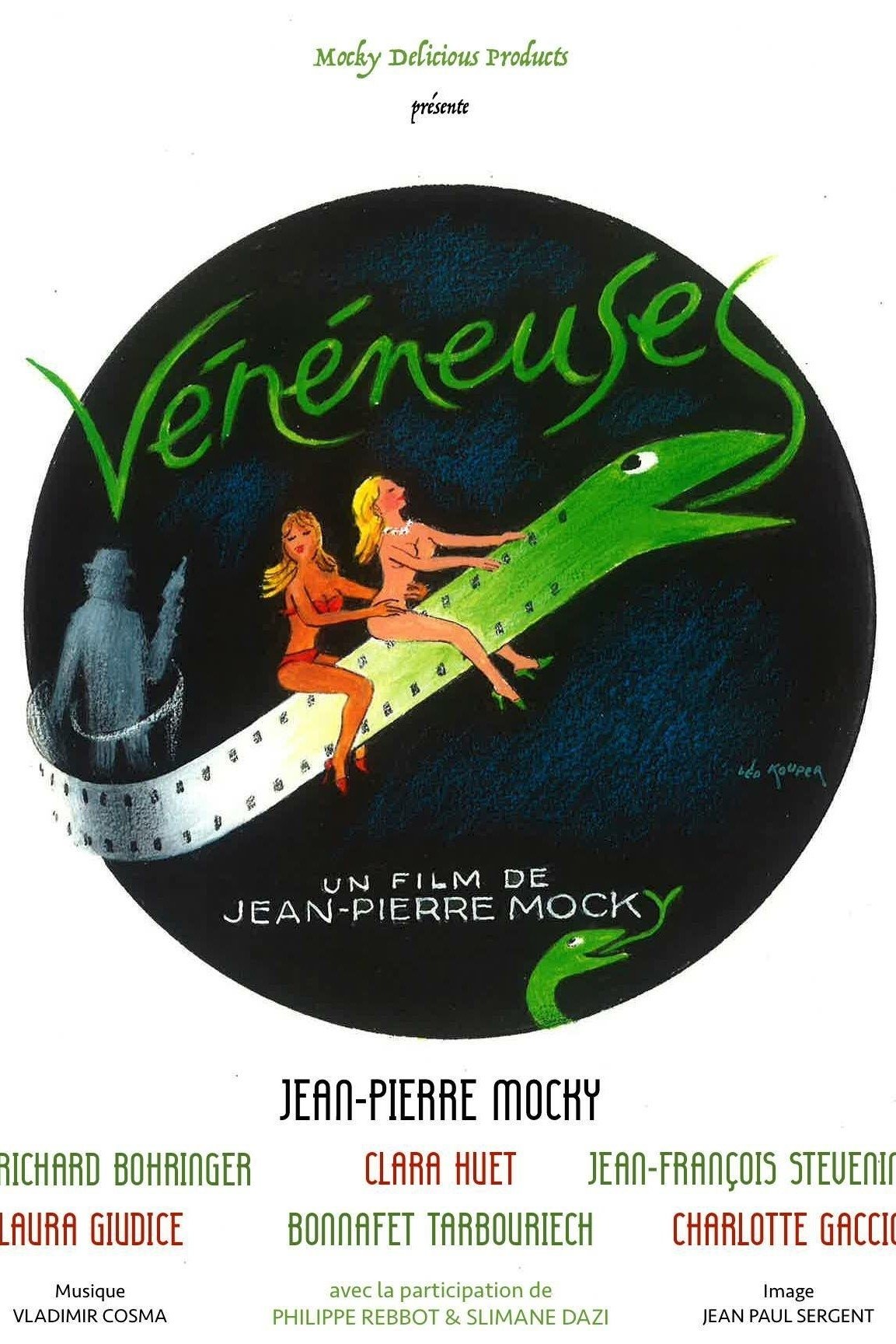
Vénéneuses
(Robert Bongrand)

Ubac
(Lucien Granville)
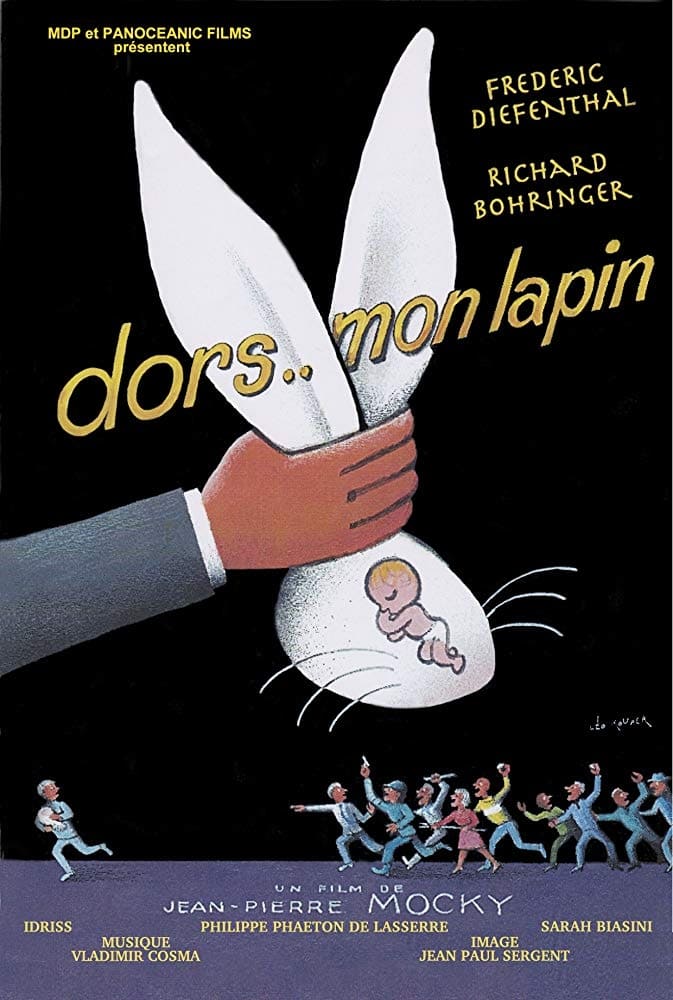
Dors mon lapin
(Commissaire Bolzer)
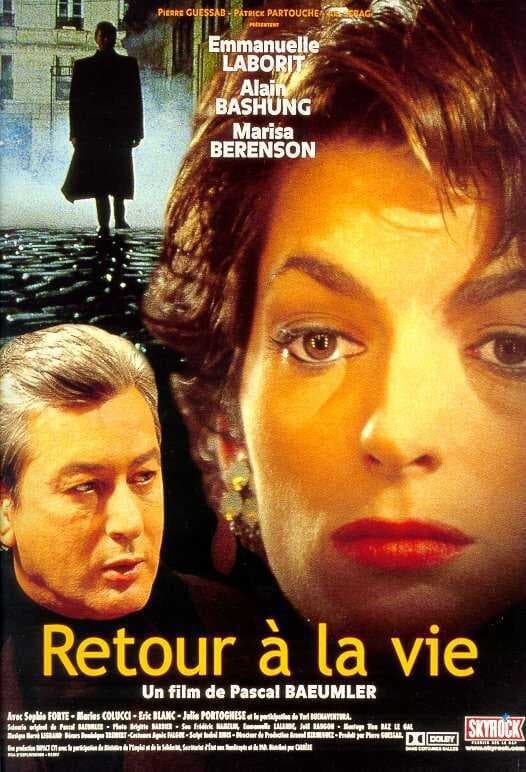
Retour à la vie
(Le coursier)

The Heart's Cry
(Paulo)
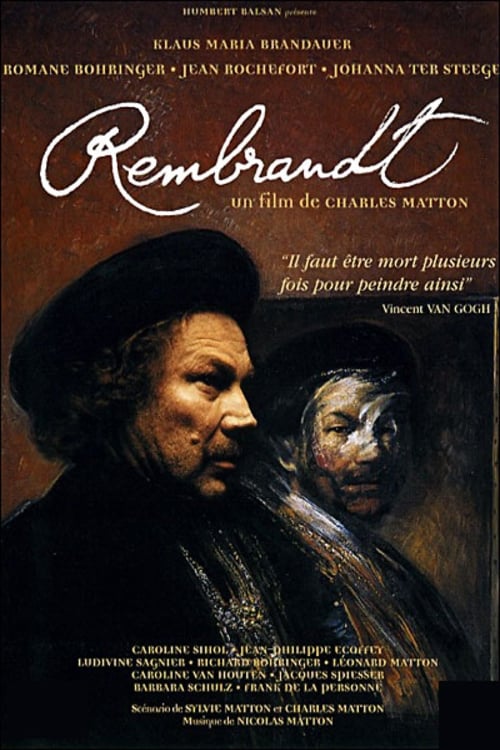
Rembrandt
(Le prêcheur)
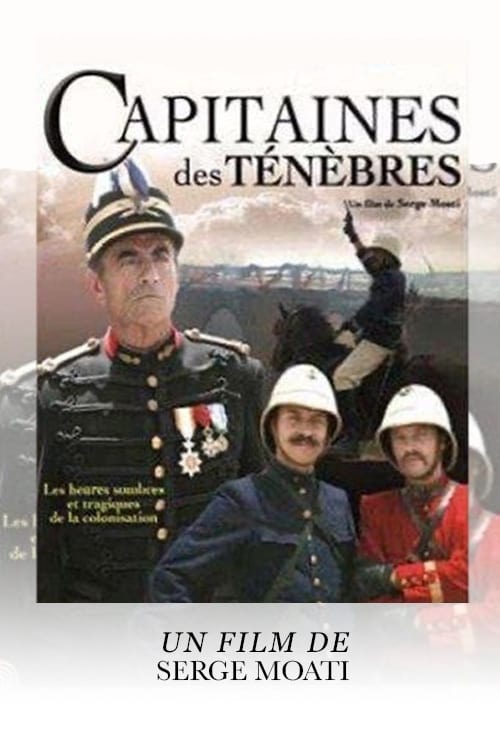
Capitaines des ténèbres
(Le colonel Klobb)
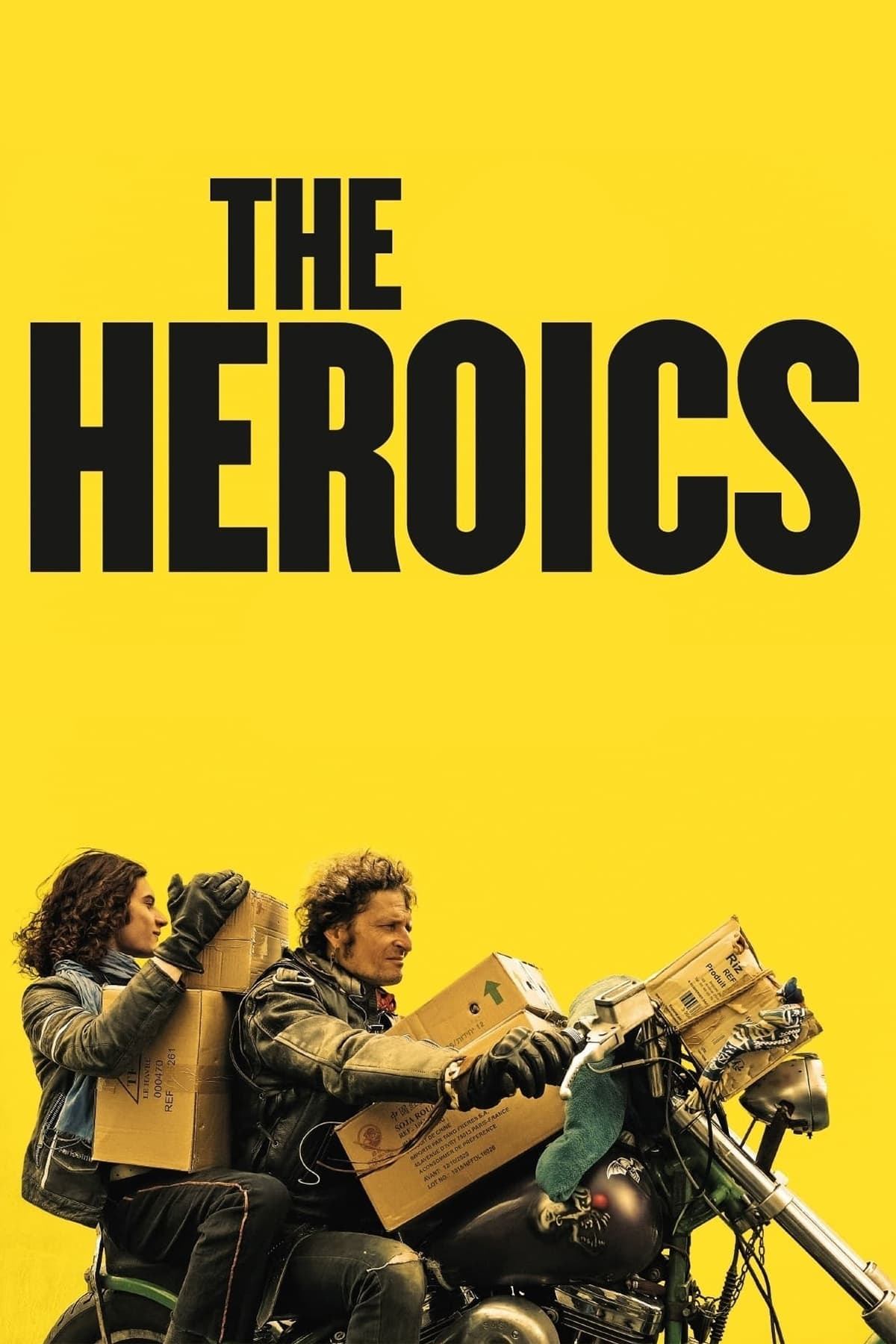
The Heroics
(Claude)
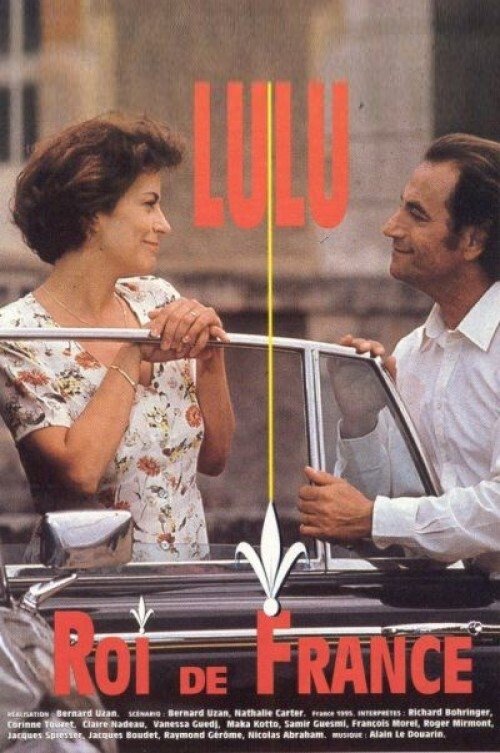
Lulu, roi de France
(Lulu Hastier)
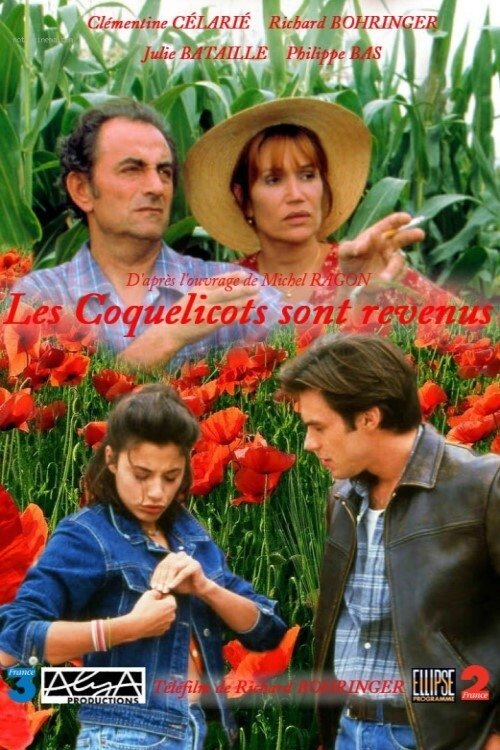
Les coquelicots sont revenus
(Pierre)
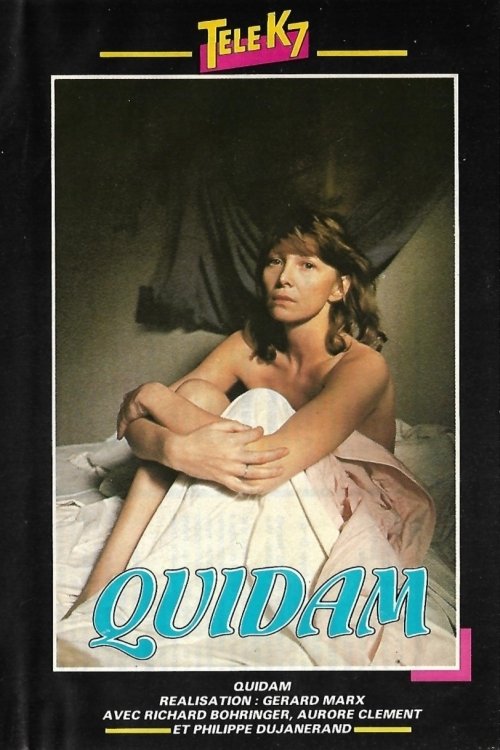
Quidam
(Antoine Rimbaud)
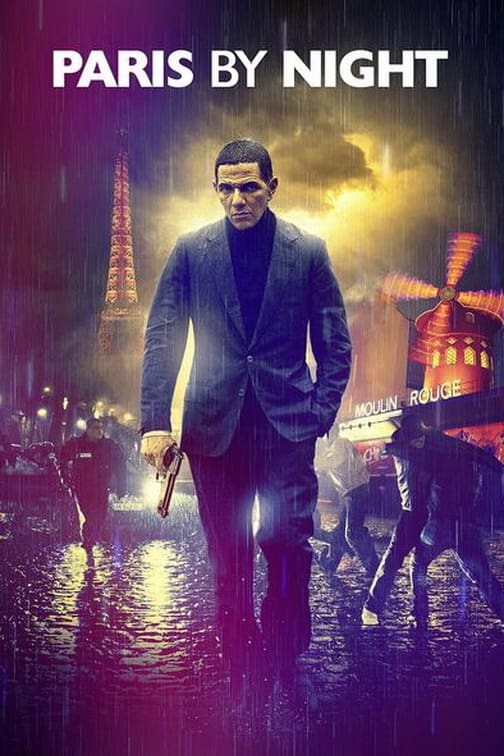
Paris by Night
(Marco Lindner)
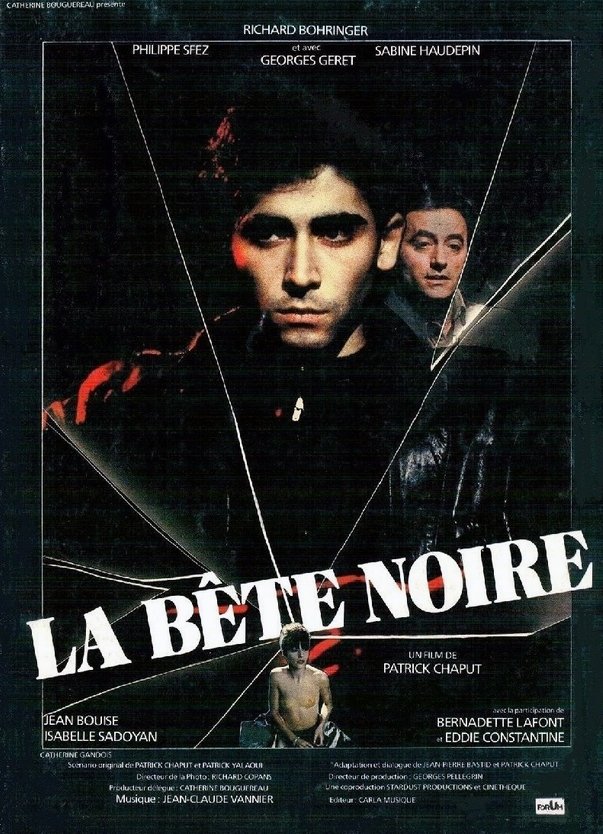
La Bête noire
(Yves Boissieu)
Christmas Blues
(Self)
Telle mère, telle fille
(Jean Corti)

Putain de lune

Elephant Tales
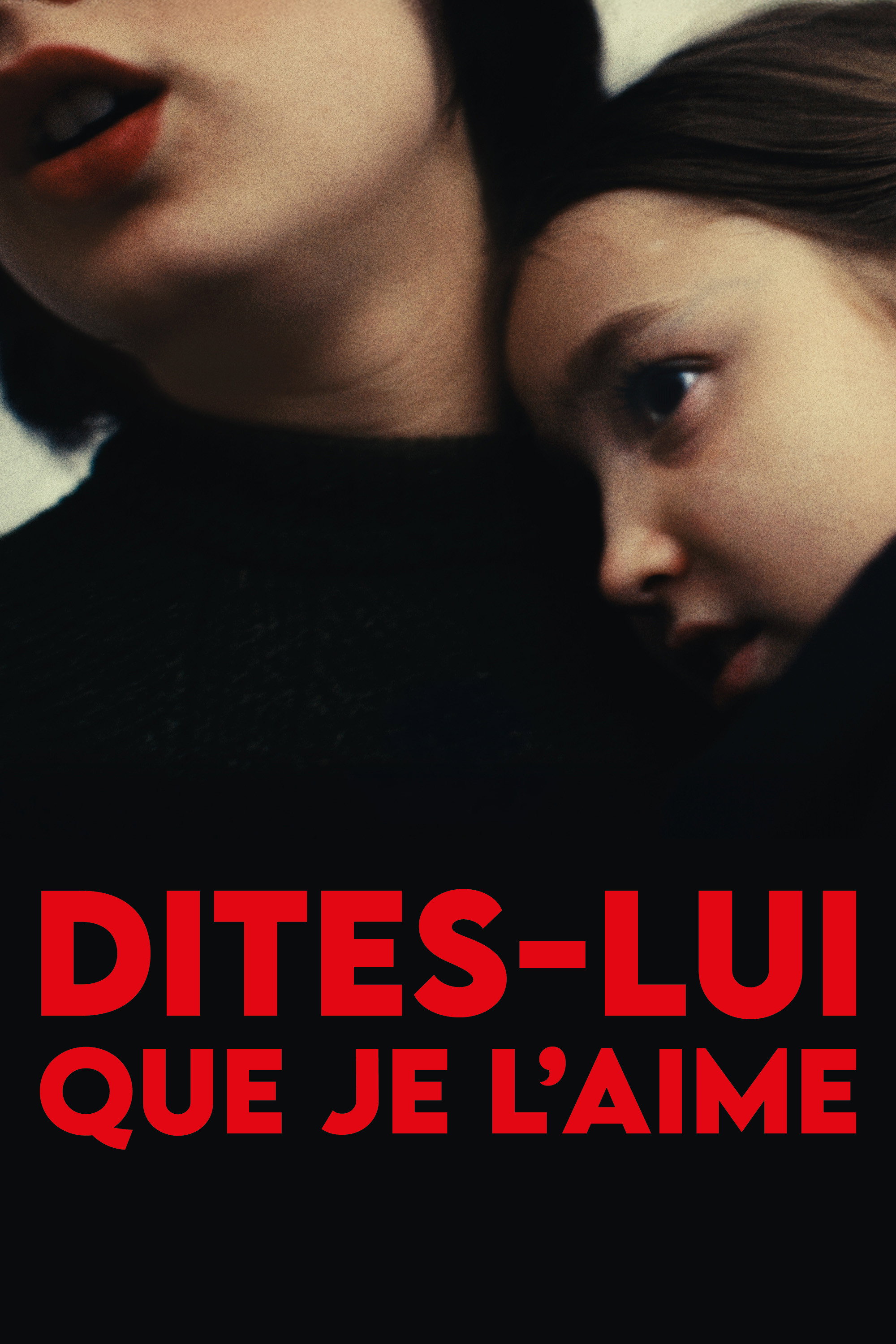
Tell Her That I Love Her
(Richard)
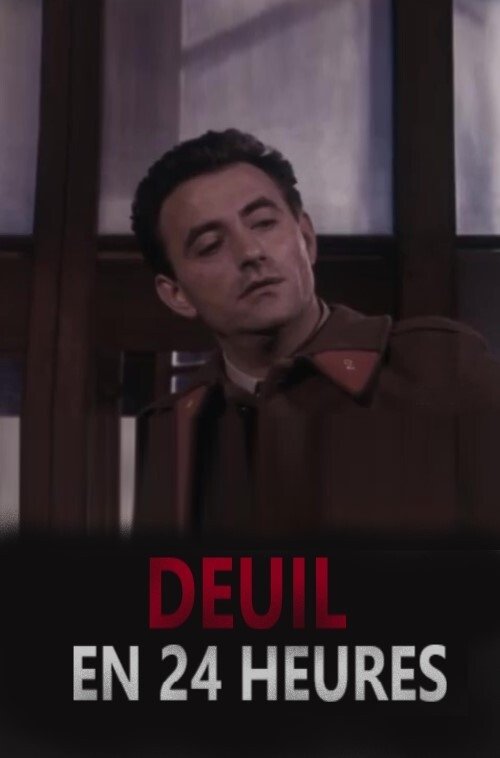
Deuil en 24 heures
(Pierre Caillol)
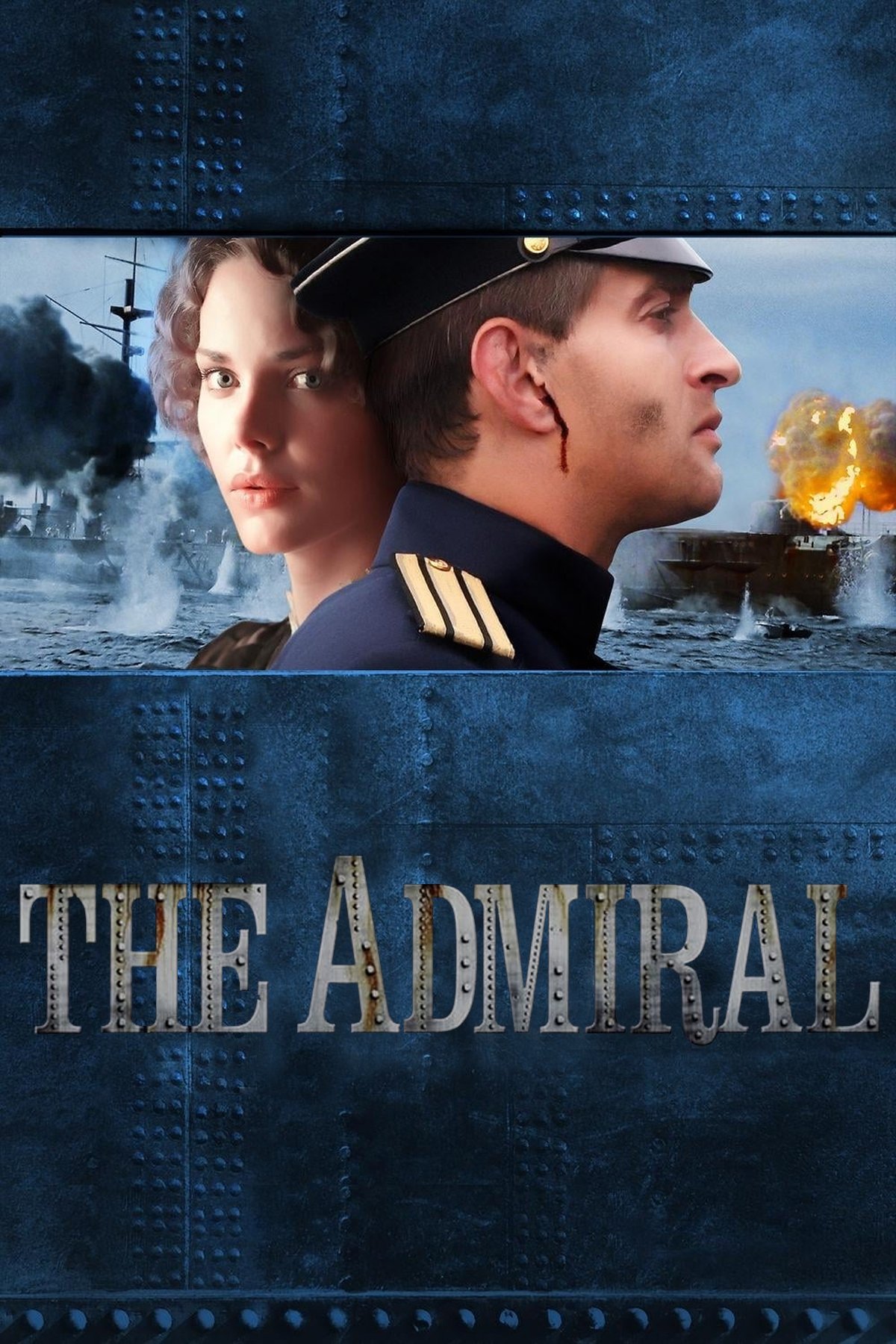
Admiral
(генерал Жаннен)
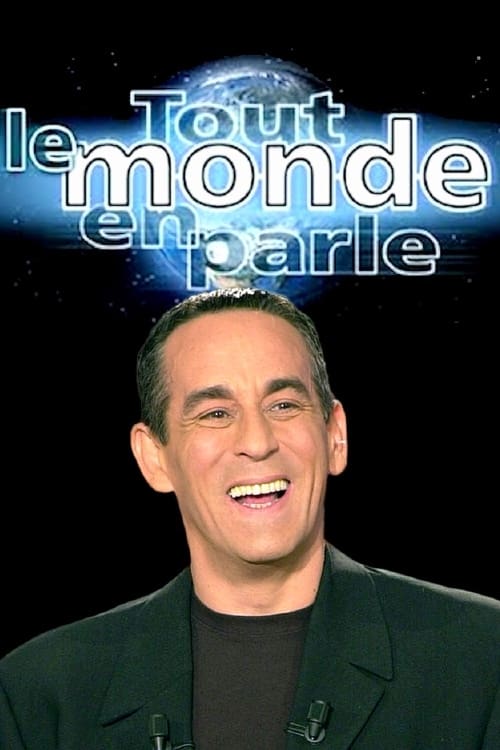
Tout le monde en parle
(Self)
Nulle part ailleurs
(Self)

L'Amour flou
(Richard)
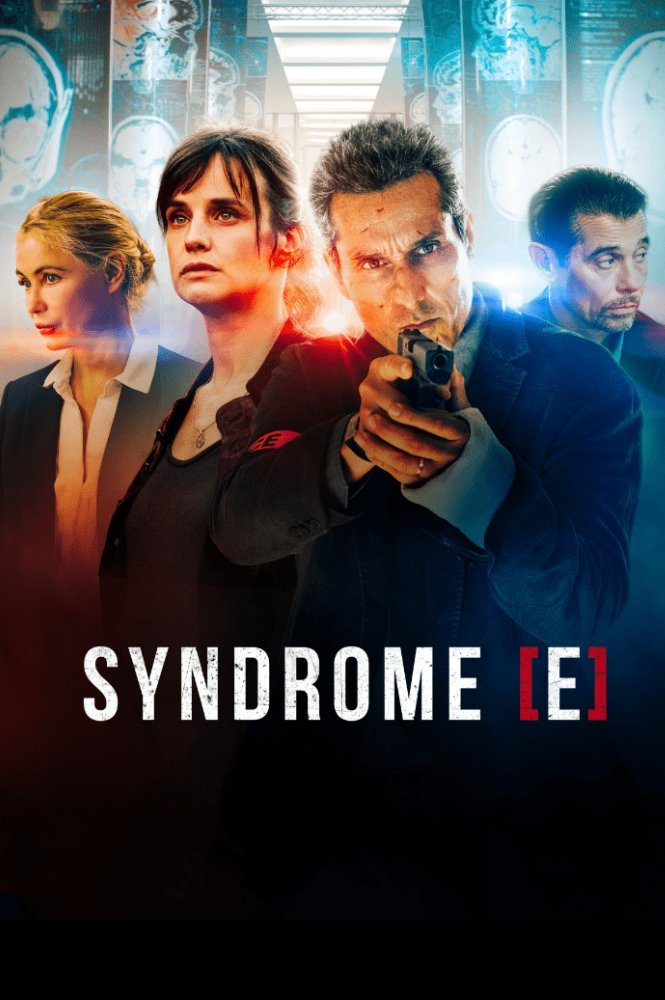
Syndrome [E]
(Dr. François Moreau)
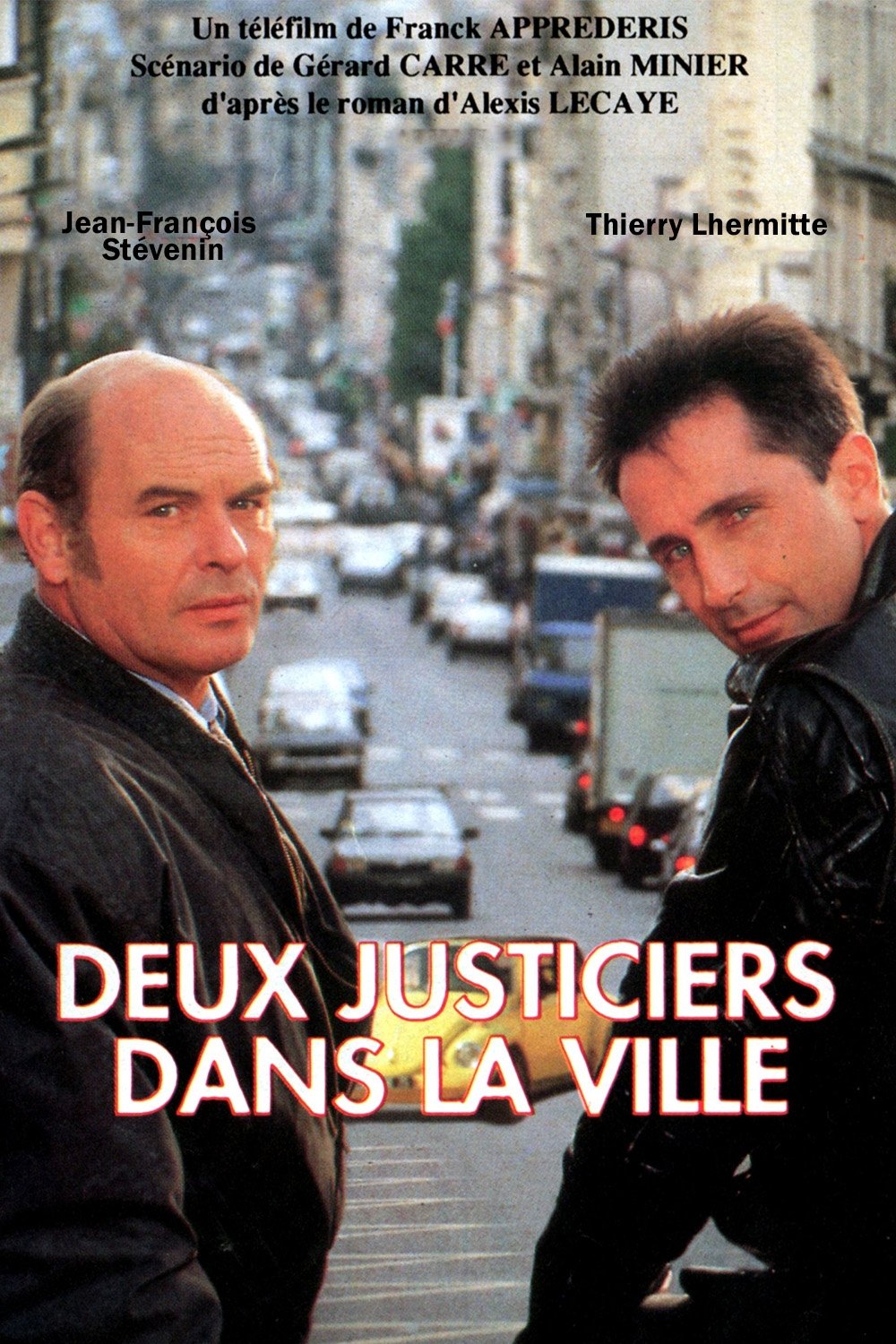
Deux justiciers dans la ville
(Mathieu)
Spécial cinéma
(Self)
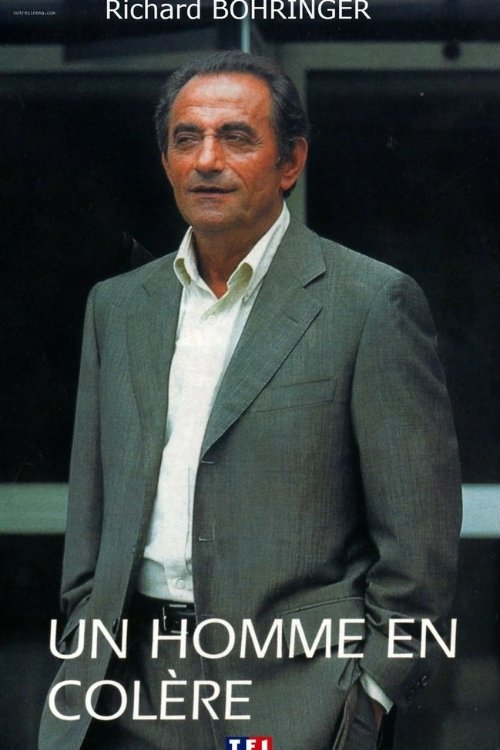
Un homme en colère
(Paul Brissac)
Les Jupons de la révolution
(Jean-Paul Marat)
Opernball
(Michel Reboisson)
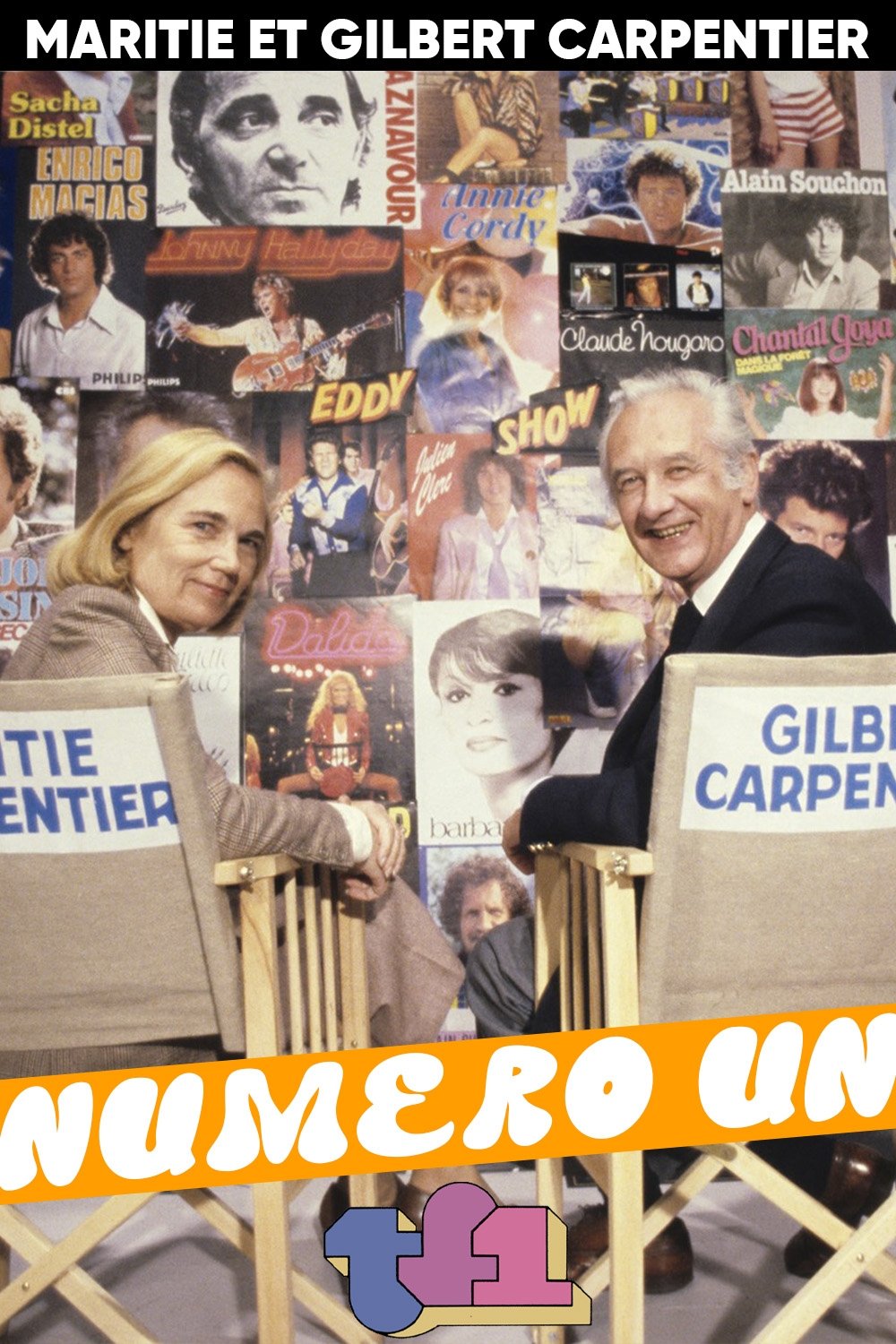
Numéro un
(Self)
Champs-Elysées
(Self)
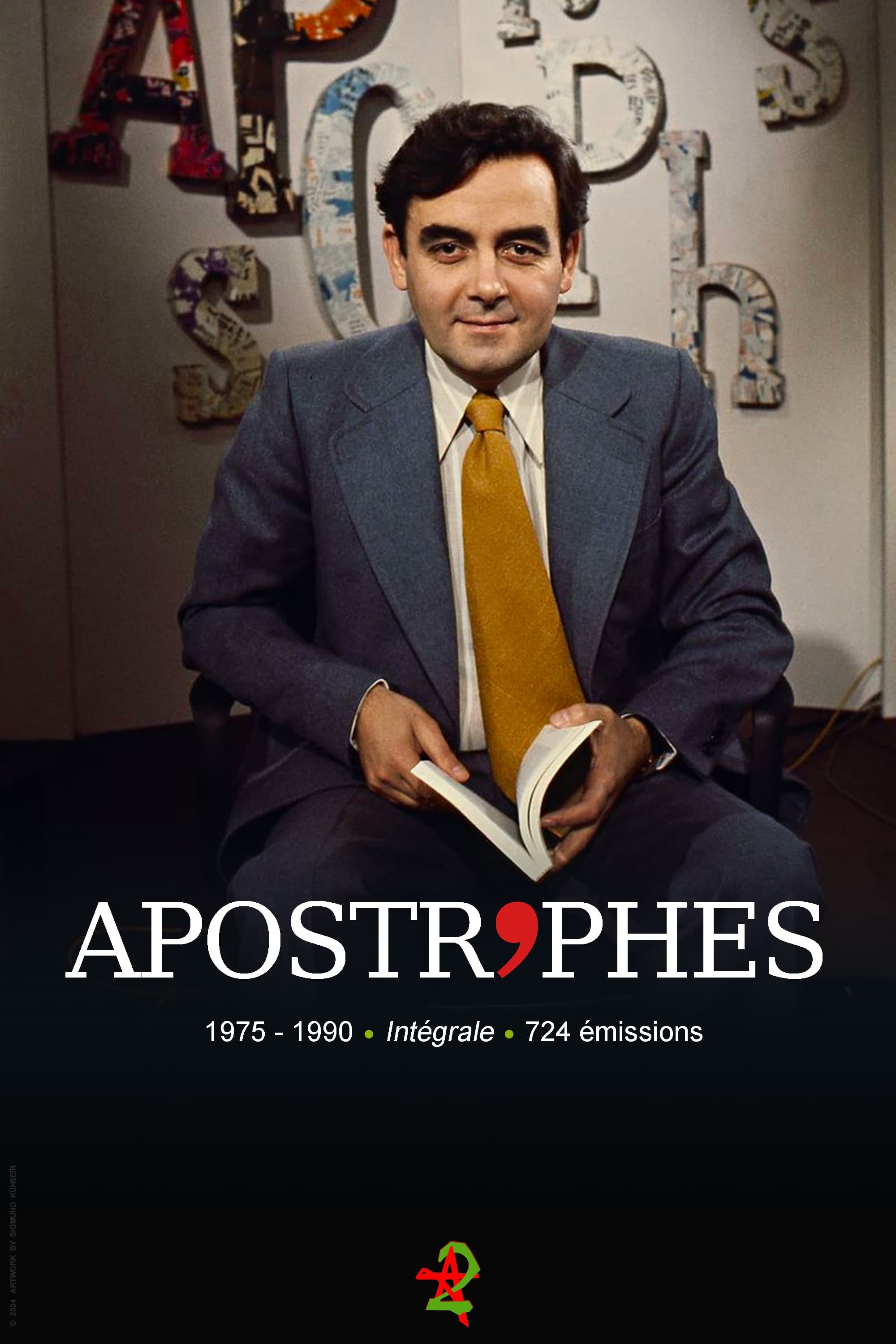
Apostrophes
(Self)
Les Nuls, l'émission
(Self - Guest)
Le monde est à vous
(Self)

Téléthon
(Self)
Vivement dimanche
(Self)

Sacrée soirée
(Self)
On n'est pas couché
(Self - Guest)
Cérémonie des César
(Self - Host)

They Were Ten
(Professeur Villemont)