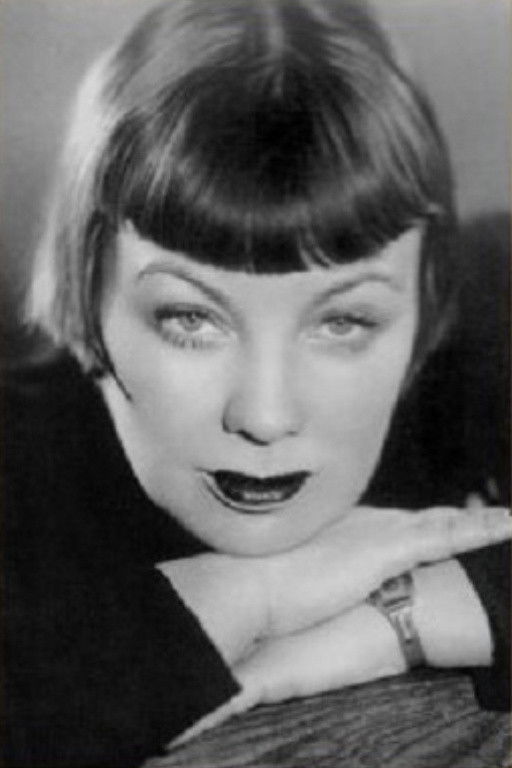
Natalia Danilova
Natalia Danilova was born in Moscow the 5th of December, 1905. When she turned five, her family moved to St. Petersburg. It was there, in 1917, that Natalia enrolled at the School of Choreography, becoming a pupil of Agrippina Vaganova, the "queen of variations" and an outstanding teacher of the Russian ballet school. While Natasha was studying, the elitist art of ballet had been falling out of favour. Vaganova’s first graduating class was the class of 1924, which included Natalia Danilova. From 1924–1934, Danilova danced at the Kirov State Academic Opera and Ballet Theatre in Leningrad (formerly, the Mariinsky). The young ballerina’s talent contributed to her rapid career progression. In 1935, she followed her husband, Roman Yakovlevich Galebsky, to Orenburg. She has been a performer since 1936 and served as a choreographer at the Kuibyshev Opera and Ballet Theatre (Samara) from 1939 to 1942. In Samara, Danilova opened a children’s ballet studio. By January 1939, she'd become a ballet master. The first children’s ballet, ‘The Toy Shop’, was staged by the ballet studio on November 8, 1937. This was followed by Glinka’s opera ‘Ruslan & Lyudmila’. Tchaikovsky’s ‘The Nutcracker’ was staged on January 7, 1939. Volzhsky Komsomolets describes the event: "Both adults and children watch The Nutcracker with equal fascination. Girls in snow-white, voluminous tutus, in beautiful dresses with crinolines, and smaller children in bright costumes—they all not only dance well, but also have a superb feel for the music, moving lightly and gracefully across the stage, performing without words. They do not passively await their entrance or the start of the dance, but seem to live on stage, and even in static poses they make up for the lack of movement with expressive facial expressions." By the end of the 1938–1939 academic year alone, the ballet studio had grown to 250 students. When the Great Patriotic War began, the Palace of Pioneers was closed, and the building was handed over to the British Embassy. In the summer of 1944, Danilova was appointed principal choreographer of the Kuibyshev Opera and Ballet Theatre. However, this did not prevent her from continuing to work at the Palace of Pioneers. In the 1950s & 1960s, Danilova was responsible for staging dances for one of the most famous ensembles at the Palace of Pioneers – the Song and Dance ensemble, which comprised a choir, an orchestra, a folk dance troupe, a dance troupe and a soloists’ group. She balanced her work at the Palace with productions at the Academic Opera and Ballet Theatre. On May 4, 1966, the Song and Dance Ensemble celebrated its 10th anniversary. A concert was organised to mark the occasion, featuring several of Danilova’s productions, including ‘The Pioneer Dance’, ‘The Struggle for the Banner’, etc. Danilova was a person of the highest cultural refinement; she had a superb knowledge of painting, played the piano beautifully, and spoke French flawlessly. She never missed a single symphony concert. When there were concerts by Richter, Rostropovich, Gilels, or Zara Dolukhanova, Danilova would cancel rehearsals and say: "You must go and listen and watch! All of this helps you grow."