Émilie Busquant
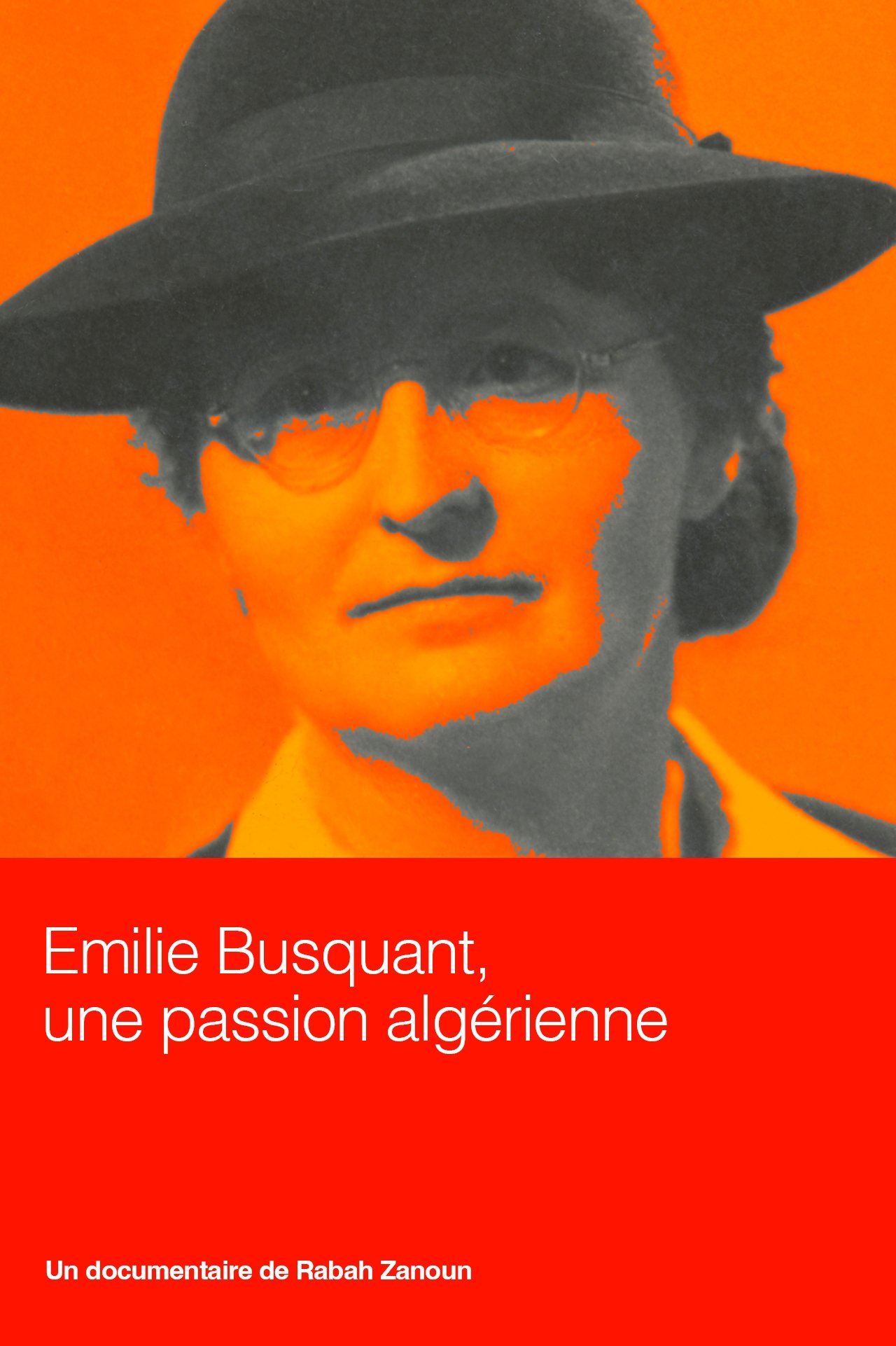
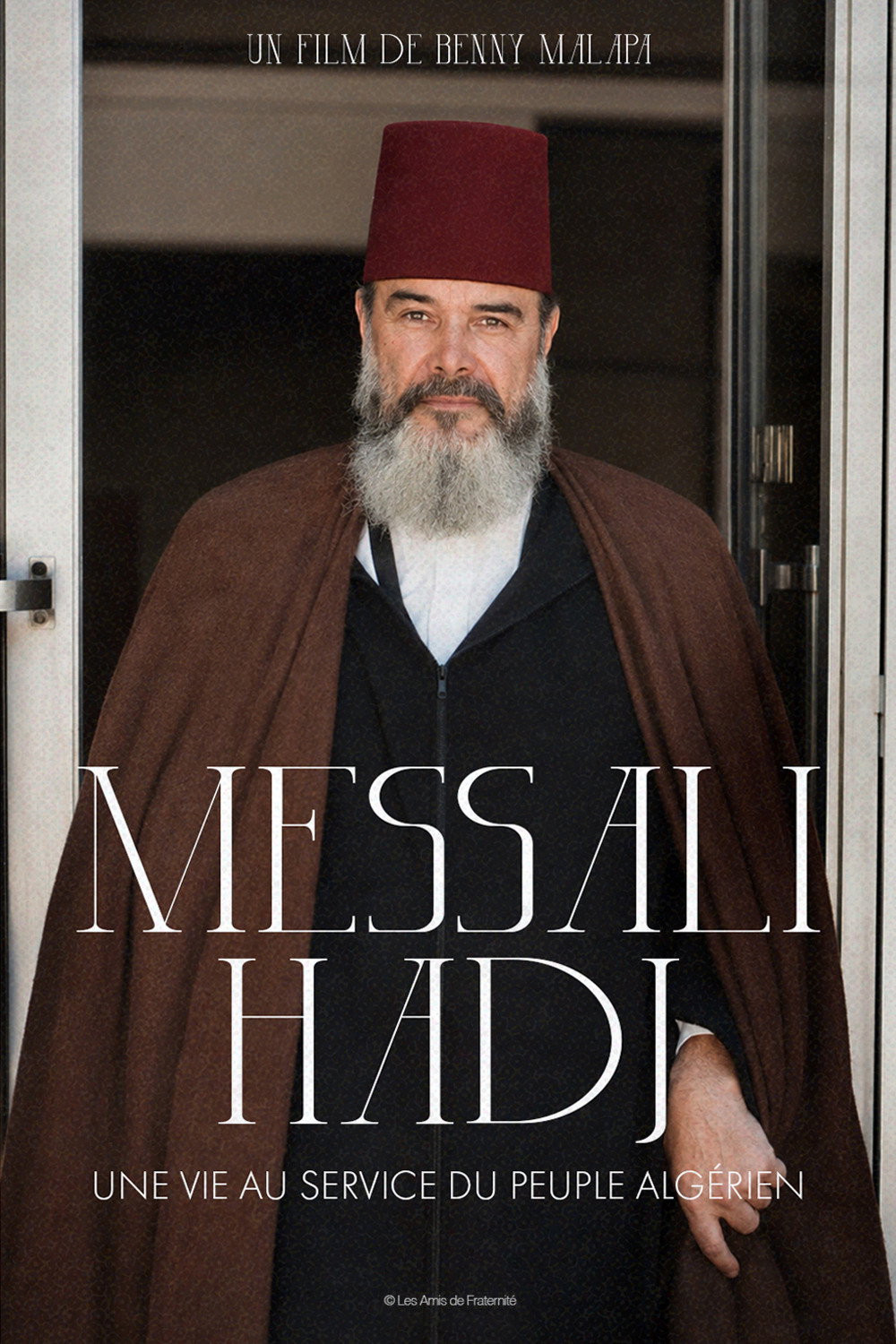
Émilie Busquant (Arabic: إميلي بوسكان), born March 3, 1901, in Neuves-Maisons, Lorraine, and died October 2, 1953, in Algiers, was a French-Algerian anarcho-syndicalist, feminist, and anti-colonial activist. Born into a working-class family of nine children, she grew up in an environment steeped in social struggles: her father, a steelworker and union member, introduced her to libertarian ideas and political activism at a very young age. After moving to Paris in the early 1920s, she worked in a department store where she met Messali Hadj, the future founder of modern Algerian nationalism. Their meeting marked the beginning of a deeply committed love and activist relationship. Émilie Busquant shared her life with Messali Hadj without formal marriage for several years, in a context where cohabitation was common among the working class. The couple had two children, Ali and Djanina. Deeply involved in her partner's political struggle, she actively participated in structuring the first Algerian independence movements, notably the North African Star and later the Algerian People's Party. During Messali Hadj's numerous arrests and periods of exile, she often acted as his political liaison, writing letters, organizing support, and speaking out publicly to denounce French colonialism. A committed feminist, Émilie Busquant championed a universalist vision of freedom and social justice. She campaigned for the emancipation of colonized peoples, as well as for the rights of workers and women. Her commitment transcended national borders: she saw the Algerian struggle as a broader human and social fight. She is also known for having designed, according to several historians and family accounts, the first Algerian flag in the 1930s, based on her husband Messali Hadj's idea; this flag later became the national emblem of independent Algeria. His death in 1953, provoked a strong emotional response in Algiers, where a large procession accompanied his coffin draped in the Algerian flag. Messali Hadj, then under surveillance by the French authorities, was unable to freely attend the funeral. Today, he stands as a unique figure of solidarity between peoples, a symbol of political commitment founded on justice, equality, and anti-colonialism.